
























A sharp pickup in American business activity has sparked a widespread rally in the US Dollar, dragging the Japanese Yen into deep retreat across international foreign exchange markets. Growing expectations that the Federal Reserve will raise borrowing costs again at its upcoming October policy gathering have triggered a fresh run-up in Treasury yields to multi-year highs. Driven by this aggressive widening in yield differentials, the USD/JPY currency pair is marching toward the closely watched 160 threshold, thrusting the prospect of official currency market intervention by Japanese authorities firmly back into focus.
Rising Rate Hike Odds and a Rebounding Dollar Index
The release of stronger US PMI data immediately shifted expectations across interest rate derivatives. According to readings from the CME FedWatch Tool, traders are now pricing in a 73% probability of another rate increase at the October Federal Reserve meeting, marking a sharp jump from the roughly 53% likelihood observed prior to the economic release. This repricing gave the Greenback consistent upside momentum against major trading partners.
The US Dollar Index (DXY), which gauges the currency against a basket of six major peers, climbed to trade near 101.00, touching its highest mark since July 30. Persistent inflation concerns paired with the outlook for tighter financial conditions sent sovereign bond yields climbing across the curve. The benchmark 10-year Treasury yield rose to roughly 5.13%, reaching its highest point since 2007. Simultaneously, the policy-sensitive 2-year yield climbed to 4.94%, recording its highest level since 2024.
Headwinds Mounting on the Japanese Yen and BoJ Stance
For the Japanese Yen, projections of elevated borrowing costs in the United States ensure that the wide interest rate gap between both nations will remain entrenched. Elevated crude oil prices have generated an additional macroeconomic drag, given Japan's profound dependence on imported energy supplies to sustain its domestic needs. These persistent fundamental headwinds have largely negated any support from domestic policy adjustments.
The Bank of Japan raised its short-term interest rate target to 1.25% from 1.00% last week in a 7-2 vote. While this decision marked another progressive step in the normalisation of Japanese monetary policy, it aligned squarely with widespread market expectations that had been priced in for weeks. The dovish reception of that move continues to undermine the Yen's yield appeal. During the Asian trading session, USD/JPY hovered around the mid-157.00s, holding near the two-week highs recorded last Friday. Although persistent fears of direct official intervention have capped runaway upside, the currency pair remains firmly supported by the Fed's hawkish stance. Among major global currencies today, the Japanese Yen registered its strongest performance specifically against the Australian Dollar.
Broader Market Fallout Across Gold and the Australian Dollar
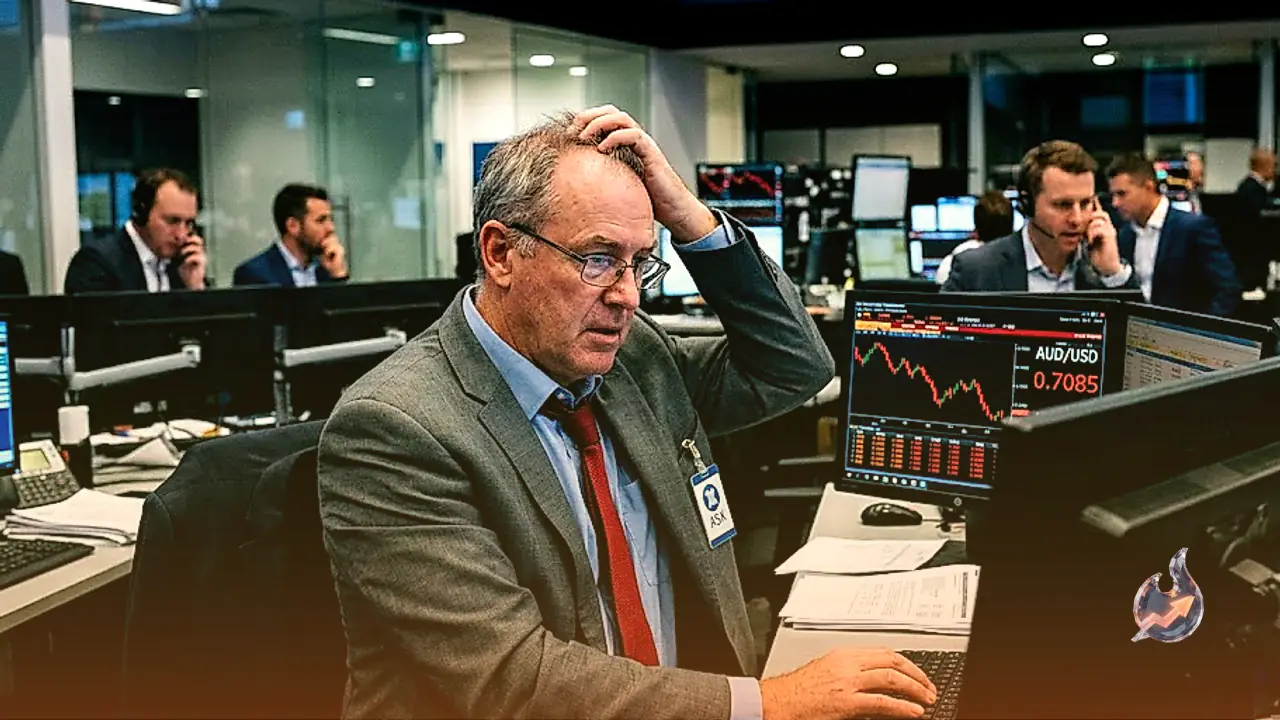
The broader fallout from a resurgent Greenback rippled across other major currency pairs and commodities. AUD/USD came under renewed selling interest during Wednesday's Asian trading, testing the 0.7100 mark. Australia's flash PMI figures showed that manufacturing output slipped into contraction, while service sector activity expanded only sluggishly for a second consecutive month. Traders navigating the pair also contended with broader caution ahead of the high-stakes Trump-Xi summit scheduled for Thursday, while largely brushing aside the conclusion of indirect talks between the United States and Iran.
Meanwhile, precious metals suffered sharp reversals as US yields and the Dollar strengthened in tandem. Gold rapidly surrendered two consecutive sessions of daily gains, facing intensified downward momentum midweek. The metal breached below the $4,300 per troy ounce threshold to trade at weekly lows. As bond markets price in protracted tightening, currency traders continue to evaluate the threshold at which Tokyo may step in to stem further Yen depreciation.