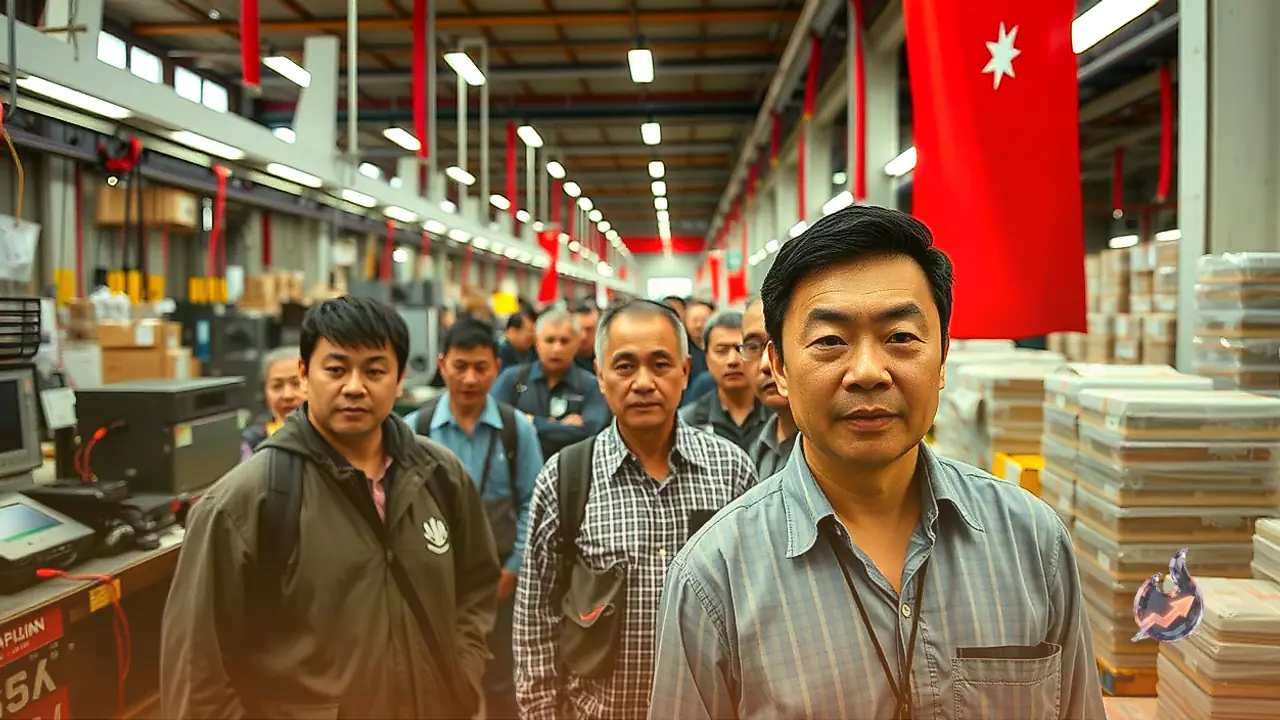

























Robust international appetite for artificial intelligence hardware drove Taiwan's trade balance to unprecedented heights in September, generating a record monthly surplus of USD 23.6 billion. The performance was anchored by an impressive 60.9% year-on-year surge in outbound shipments. While the strong trade performance provided fundamental backing, the Taiwan Dollar faced moderate downward pressure against the US Dollar, though local monetary authorities have moved to cap currency losses through direct market interventions.
Surging Trade Surplus Beats Expectations on AI Boom
The September trade surplus of USD 23.6 billion significantly outperformed broader market projections. Consensus estimates compiled by market observers had anticipated a surplus of roughly USD 19.0 billion, following a print of USD 22.3 billion in August. The blowout figure pushed Taiwan's cumulative surplus for the first nine months of the year to USD 160.6 billion, representing an expansion of 61.9% compared to the identical period a year earlier.
Crucially, the USD 160.6 billion accumulated from January through September has already surpassed the entire full-year 2025 trade surplus of USD 157.1 billion. The rapid trade expansion underscores how sustained capital expenditures on artificial intelligence infrastructure worldwide continue to channel substantial revenue into Taiwan's export-reliant technology sector.
Currency Dynamics and Central Bank Intervention
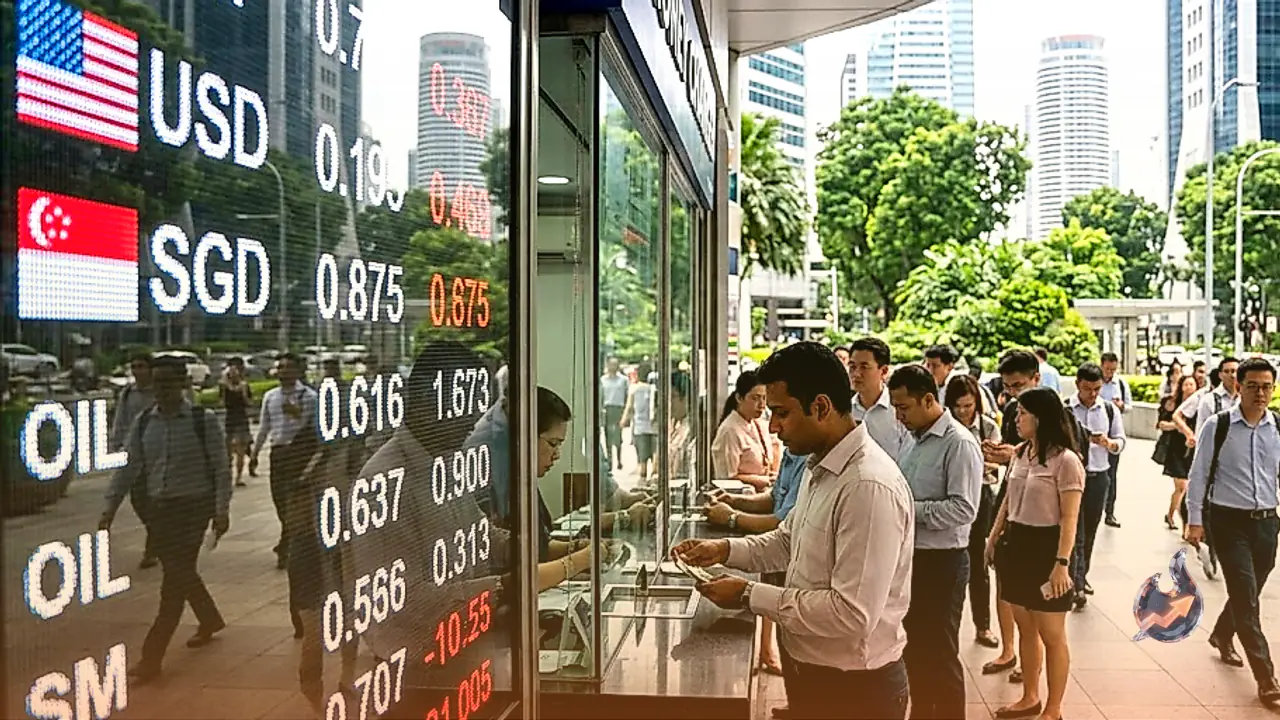
In foreign exchange trading, the USD/TWD currency pair advanced 0.3% to trade around 31.90. Over the past month, the cross has largely remained bound within a consolidation corridor spanning 31.65 to 31.95. Despite greenback resilience across international markets, analysts highlight that further upward moves in the currency pair are likely to encounter stiff resistance due to active defensive measures by the Central Bank of the Republic of China.
Official disclosures indicate that the central bank intervened in foreign exchange operations during September, potentially divesting up to USD 1.1 billion to cushion the domestic currency. Beyond direct market interventions, policymakers at the central bank may adopt a more hawkish policy stance if domestic consumer price inflation maintains an upward trajectory, a factor that could bolster the Taiwan Dollar over the medium term.
Global Currency and Commodity Movements
Elsewhere in the foreign exchange complex, the Australian Dollar found renewed traction during Asian trading hours on Friday, rebounding from weekly lows toward the 0.7000 threshold. A pullback in US sovereign debt yields kept the greenback below its 18-month zenith, while hawkish expectations surrounding the Reserve Bank of Australia provided underlying support to the pair.
Meanwhile, USD/JPY consolidated its gains near 158.00. The Japanese Yen struggled after official data revealed that Japanese household spending contracted for the ninth consecutive month on Friday. At the same time, retreating US Treasury yields and lingering geopolitical uncertainties balanced out a hawkish Federal Reserve, limiting potential pullbacks in the cross.
In the commodities space, precious metals faced renewed headwinds. Gold relinquished earlier advances after attempting to test fresh weekly highs, retreating back below the $4,200 per troy ounce threshold on Friday. Broad-based upside momentum in the US Dollar and elevating yields across the US Treasury curve have continued to curb upside potential for the bullion market.