
























Thailand's financial defenses still look solid on paper, but the cushion that has quietly supported its currency is starting to thin. According to analysts at UOB, the country's macroeconomic buffers remain credible, yet the overall direction of travel has turned less favorable. That shift is now showing up in the current account, in prices, and in the day-to-day behaviour of the baht.
Inflation swings back into positive territory
After a stretch of soft readings, inflation has returned to positive ground, and it has done so quickly. Headline consumer prices ran near 2.8% to 2.9% year on year across April and May, while pressure at the producer level stayed elevated. In plain terms, the risk from prices has not disappeared. It is building again, working its way up from the factory gate toward the shopping basket.
Imports, not weak exports, are driving the deficit
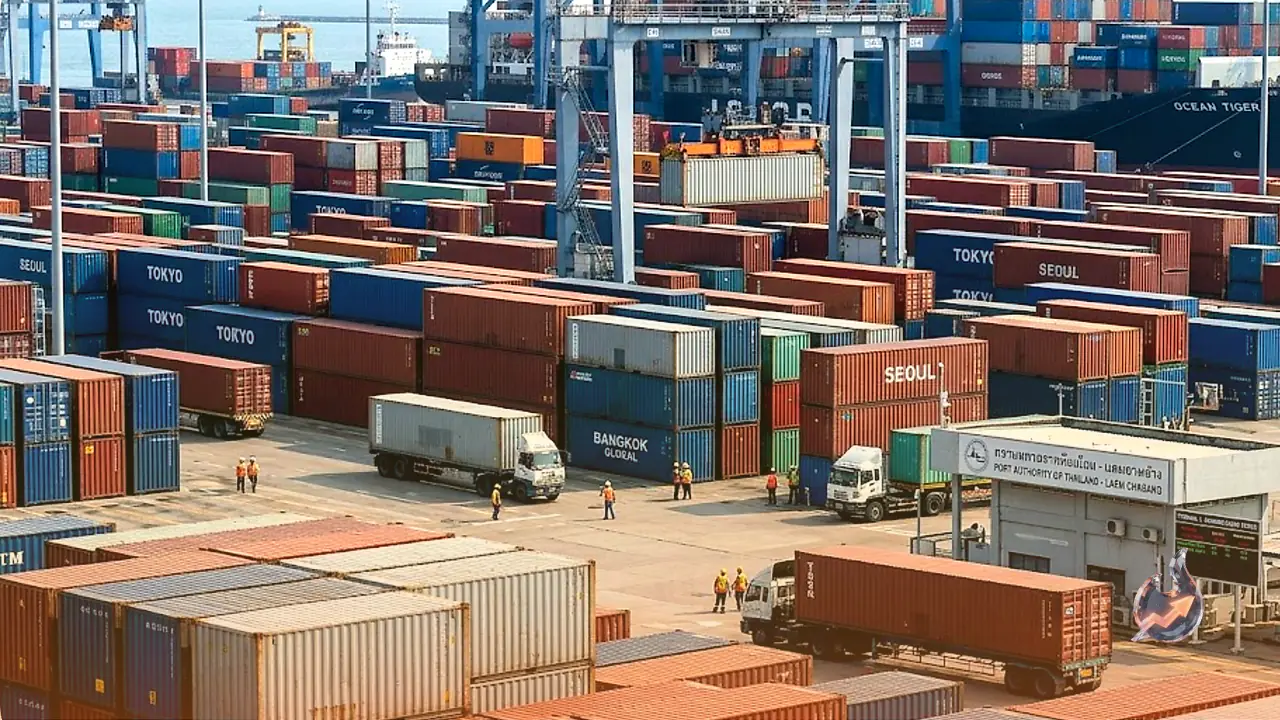
Thailand slipped into current-account deficits during April and May, but the cause is not a collapse in exports. The real driver is a surge in imports, concentrated in energy, raw materials, intermediate goods, and capital goods. The country is still selling plenty abroad, yet it is buying from abroad even faster, and that imbalance is what tipped the account into the red.
Reserves are high, but the comfort is fading
The reassuring part is that official reserves remain high and the external position stays resilient. That is why the April and May deficits are not yet a balance-of-payments concern. Reserves are ample and external-debt metrics look manageable. Even so, one point is clear. The current account is no longer offering the same comfort it did earlier in the year. The external cushion has become less generous than it was.
Why strong trade isn't reaching ordinary households
Here lies a crucial catch. Strong exports are being matched by equally strong imports of energy, raw materials, intermediate goods, and capital goods. That combination shrinks the domestic value-added multiplier attached to the export upturn. Put simply, the trade figures may look bright, but their full benefit does not stay inside the domestic economy. This is why the headline strength in trade is not translating cleanly into household income, into SME revenue, or into broad manufacturing output.
The road ahead for the baht
For markets, Thailand's structural external buffers should keep the baht supported. But in the near term, the currency's performance will stay sensitive to a handful of outside forces. Chief among them are oil prices, expectations around the US Federal Reserve, and each fresh current-account print. In other words, despite that underlying strength, the baht's swings will hinge for now on exactly these signals.