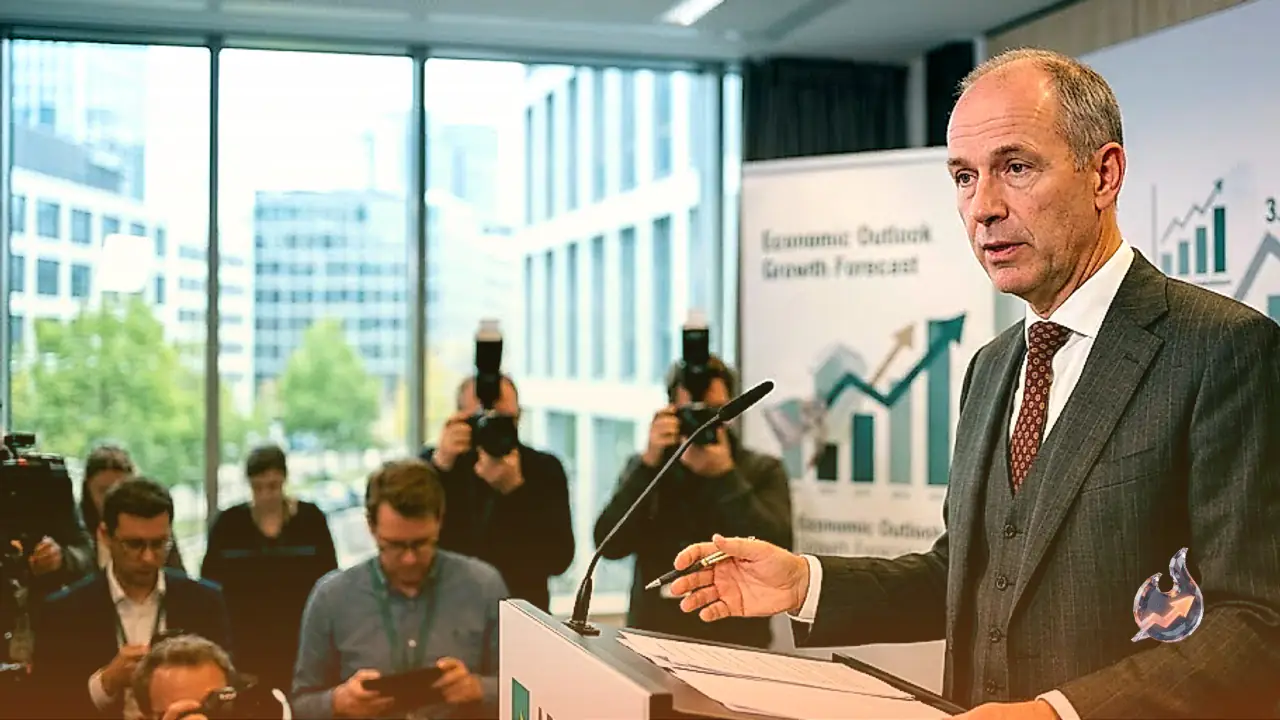

























Gross Domestic Product in the United Kingdom is anticipated to dip slightly in July following a robust start to the year, according to economic projections from Deutsche Bank. Economists Sanjay Raja and Maui Brennan expect the nation to experience a modest monthly economic contraction, led primarily by downward movements in the services and production sectors, while construction activity is projected to remain only marginally higher. Despite this anticipated short-term cooling, the institution maintains its overarching growth forecasts, projecting that the UK economy will expand by 1.1% in 2026 and 1.3% in 2027, backed by steady productivity gains and ongoing investments related to artificial intelligence.
Evaluating July Growth Adjustments
The economic team notes that while output likely dropped slightly during July after a hot start, this should not be interpreted as the beginning of a prolonged downward spiral in economic activity. Recent survey data across various sectors have continued to display positive trends, keeping the broader economic momentum on a steady path. Analysts view the anticipated July dip as a necessary course correction rather than a sign of structural weakness, noting that it follows a period where the economy was expanding at an unsustainable annualized pace of 2%.
Sector Breakdown and Future Outlook
The specific forecasts point toward a minor 0.1% month-on-month contraction for July. This dip is expected to be spearheaded by a 0.1% decline in the services sector alongside a more pronounced 0.3% drop in production. Looking further ahead, the bank expects economic momentum to remain range-bound within established parameters, with some ongoing catch-down effects stemming from previous energy shocks still appearing likely as the economy normalizes.
Global Currency Movements and Central Bank Expectations
Across broader foreign exchange markets, AUD/USD continues to consolidate just below the multi-month high touched in mid-May, hovering near the 0.7200 mark at the commencement of the trading week. Expectations of a hawkish Reserve Bank of Australia continue to provide foundational support for the Australian currency. Simultaneously, a stronger-than-expected US employment report has reinforced expectations regarding Federal Reserve interest rate hikes, which, combined with ongoing geopolitical tensions in the US-Iran region, bolsters the safe-haven US Dollar and caps further appreciation in major currency pairs.
Japanese Yen and Precious Metals Update
The USD/JPY exchange rate has extended its downward slide, slipping toward the 154.00 region to touch seven-month lows. This movement is driven by an increasingly hawkish repricing of the Bank of Japan policy outlook alongside domestic capital repatriation chatter. Meanwhile, Gold prices have attempted to stabilize following previous losses, successfully reclaiming the $4,400 per troy ounce threshold on Monday as the Greenback eases and traders exercise caution ahead of critical macroeconomic data releases scheduled for later in the week.
Cryptocurrency and Energy Market Trends
In digital asset markets, Bittensor has traded in positive territory, sustaining a steady upward trajectory over a five-day period with notable gains of 25%. Social media discourse surrounding the asset has intensified, fueled partly by the rollout of a similarly named Solana-based token and the release of ChatGPT-6 Astra. The technical outlook for TAO remains bullish as market momentum strengthens and buyers eye a decisive breakout toward the $300 mark. In the energy sector, while broader crude markets appear relatively calm, diesel pricing tells a vastly different story, with the US diesel crack spread surging above $100 per barrel for the first time to reach an intraday record high just over $102.00.