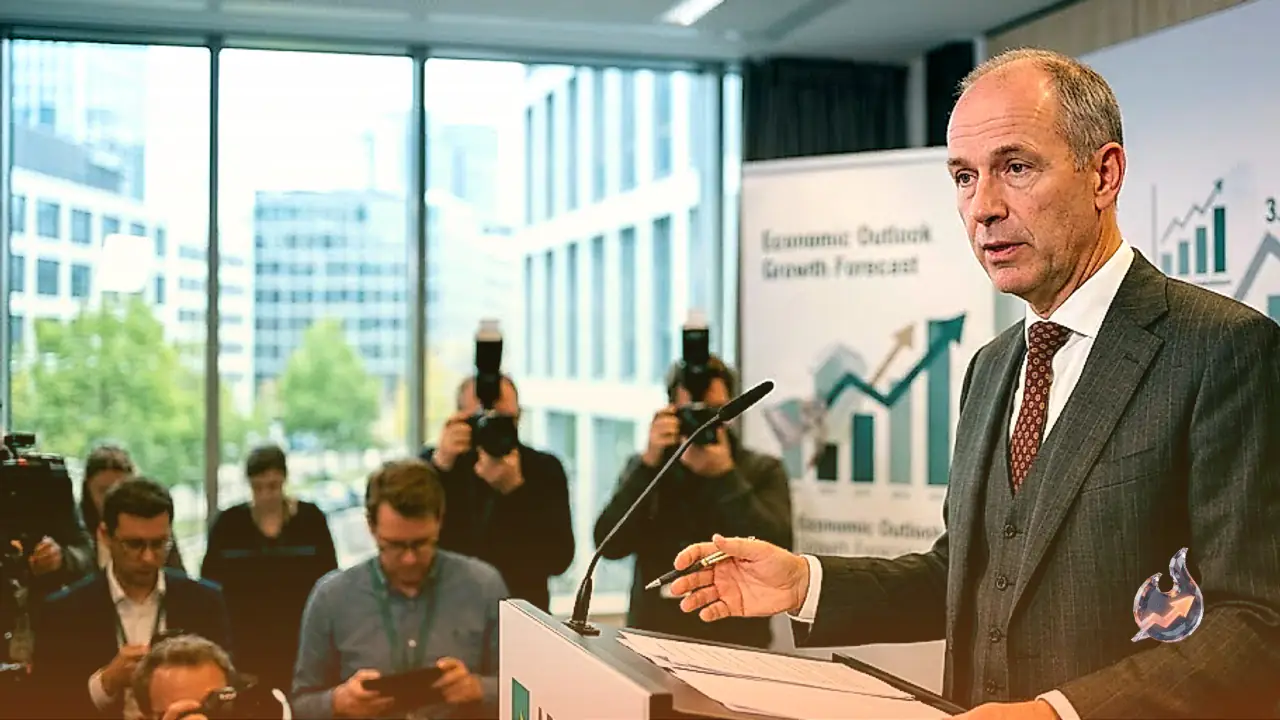






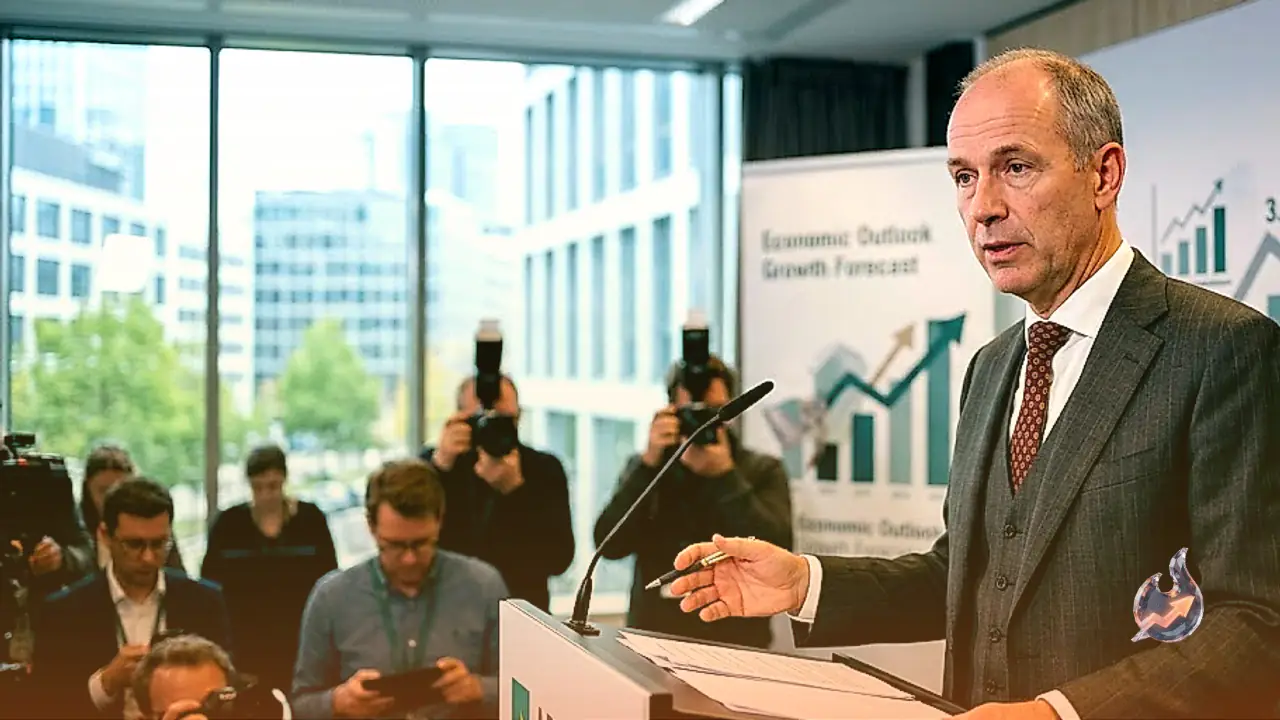


















The European Central Bank looks on course to raise its key interest rate for the second meeting running, according to a note from BBH. The bank's policy rate is expected to move up by 25 basis points to 2.50% on Thursday, building on the increase it delivered back in June. Two things are giving policymakers the confidence to keep tightening: inflation across the Eurozone is still running above the central bank's target, and the region's growth outlook has firmed up enough that a further rate rise is unlikely to knock the recovery off course.
Why Another Hike Looks Likely
BBH's reading of the situation rests on those same two pillars. When inflation sits above target for a sustained period, a central bank typically has more room to raise borrowing costs because bringing prices back under control becomes the priority. At the same time, a firmer growth outlook removes one of the biggest risks that usually holds policymakers back, the fear that higher rates will tip a fragile economy into a slowdown. With both boxes ticked, BBH sees little standing in the way of a fresh 25 basis point increase this Thursday, taking the deposit rate to 2.50%.
New Growth And Inflation Forecasts On The Table
Thursday's meeting will not just bring a rate decision. The European Central Bank is also due to publish its September round of macroeconomic projections, the quarterly forecasts that set out where officials expect Eurozone growth and inflation to head over the following months and years. BBH does not expect these updated forecasts to move much from the previous set. Leading economic indicators, the early data that tends to signal where activity is headed before the official growth figures catch up, have been improving lately. Core inflation, the measure that strips out volatile items like food and fuel to show the underlying price trend, has also come in a touch softer than before. Ordinarily, both of those developments would argue for a gentler inflation forecast. But BBH says they are being broadly cancelled out by a less welcome trend moving in the opposite direction, a sharp jump in energy costs.
Energy Prices Have Jumped Since June
That jump has been substantial. Brent crude oil is now trading 8% higher than it was at the time of the European Central Bank's June meeting, while natural gas prices have surged by 44% over the same stretch. Energy is one of the most direct channels through which prices reach ordinary households and businesses, showing up in everything from petrol pumps to heating bills and electricity costs, so a move of this size tends to filter fairly quickly into the broader inflation numbers the central bank watches most closely. That is the reason BBH points to higher energy prices as the factor offsetting the improvement seen in leading indicators and core inflation, leaving the overall Eurozone inflation and growth forecasts largely where they were heading into Thursday's decision.
Where Interest Rates Go From Here
Putting all of this together, BBH argues that the Eurozone's economic backdrop favours pushing the policy rate toward the top end of the central bank's own comfort zone. The European Central Bank treats a policy rate anywhere between 1.75% and 3.00% as broadly neutral, a level that neither actively boosts nor holds back the economy. BBH said, "the Eurozone macro backdrop argues in favor of bringing the policy rate closer to the upper end of the ECB's 1.75%-3.00% neutral range." Trading in the swaps market, where investors effectively bet on the future path of interest rates, already fully prices in a policy rate of 3.00% over the coming twelve months, which would put the European Central Bank right at the ceiling of that neutral band.
What It Means For The Euro
That pricing matters for currency traders because it points to sustained, rather than one-off, tightening from the European Central Bank. Higher interest rates generally make a currency more attractive to global investors, since money parked in euro-denominated assets earns a better return when the central bank's policy rate is higher. With markets already positioned for the policy rate to reach 3.00% within a year, and Thursday's expected move to 2.50% seen as another step along that path, BBH concludes that the overall backdrop remains supportive for the euro, even as elevated energy prices complicate the inflation picture the central bank has to navigate.