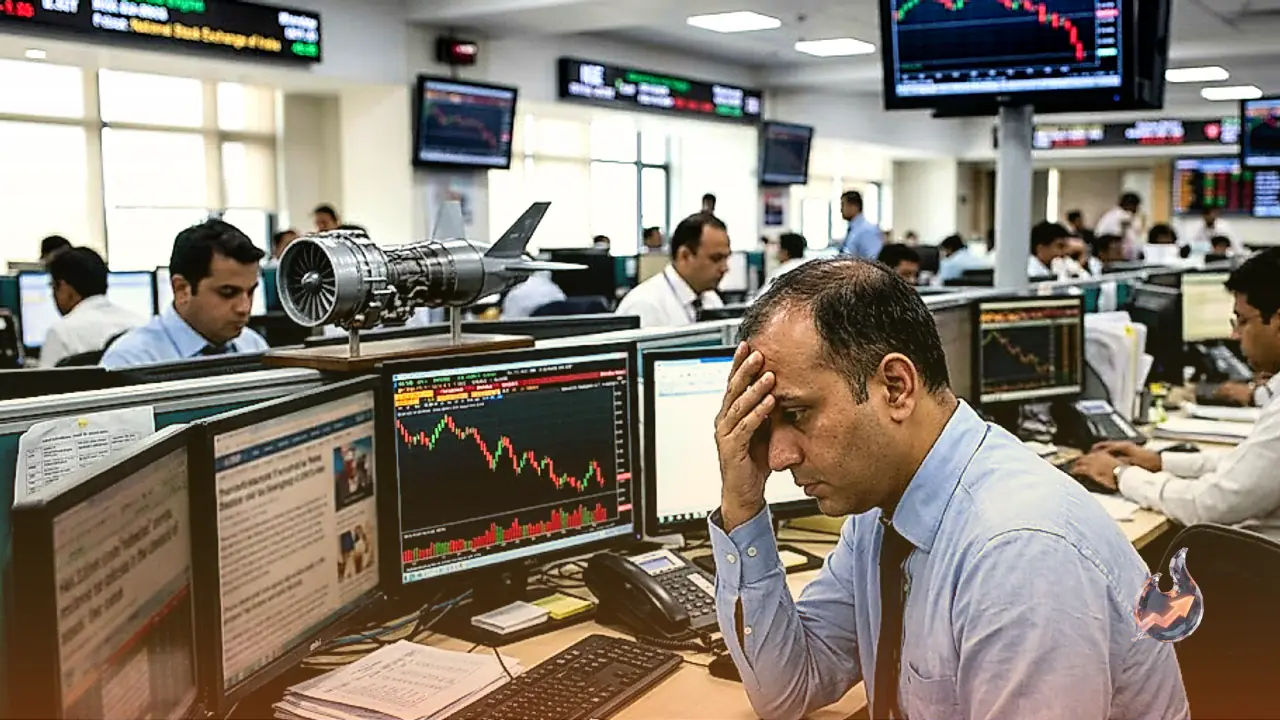







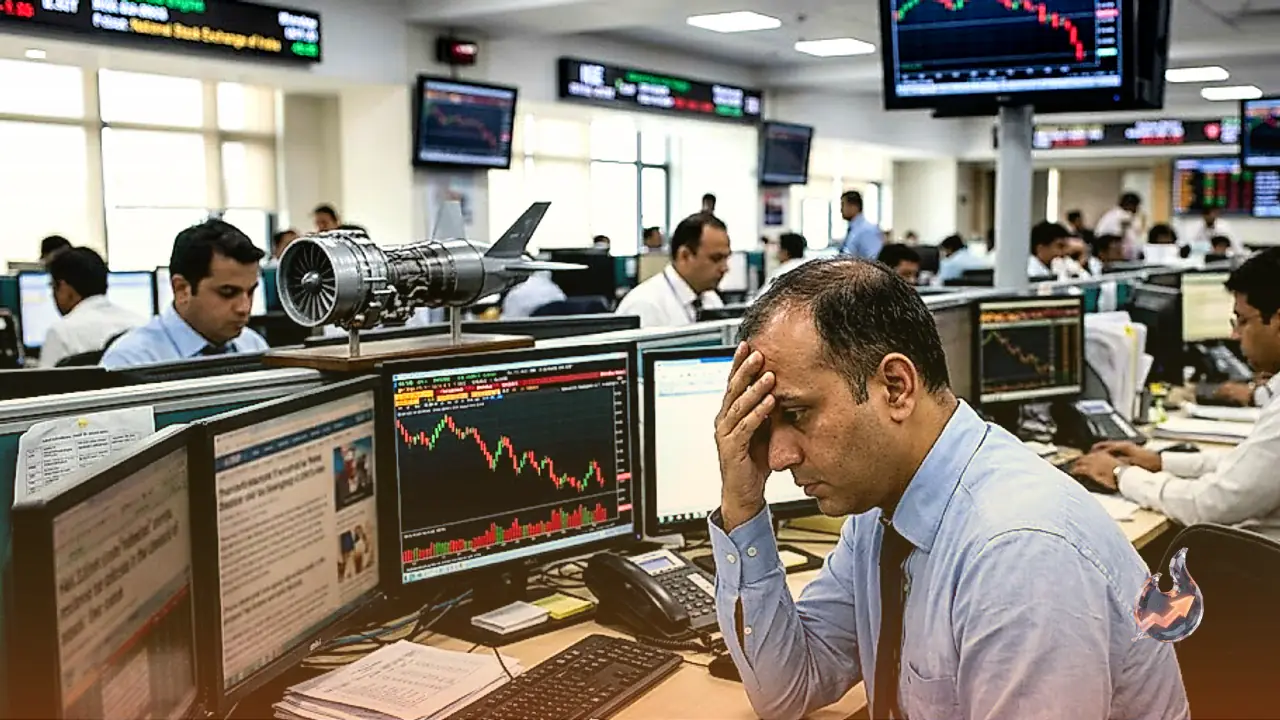
















This week, diplomats and the crude oil market were fixed on the same developing story. Tensions between the United States and Iran spilled into the open at the United Nations even as the two sides kept talking behind closed doors. Iran has made clear that it will deliver a firm response to any American misstep, and that warning arrived just as oil prices edged higher.
A stern warning at the Security Council
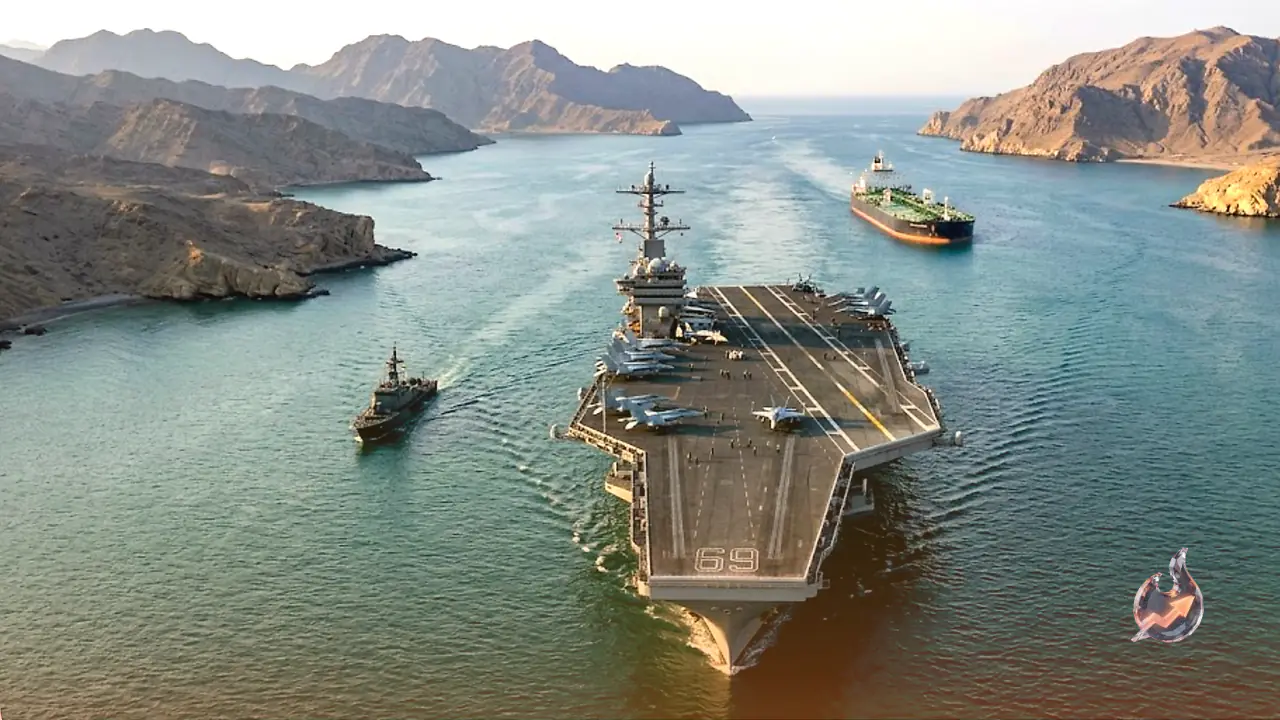
During an emergency session of the UN Security Council (UNSC), the US envoy Mike Waltz cautioned Iran against acting on its threats to close the Strait of Hormuz. That narrow waterway carries a huge share of the world's oil trade, which is why any threat to shut it feeds directly into worries about global energy supply.
Trump says a deal is nearly done
Donald Trump struck a far more upbeat tone. On Thursday he said, "I think they have accepted nearly everything we require." His remark came as Qatar pointed to "positive progress" following indirect technical talks between the US and Iran in Doha, discussions that centred on issues tied to the Memorandum of Understanding (MoU) signed on June 17.
Still, the picture is far from settled. The latest round of indirect talks wrapped up on Wednesday with no sign that the two sides had moved any closer to lasting peace.
Where oil prices stand
Amid this political tug of war, WTI crude was trading about 0.60% higher at around $68.45 at press time.
What WTI oil really is
WTI is a type of crude oil sold on international markets. The name stands for West Texas Intermediate, one of three major grades, the other two being Brent and Dubai Crude. WTI is also called "light" and "sweet" because of its relatively low gravity and low sulfur content. It is regarded as a high quality oil that is easy to refine. It is produced in the United States and distributed through the Cushing hub, often described as "The Pipeline Crossroads of the World." It serves as a benchmark for the oil market, and the WTI price is the figure most often quoted in the media.
What drives the price
Like any asset, WTI oil is priced mainly by supply and demand. Strong global growth tends to lift demand, while weak growth pulls it down. Political instability, wars and sanctions can disrupt supply and push prices around. The decisions of OPEC, the group of major oil-producing nations, are another big factor. The value of the US Dollar matters too, since oil is mostly traded in dollars. A weaker dollar can make oil cheaper, while a stronger dollar has the opposite effect.
The inventory reports to watch
The weekly oil inventory reports from the American Petroleum Institute (API) and the Energy Information Agency (EIA) also move the WTI price. Shifts in inventories reflect changes in supply and demand. A drop in inventories can signal stronger demand and push prices up, while higher inventories point to more supply and tend to drag prices down. The API report comes out every Tuesday and the EIA report the following day. Their results are usually close, landing within 1% of each other about 75% of the time. The EIA data is seen as more reliable because it comes from a government agency.
OPEC and OPEC+ explained
OPEC, the Organization of the Petroleum Exporting Countries, is a group of 12 oil-producing nations that jointly set production quotas for member countries at meetings held twice a year. Their decisions frequently shape WTI prices. When OPEC lowers quotas, it can tighten supply and push oil prices higher. When it raises production, the effect is reversed. OPEC+ refers to a larger group that adds ten more non-OPEC members, the most notable of which is Russia.