





















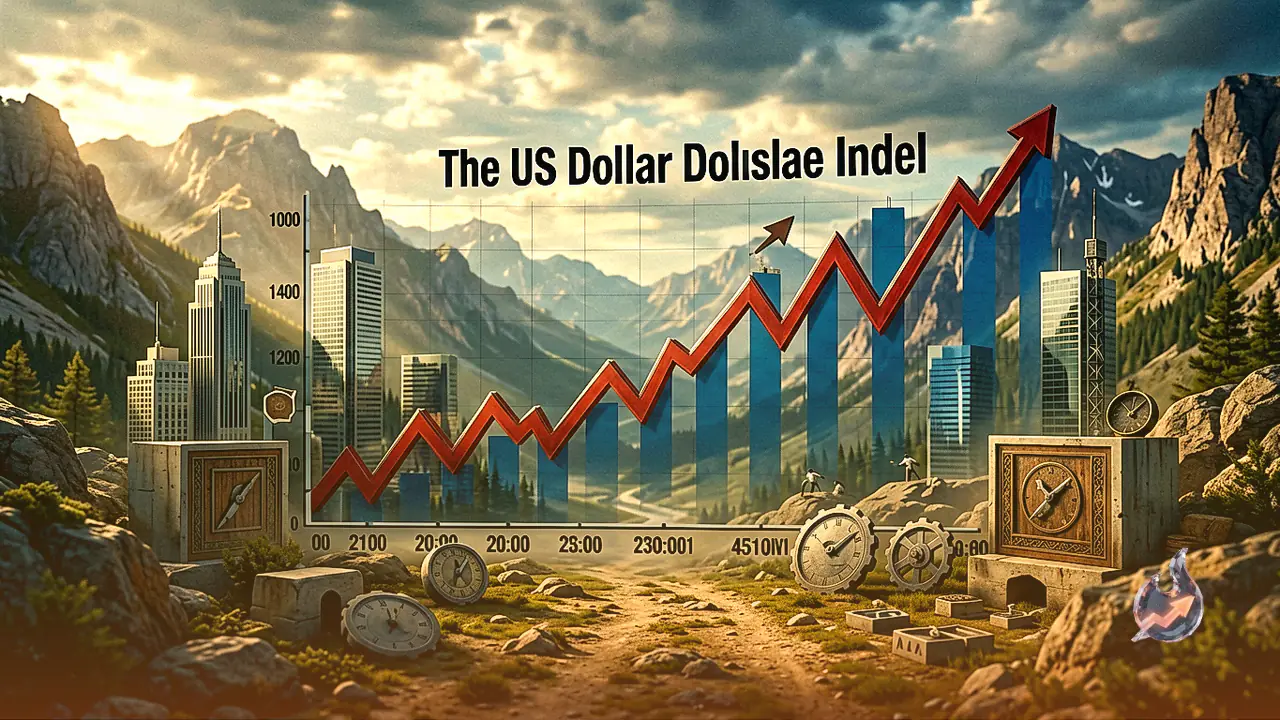

Global currency markets are exhibiting a distinct sense of caution regarding the US Dollar Index, commonly known as the DXY. While price action late last week and during recent sessions reflects hesitation among market participants to push the dollar any lower for the time being, experts question whether these developments will fundamentally alter the currency's broader trajectory. Technical indicators continue to flash bearish signals, and while various oscillator metrics suggest some moderation in the extent of the dollar's recent descent, a definitive market reversal remains absent at this juncture. Consequently, any near-term upward momentum for the DXY is widely expected to encounter strong resistance around the 100 threshold.
Movements Across Major Currency Pairs
At the start of the week, the GBP/USD pair retraced a portion of its earlier recovery, slipping back into the low 1.3600s. The currency pair trades with a mild downward bias as the Greenback gains support from cautious investors awaiting upcoming United States data releases and the highly anticipated Jackson Hole symposium. Similarly, the EUR/USD pair remains under modest selling pressure, retreating toward the 1.1660 zone to notch daily lows on Monday. This downward drift in the euro coincides with a decent advance in the US dollar as market participants closely monitor developments unfolding within the American money market.
Gold Resilience and Treasury Buyback Operations
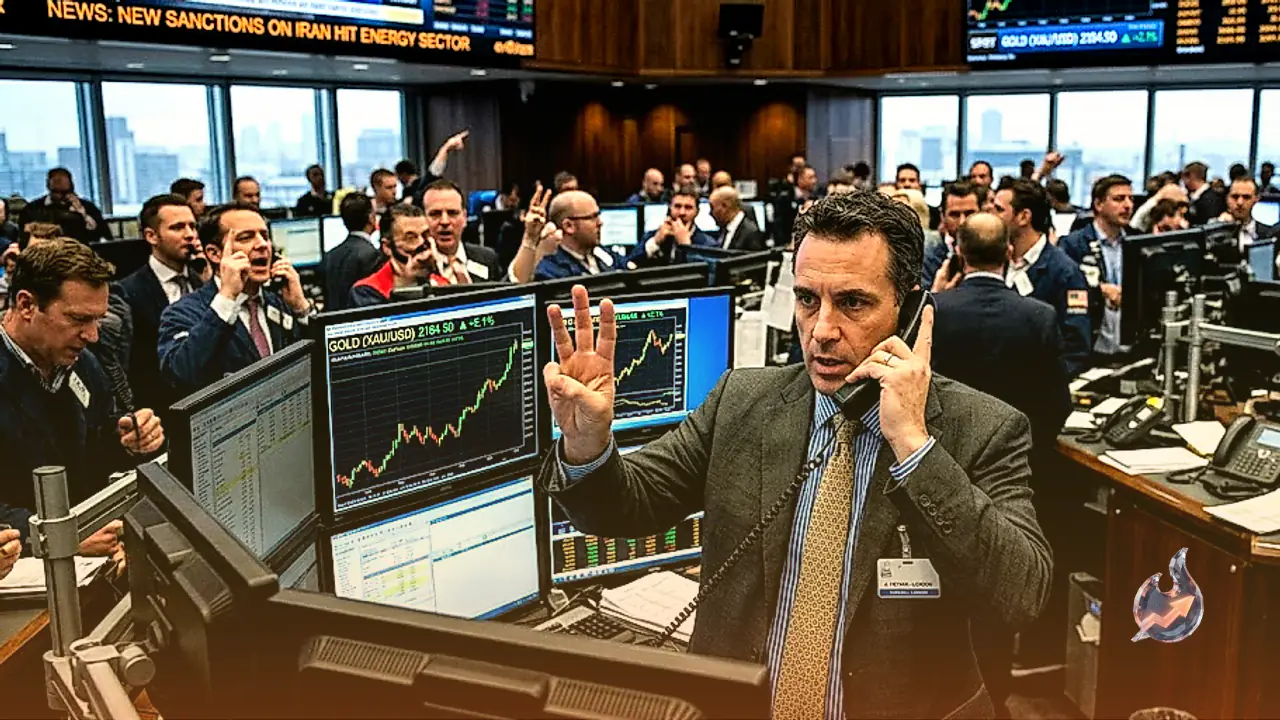
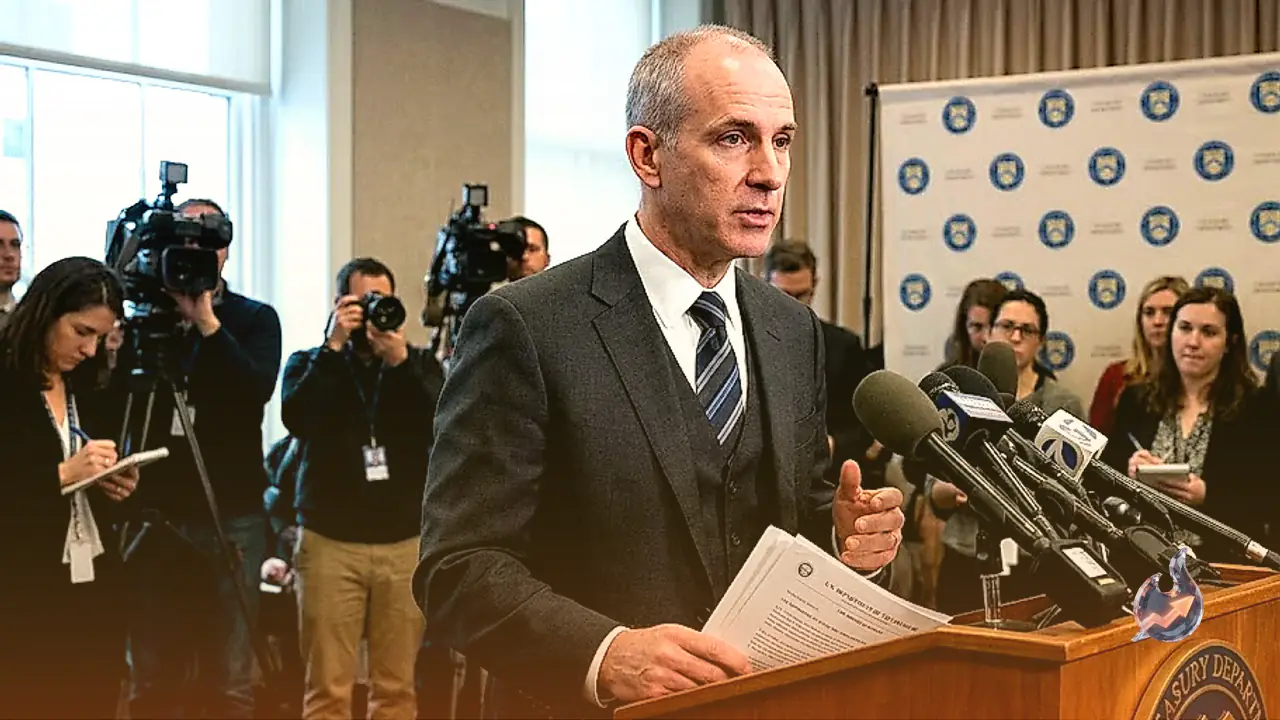
Despite the firmer footing displayed by the US dollar and a slight pullback in US Treasury yields across the curve, gold managed to preserve its robust bullish momentum well above the $4,600 per troy ounce threshold on Monday, even after surrendering a fraction of its initial gains. Meanwhile, the US Department of the Treasury implemented a notable deviation from its standard calendar. At 12:32 GMT, the department announced plans to at least double the size of its liquidity support buyback operations within the 10-year to 20-year and 20-year to 30-year maturity sectors. This adjustment raises the maximum cap from $2 billion per operation to a minimum of $4 billion, taking effect from September 9 and running through November 4.