























The Mexican Peso traded lower against the Greenback as economic indicators revealed accelerating inflation alongside softer-than-expected growth during the first half of August. Despite potential catalysts from domestic data, the exotic currency pair faced headwinds from external geopolitical developments.
Inflation and GDP Performance
Data released by the national statistics agency showed that headline inflation climbed from 3.1% to 3.26% in the first 15 days of August. Meanwhile, underlying inflation, which strips out volatile components, eased slightly from 3.95% to 3.94%. Concurrently, Gross Domestic Product for the second quarter expanded by 1.4%, rebounding from the 0.3% contraction recorded in Q1 2026, though it fell short of the forecasted 1.5% increase.
Geopolitical Pressures and Trade Dynamics
While the economic prints could have provided upward momentum, US Treasury sanctions on Iran acted as a cap on the Mexican currency's advance. President Claudia Sheinbaum continues to seek a trade pact with the US following tariff implementations on Canadian goods. Bilateral discussions had previously collapsed, leading the US to impose 50% tariffs on specific Canadian imports.
Technical Outlook and Price Levels
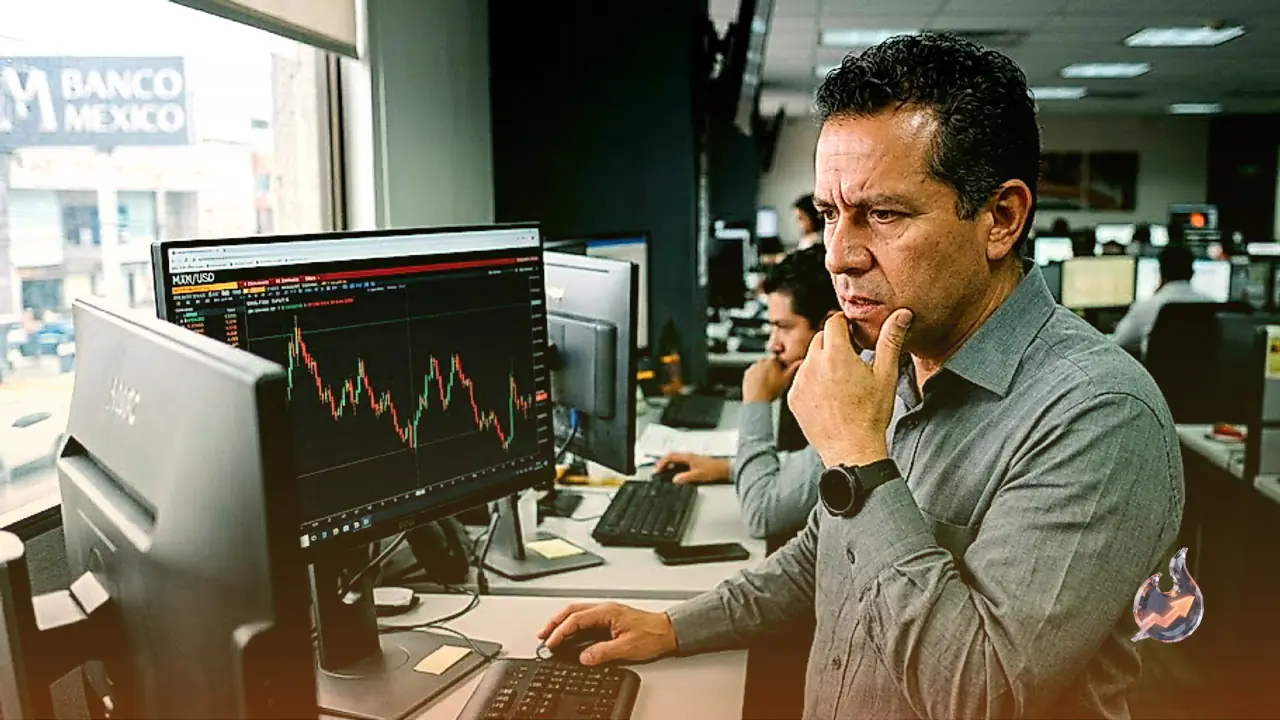
On the daily chart, the currency pair trades below a cluster of longer-term simple moving averages capping the upside near 17.3341. Prices also remain beneath a downward trendline break at 17.3653, maintaining a bearish bias despite the Relative Strength Index at 31.55 showing signs of moving away from oversold conditions. Initial resistance is pegged near 17.33, with structural support seen further down near the 15.51 region.
Fundamentals Driving the Mexican Peso
As the most heavily traded currency among Latin American peers, the Mexican Peso is influenced by domestic economic performance, central bank policy, foreign investment, and worker remittances from the United States. Geopolitical shifts, nearshoring trends, and oil export prices also serve as critical catalysts for the currency's valuation.
Monetary Policy and Central Bank Objectives
Banxico, Mexico's central bank, aims to keep inflation anchored around its 3% target by adjusting interest rates accordingly. Higher interest rates typically attract foreign investors and support the Peso by increasing yields, whereas economic weakness and lower rates tend to weigh on the currency during periods of heightened market uncertainty.
Wider Market Context
Global currency markets remain cautious ahead of upcoming US data releases and the Jackson Hole symposium, with major currency pairs showing mixed movements. Concurrently, the US Treasury has announced an expansion of its liquidity support buyback operations to address sector stability through the autumn months.