























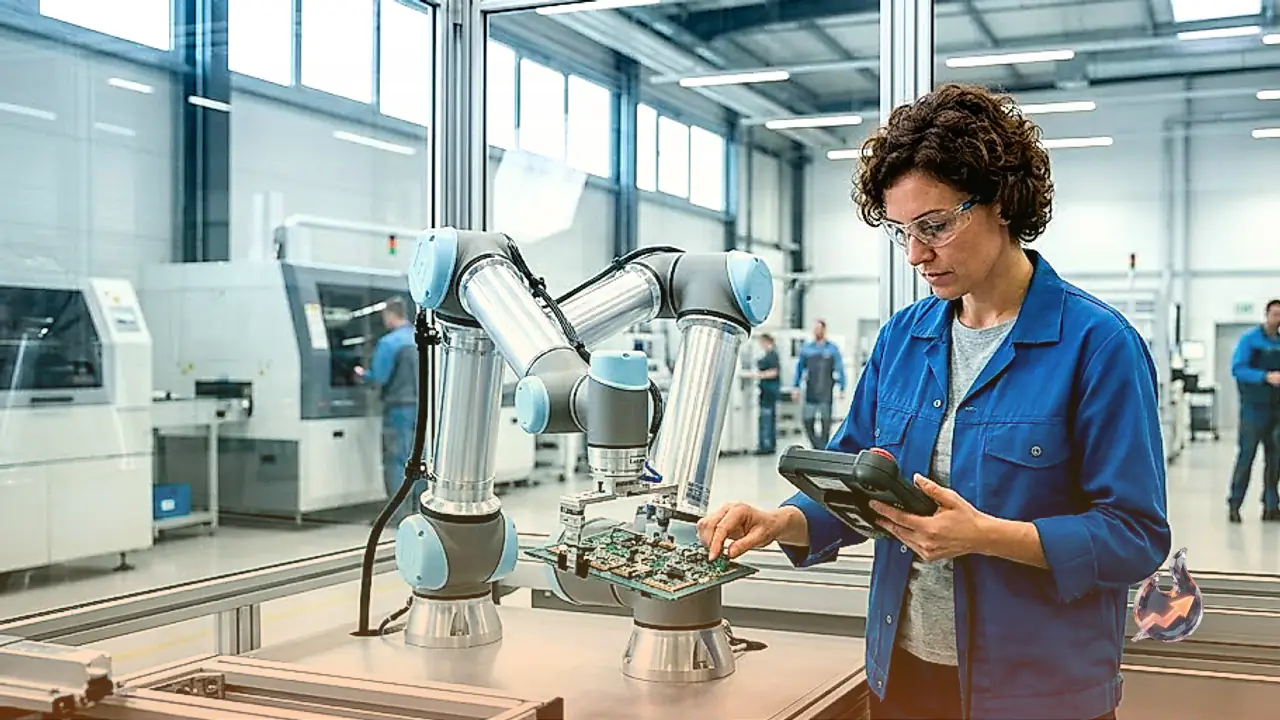

American manufacturing is witnessing a notable turnaround after enduring prolonged stagnation, spurred by reshoring initiatives, rising defence allocations, and massive investments in artificial intelligence. James Knightley and Coco Zhang, analysts at ING, project that US factory output will expand at a rate of 1.5% to 2% per year over the next three years. However, this recovery is marked by a distinct internal split: highly automated, technologically advanced sectors are expanding rapidly, whereas traditional, labour-intensive segments continue to lose ground.
The ING Projection Against Twenty Years of Sluggish Growth
While an annual output growth forecast between 1.5% and 2% might appear modest at first glance, it represents a meaningful shift when judged against the past twenty years of sluggish industrial activity. Evidence of this turnaround has surfaced clearly over the past year, highlighted by the ISM production index transitioning out of contraction territory below the 50 mark to signal solid expansion. Corporate surveys also reveal robust order books across industrial suppliers, providing the primary foundation for sustained factory momentum.
Automated High-Value Segments as National Champions
The domestic manufacturing expansion is heavily weighted toward high-value sectors positioned at the leading edge of technology and artificial intelligence. These segments are viewed by authorities as strategic national champions capable of absorbing higher domestic payroll expenses without sacrificing margins. The integration of advanced automation and AI is anticipated to drive productivity enhancements and stimulate ongoing innovation. Consequently, sectors such as pharmaceuticals, technology, aerospace, transportation, electrical machinery, and power generation equipment are expected to maintain substantial upward momentum.
Struggles for Labour-Heavy Production and the Position of Steel
The outlook remains substantially more difficult for lower value-added manufacturing, where payroll accounts for a significant fraction of total operating expenses. Unless these traditional goods can command a distinct 'made in America' pricing premium, domestic producers will find it difficult to compete against cheaper alternatives. Meanwhile, heavy industrial segments like steel occupy a middle ground. Although operational costs for US producers have climbed, competitors in other global jurisdictions have faced even steeper cost inflation, leaving domestic steelmakers in a comparatively resilient position.
The Influence of Tariffs, Energy Security, and Broader Economic Growth
Federal tariffs and a reliable domestic energy supply have made producing within the United States increasingly attractive. More crucially, the broader American economy continues to outpace other major global regions, providing an enduring demand cushion for domestic goods. From 2023 through 2026, real economic output in the United States grew at an average annual rate of 2.5%, compared to a modest 0.9% average growth rate across European markets over the identical period.
Currency Shifts in Asian Trading
Across the foreign exchange landscape, the Australian dollar retreated toward 0.7000 against the US Dollar during Thursday's Asian trading session. The move followed the release of Australia's August labour data, which revealed that the jobless rate climbed to 4.6% against a forecast of 4.5%, even as employment expanded by 39.5K positions to surpass expectations. Concurrently, USD/JPY pulled back from recent three-week highs, holding near 158.00 as rising domestic government bond yields and intervention concerns offered support to the Japanese Yen. The US Dollar, however, maintained broader strength near a two-month peak, bolstered by hawkish Federal Reserve expectations and elevated Treasury yields.
Precious Metals Ease as Bank of Japan Hikes Policy Rate
Gold maintained a downward trajectory for the second consecutive session, slipping below $4,300 per ounce to reach a one-week low during European trading hours. Financial participants took a cautious stance ahead of scheduled discussions between US President Donald Trump and Chinese President Xi Jinping. While market expectations for groundbreaking breakthroughs remain low, investors are closely watching for potential developments regarding rare earths, export limits on sensitive technology, and prolonging the current bilateral trade truce. In central banking developments, the Bank of Japan lifted its policy rate target from 1.00% to 1.25% in a 7-2 vote, advancing its rate normalisation agenda in alignment with consensus expectations.