


















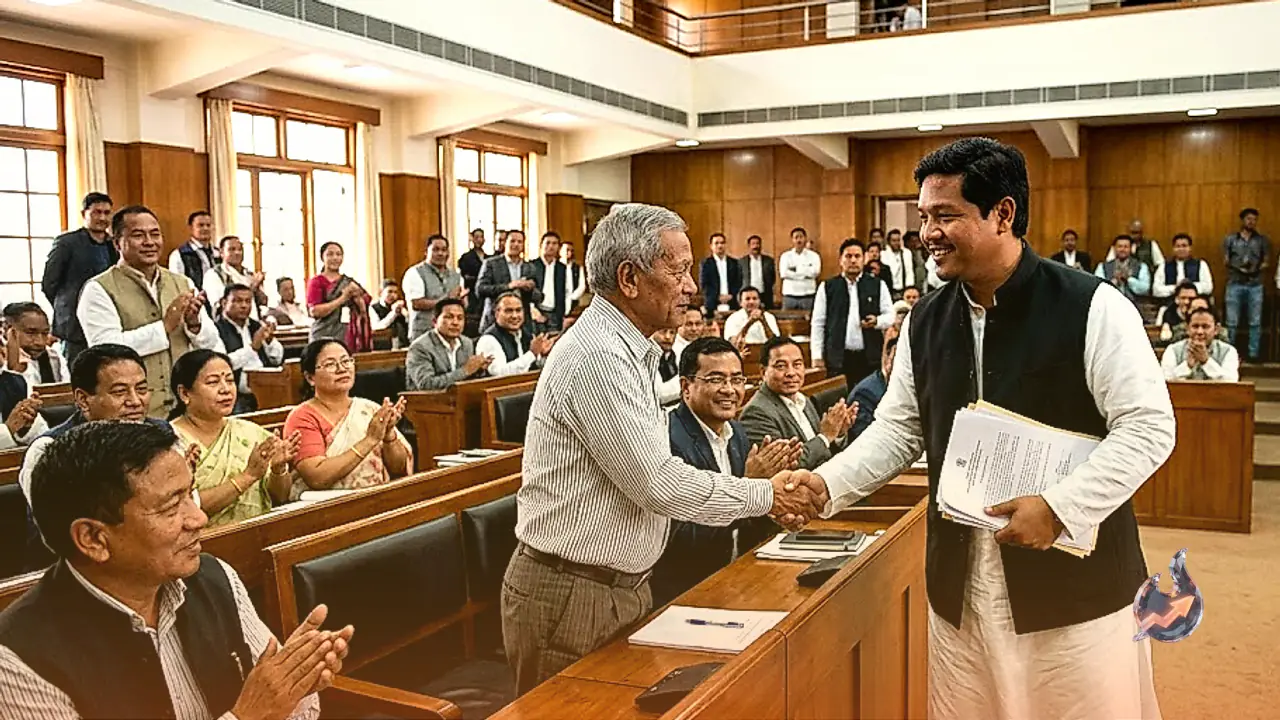

The Meghalaya Legislative Assembly has unanimously adopted a resolution expressing firm opposition to any future exploration, extraction, or mining of uranium within the state. Introduced by Chief Minister Conrad K Sangma, the motion received total support from all 60 members of the House, providing strong legislative backing to a grassroots movement that has spanned several decades across the northeastern state.
Key Resolution Mandates and Appeal to Central Agencies
The resolution explicitly urges the Central Government, the Department of Atomic Energy, and the Uranium Corporation of India Limited (UCIL) to refrain from issuing permits, pursuing proposals, or conducting operations related to uranium processing or extraction in Meghalaya. Chief Minister Sangma emphasized that the primary objective of this legislative action is to formally record the state's collective stand and convey the decision directly to central authorities in New Delhi.
Protection of Sixth Schedule Land Rights
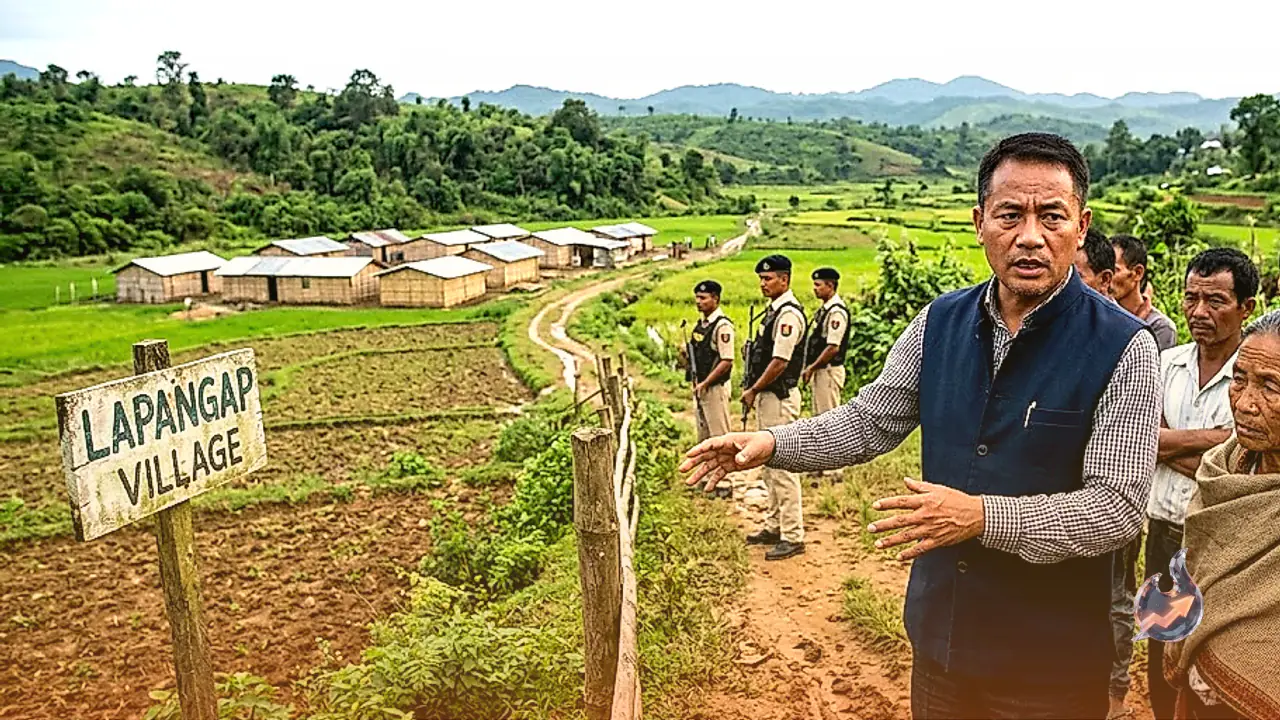
While introducing the measure, Sangma highlighted Meghalaya's unique land tenure system, which is safeguarded under the Sixth Schedule of the Indian Constitution as well as customary practices. Under this framework, ownership of land rests with local communities, clans, and individuals rather than the state government. Significant uranium deposits have been located in regions such as Domiasiat, Wahkyn, and Nongstoin. However, any initiative to extract these reserves has faced persistent resistance from traditional institutions, indigenous student bodies, local residents, and civil society organizations.
Environmental and Health Concerns Drive Opposition
Public resistance to industrial uranium projects in Meghalaya has been driven by deep concerns over potential radiation hazards, environmental degradation, and the forced displacement of native inhabitants. The Domiasiat deposit is recognized as one of India's major raw uranium resources, making it a persistent flashpoint between national energy resource ambitions and local environmental rights. The Assembly's action formally aligns the state's governance framework with these long-standing community priorities.
Decades of Resistance and Key Historical Figures
The public opposition to uranium activities dates back to the 1980s, when the Atomic Minerals Directorate for Exploration and Research initiated survey operations in the uranium-dense regions of the former West Khasi Hills district, particularly around Domiasiat and the Kylleng-Pyndengsohiong-Mawthabah area. Over the decades, prominent leaders helped shape the movement. Hopingstone Lyngdoh played a central role in mobilizing village communities against government exploration efforts. Similarly, Spelity Lyngdoh Langrin of Domiasiat became an iconic figure of local resistance after famously turning down a lucrative land acquisition offer from UCIL.