


















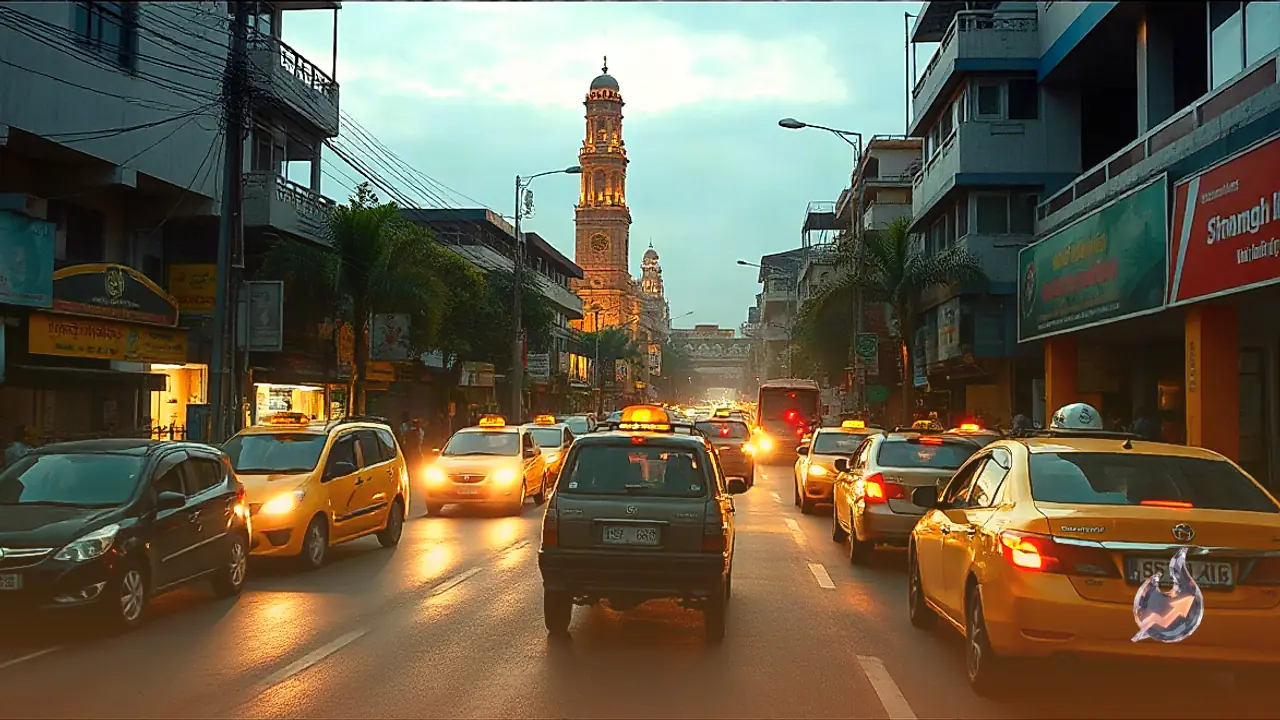

Travelers moving between Assam and Meghalaya face severe disruption as commercial cab operators have completely halted taxi operations along the key Shillong to Guwahati transit corridor. The decision by the Meghalaya taxi drivers' body follows a wave of tension and unrest in Shillong, leaving daily commuters, workers, and visiting tourists stranded.
Escalating Tensions and Demands for Driver Safety
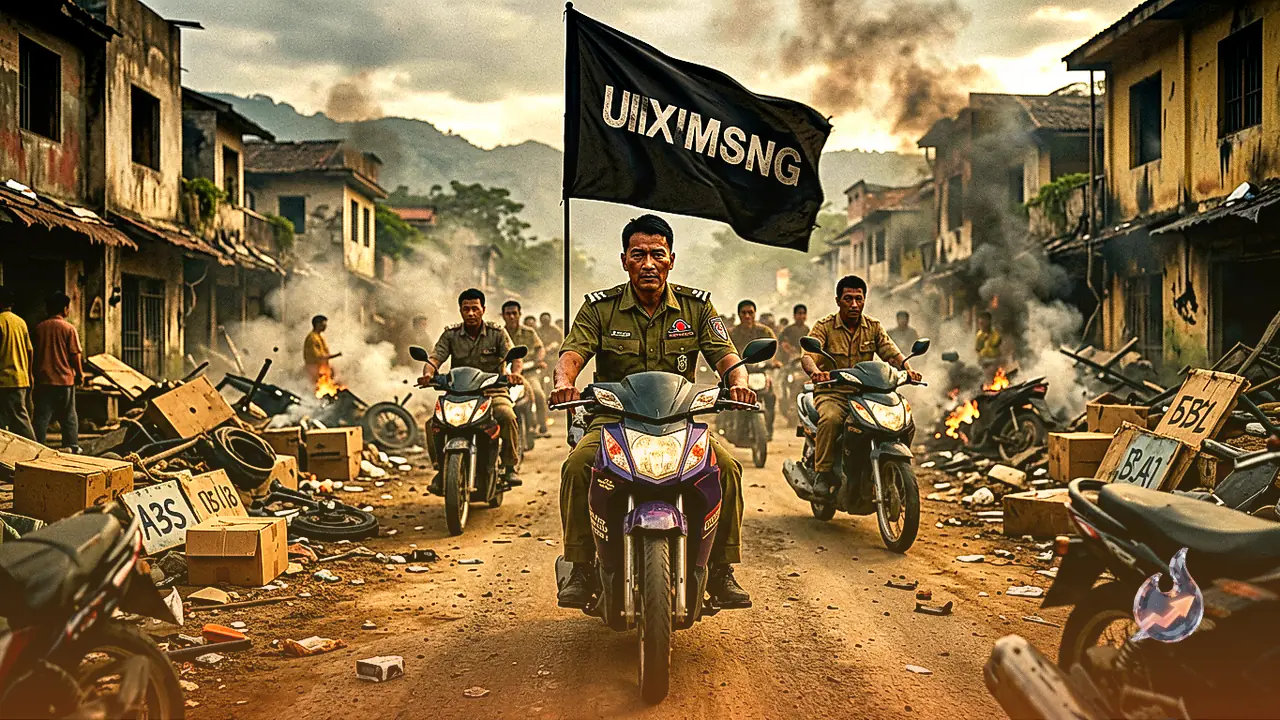
The immediate trigger for the transport shutdown stems from violence that broke out during a black-flag motorcycle rally organized by the Khasi Students' Union (KSU). During the demonstration, several vehicles suffered damage, multiple individuals sustained injuries, and tourists traveling from Assam were allegedly assaulted. In response to the unrest, driver associations in both Assam and Meghalaya have staged protests to voice grave safety concerns for transit workers and passengers.
Representatives of the Meghalaya taxi drivers' association warned that cab services running into Meghalaya from Assam could also face suspension unless government authorities restore order swiftly. The operators have demanded strict legal action against those responsible for the assaults, along with robust security arrangements along major highways.
Administration Imposes Prohibitory Orders in Key Zones
To prevent further escalation and curb potential gatherings, the East Khasi Hills district administration took preventive legal measures on Thursday. District Magistrate Abhilash Baranwal issued prohibitory orders under Section 163 of the Bharatiya Nagarik Suraksha Sanhita (BNSS), 2023, restricting unauthorized movement and gatherings within the jurisdiction of Sadar Police Station.
Administrative reports indicated that the Khasi Students' Union had planned an organized rally starting from its central office located at Jaiaw, progressing toward Motphran, and concluding with a planned sit-in protest at Khyndailad on August 21. By placing strict restrictions across these crucial urban points, local authorities aim to avert further clashes, preserve public order, and encourage peaceful dialogue between administrative bodies and transport unions to normalize interstate travel.