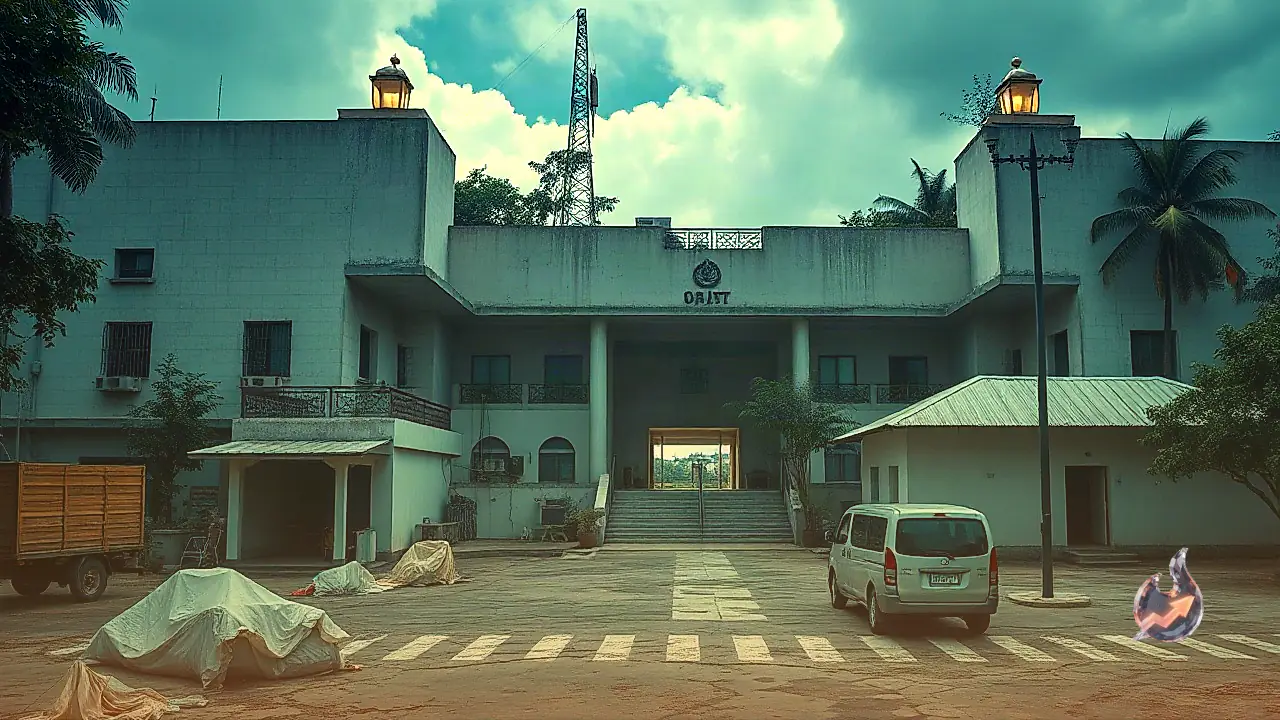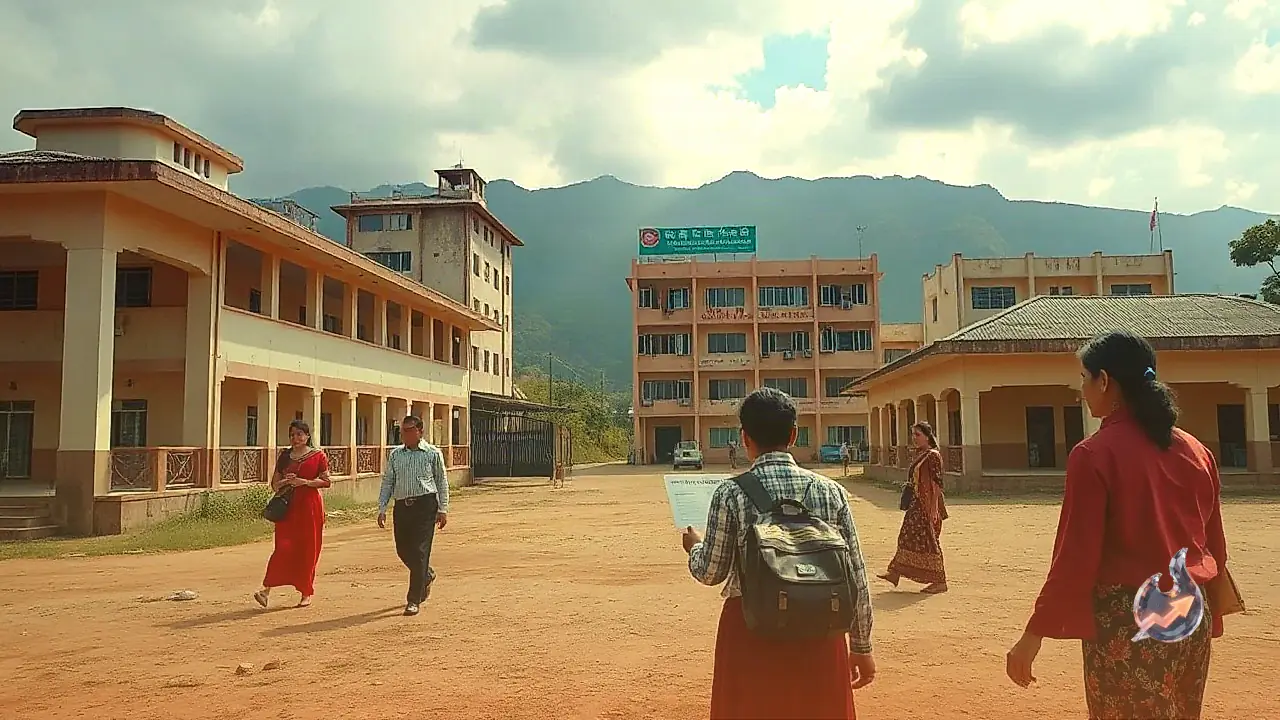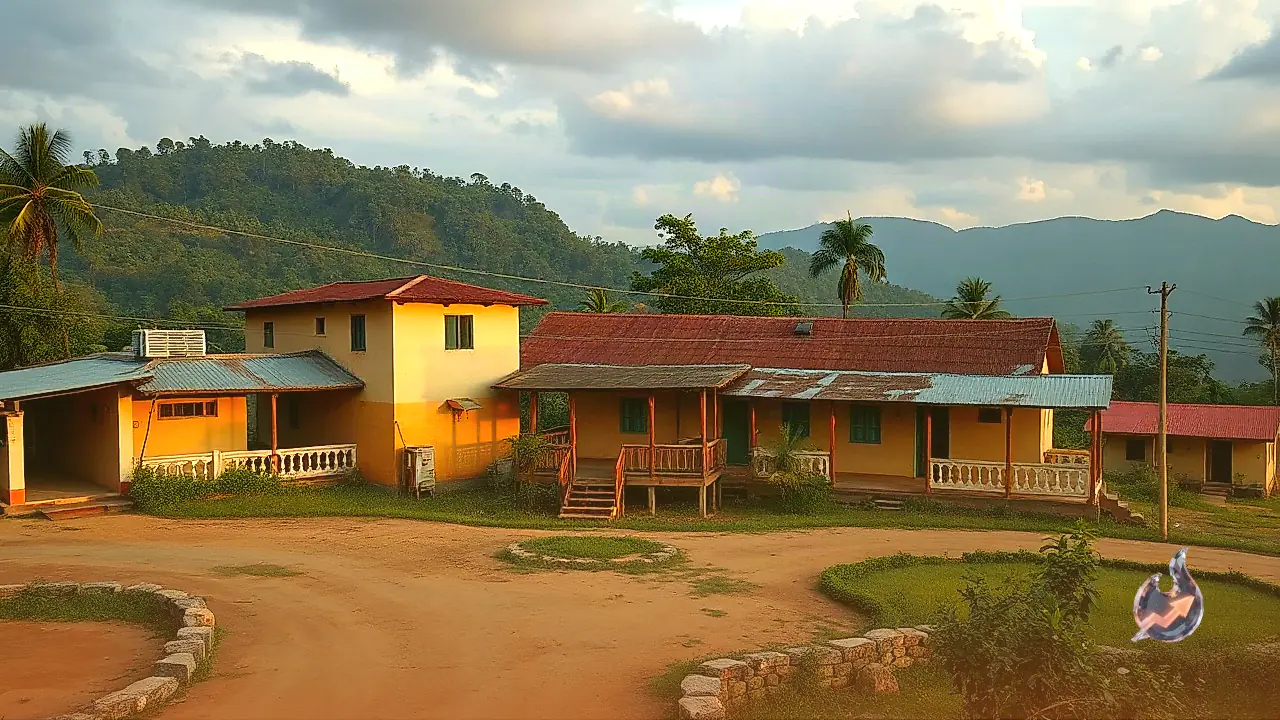

























Construction activities at an Eklavya Model Residential School (EMRS) site in Kairang village, situated within Meghalaya's East Jaintia Hills district, were halted following a surprise inspection by the Jaintia National Council (JNC). The organisation intervened after discovering that several hundred non-tribal labourers brought in from outside the state were engaged in construction tasks without the mandatory statutory clearances and work documentation required under state regulations.
Surprise Site Inspection Uncovers Regulatory Gaps
The intervention was carried out under the leadership of Wanshwa Suting, general secretary of the JNC Central Executive Committee. During their unscheduled assessment of the facility grounds, council representatives identified that the infrastructure contract had been awarded to Badri Rai Company. Suting explained that the contractor had mobilized a sizable contingent of non-tribal workers from beyond Meghalaya's borders to execute the build, estimating that several hundred such individuals were deployed on the grounds without holding valid statutory permits.
Statutory Requirements for Non-Tribal Employment
Meghalaya maintains strict guidelines regarding the engagement of non-local human resources. Pointing out the regulatory framework, Suting clarified that any non-tribal labourer entering Meghalaya for commercial employment must possess an official registration card issued under the MRSSA 2020. Furthermore, incoming personnel must complete their documentation at the Office of the Registration Officer and secure an Employee Service Licence as prescribed by the Jaintia Hills District Autonomous Council Trading by Non-Tribals Rules, 2015. Following the detection of these procedural lapses, the council directed that all activities involving undocumented migrant labourers cease immediately, whereas local workers were cleared to carry on with their assignments.
Support for the Educational Mission and Local Opportunities
The JNC emphasized that its objections pertain strictly to hiring practices and regulatory non-compliance, rather than the institutional project itself. Suting reiterated that the community values the residential school concept, describing it as an advantageous initiative capable of delivering significant educational benefits to local tribal students and uplift the wider vicinity. The completed complex is set to house residential hostels, comprehensive athletic infrastructure, specialised skill-development initiatives, and diverse vocational training pathways. Beyond student development, the fully operational facility is expected to unlock permanent employment opportunities for local residents across multiple departments.
Concerns Over the Displacement of Local Labour
The council expressed frustration over the fact that local jobseekers appeared to be entirely excluded from the on-site construction phase. Suting noted that the inspection team was dismayed to discover that only non-tribal labourers were actively engaged at the location. In response to this pattern, the organisation cautioned all corporate contractors handling state-funded and central infrastructure undertakings in Meghalaya against sourcing labour from other regions when local workers are ready and qualified to perform the work. Administered through the Ministry of Tribal Affairs, the EMRS initiative focuses on delivering formal residential schooling alongside supportive infrastructure to empower students from tribal backgrounds.