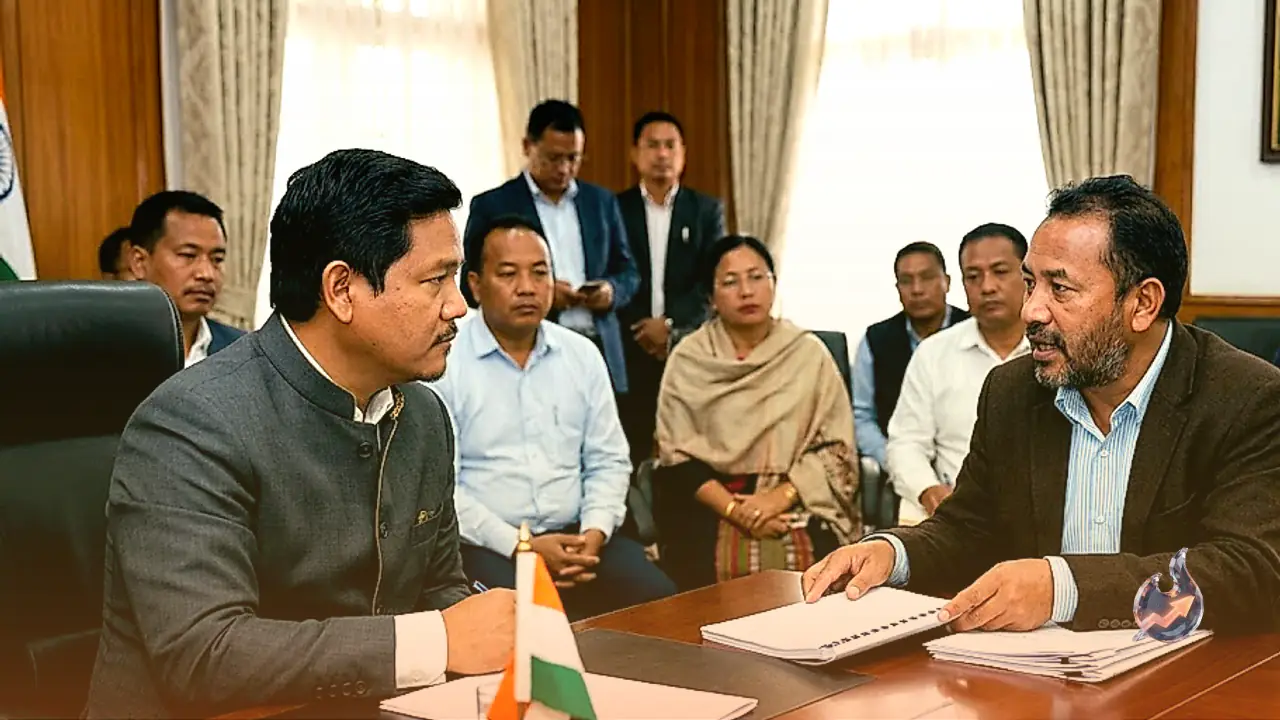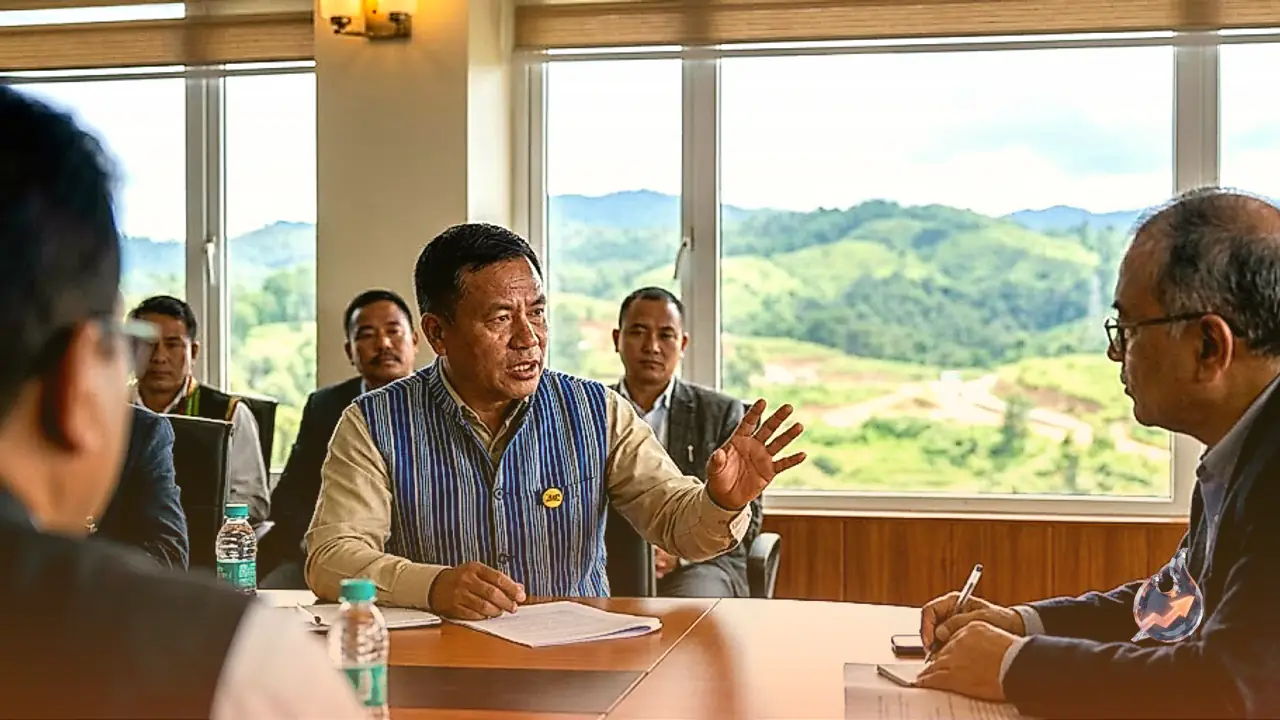

























Meghalaya Chief Minister Conrad K. Sangma has officially inaugurated three specialized Mobile Medical Units (MMUs) in Shillong, aiming to bridge the critical gap in healthcare accessibility within the state's most isolated regions. This welfare project is geared toward delivering crucial preventive and primary medical assistance directly to rural populations who often have to travel long distances for basic clinical care. Supported by Altius as a part of its Corporate Social Responsibility (CSR) program, the medical outreach initiative is set to be executed on the ground by the Apollo Foundation Total Health.
According to comprehensive database mapping and baseline evaluations conducted by the Apollo Foundation Total Health, these three newly deployed clinical vehicles will offer comprehensive health coverage to approximately 93 rural settlements. In total, the services are expected to directly benefit a combined population of more than two lakh individuals residing in the identified blocks.
Targeted Geography and Rural Coverage
The operations of these mobile health clinics are strategically distributed to target areas with significant infrastructural challenges. Specifically, the MMUs will serve the communities within the Mawpat, Pynursla, and Baghmara regions. Mawpat and Pynursla function as Community and Rural Development (C&RD) Blocks situated in the East Khasi Hills district, whereas Baghmara is located in the South Garo Hills district.
To break down the coverage plan, the medical vans are scheduled to traverse and support approximately 45 villages within the Mawpat block. In addition, about 26 villages in Pynursla and 22 villages in the Baghmara region will receive scheduled visits from these healthcare units. Highlighting the rollout of this initiative, the Chief Minister wrote on X that the deployment of these vans across Sohra, Pynursla, and Baghmara, equipped with a medical doctor and paramedic, would help bring essential clinical facilities directly to the doorstep of citizens.
In-Transit Clinical Setup and Specialized Focus
Each mobile vehicle is designed to function as a miniature primary health center on wheels. The units are fully staffed with qualified medical doctors, trained nurses, and paramedic personnel. Beyond manpower, the vans are loaded with essential testing apparatus, standard medicines, and technology-driven Electronic Medical Record (EMR) systems. This digital record-keeping feature ensures that every patient's clinical history is safely archived for future consultations and continuous monitoring.
The on-board medical teams will offer a wide array of outpatient services, including physical consultations, standard diagnostic tests, basic medication distribution, and routine follow-up protocols. In cases where patients present complex symptoms or require specialized intervention, the medical staff will facilitate structured referrals to higher-level public or private hospital facilities.
A major objective of this mobile outreach is the prevention, early detection, and management of Non-Communicable Diseases (NCDs) such as diabetes and hypertension. The clinical teams plan to run continuous community screenings and health literacy sessions to encourage early diagnosis. Additionally, the program will execute highly targeted interventions based on regional health requirements, which will include specialized cancer screenings and comprehensive vision health services.
The Government's Vision for Human Development
During the inauguration event, Chief Minister Sangma remarked that enhancing the state's education and healthcare infrastructure has been a central pillar of his administration's focus since taking office in 2018. He explained that economic growth indicators like the Gross Domestic Product (GDP) and general physical infrastructure are ultimately meaningless if the resultant benefits do not reach every single resident. Therefore, the administration has consistently prioritized human development sectors.
Sangma outlined that the state initially focused on understanding the core bottlenecks and root causes plaguing the local health and education systems before designing targeted solutions, with technological integration serving as a major enabler. He emphasized that the true success of these mobile units will not be measured by the ceremony of their launch but by the tangible medical support they provide to citizens on a daily basis.
The Chief Minister pointed out that launching an ambulance is relatively simple, but real success lies in saving lives, delivering vital medicines to children, and assisting vulnerable, elderly, and economically disadvantaged individuals. He termed the project a potential game-changer for last-mile healthcare delivery in Meghalaya. He also underlined the importance of expanding digital networks to ensure the technology-enabled elements of these medical units work seamlessly, citing feedback regarding network requirements collected from the public through the CM Connect initiative. Representatives from Altius and the Apollo Foundation Total Health reconfirmed their commitment to aiding the state government in strengthening public health frameworks and expressed gratitude for the administrative support provided to make this project possible.