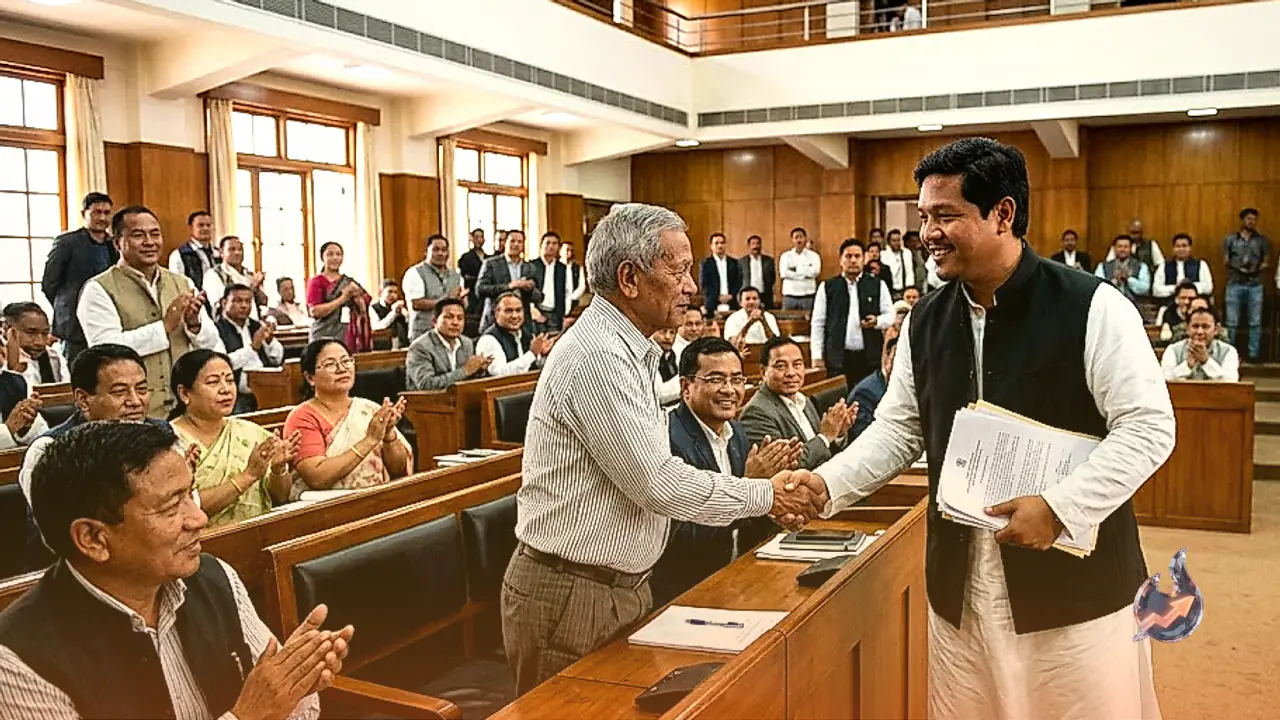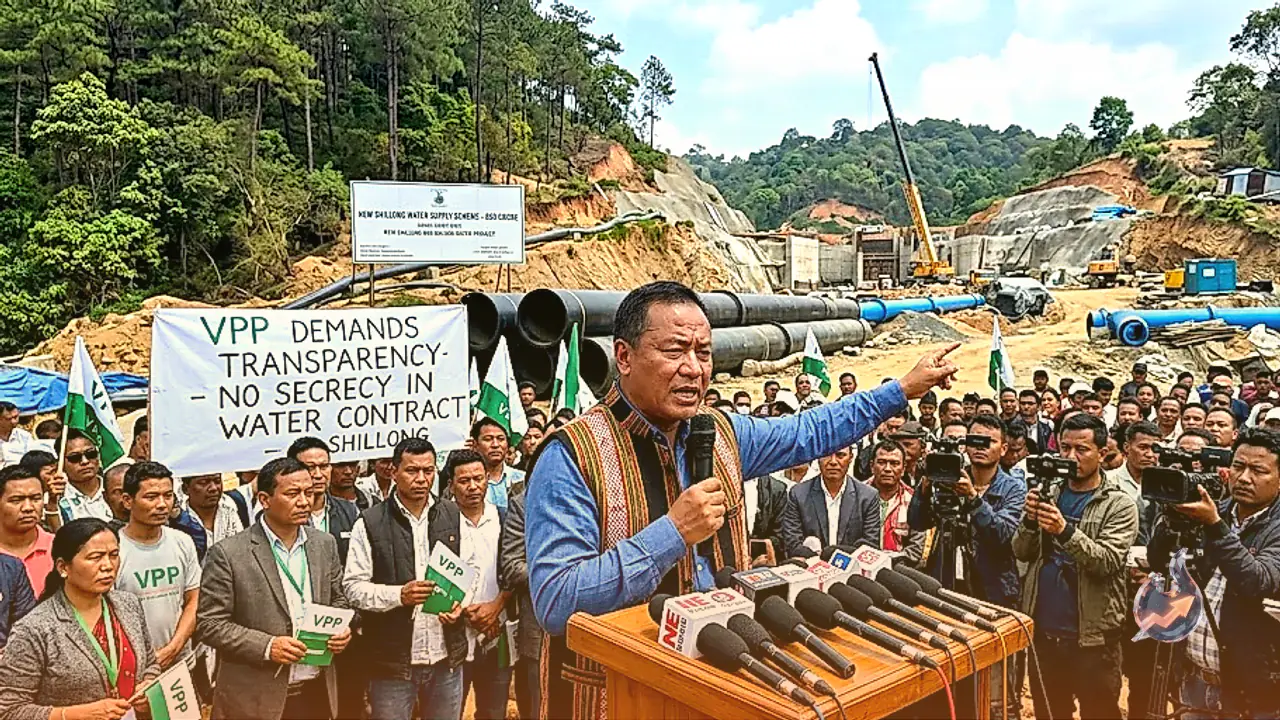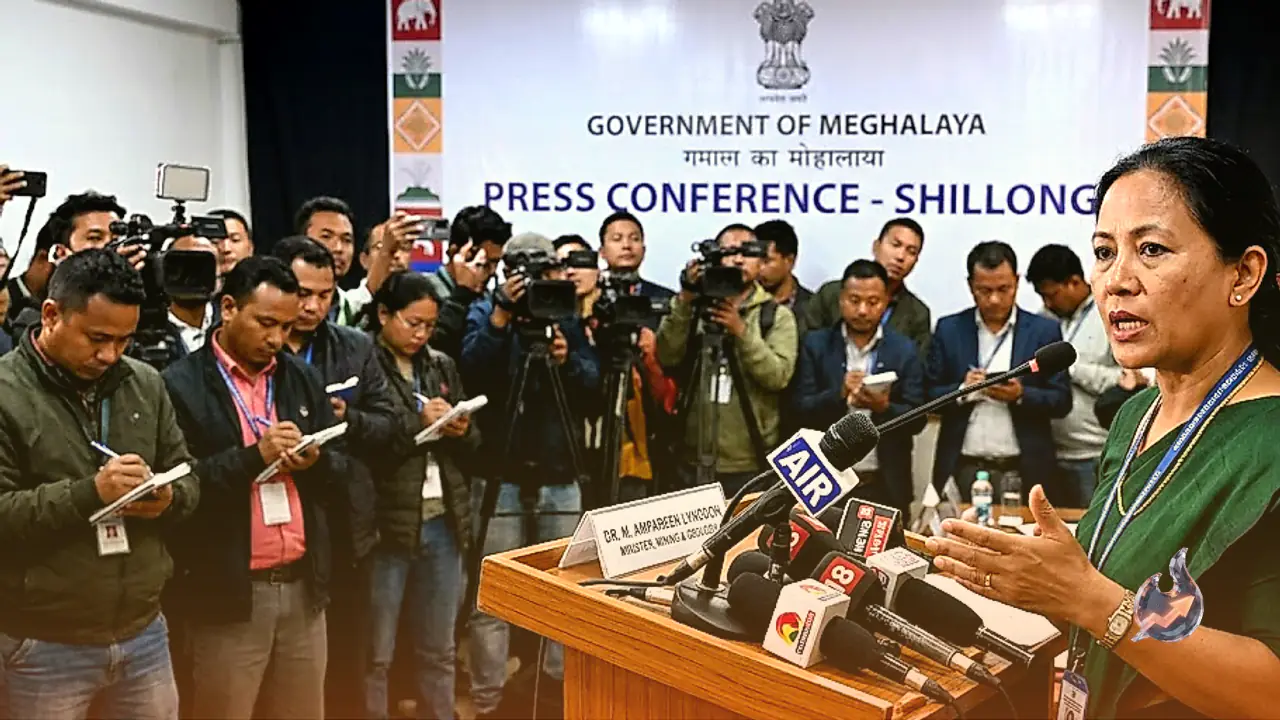























A legislative debate over emergency compensation for victims of a Shillong workplace accident concluded in the Meghalaya Legislative Assembly, with Chief Minister Conrad K Sangma confirming that financial aid had already been extended to the affected families. The issue was initially brought to the floor by Voice of the People Party (VPP) president and Nongkrem MLA Ardent Basaiawmoit during Zero Hour, where he alleged that the state government had failed to provide ex-gratia relief following the fatal industrial incident that claimed five lives. In response, the Chief Minister dismissed the opposition's claims and clarified the specific financial channels used to deliver the support.
Financial Assistance Disbursed via Chief Minister's Special Grant
Addressing the Assembly, Chief Minister Conrad K Sangma firmly rejected assertions that the government had neglected the grieving families. He informed the House that ex-gratia assistance had indeed been released, though it was routed through the Chief Minister's Special Grant (CMSG) rather than the State Disaster Mitigation Fund (SDMF). The Chief Minister noted that stating ex-gratia had not been provided was factually incorrect, as the government had taken swift action to ensure the relatives of all five deceased workers received financial backing from the executive discretionary fund.
Statutory Distinctions Between Disaster Funds and Executive Grants
Elaborating on the funding decision, Sangma provided a clear distinction between the statutory purposes of the State Disaster Mitigation Fund and the Chief Minister's Special Grant. He explained that the mitigation fund is strictly reserved for natural disasters that fall within the formal framework of the State Disaster Response Fund. Because an industrial workplace accident does not qualify as a natural calamity, statutory disaster funds could not be legally applied to this case. Conversely, the Chief Minister's Special Grant provides executive discretion, allowing the head of government to evaluate individual circumstances and release financial support where statutory disaster funds are non-applicable.
Discretionary Relief and the Avoidance of Public Precedents
Explaining why the public was unaware of the financial relief, Sangma stated that the government intentionally chose not to make a formal public announcement. He emphasized that the administration operates on the core principle of acting more and talking less, preferring to support grieving families without making noise, going public, or creating social media reels. Furthermore, the Chief Minister cautioned against establishing an automatic public expectation surrounding discretionary compensation, noting that making CMSG assistance a publicized norm after every accident could create complicated precedents and entitlement expectations across the state.
Opposition Reaction and Reliance on Public Information
Responding to the Chief Minister's clarification, VPP leader Ardent Basaiawmoit defended his decision to submit the Zero Hour notice, explaining that he acted after reviewing published media reports on the matter. The Nongkrem legislator clarified that the notice was brought forward out of duty as a responsible elected official rather than a desire for publicity. He emphasized that lawmakers raised the issue to seek clarity on public concerns and stated that their intention was not to talk more and work less, but to fulfill their oversight role in the legislative assembly.