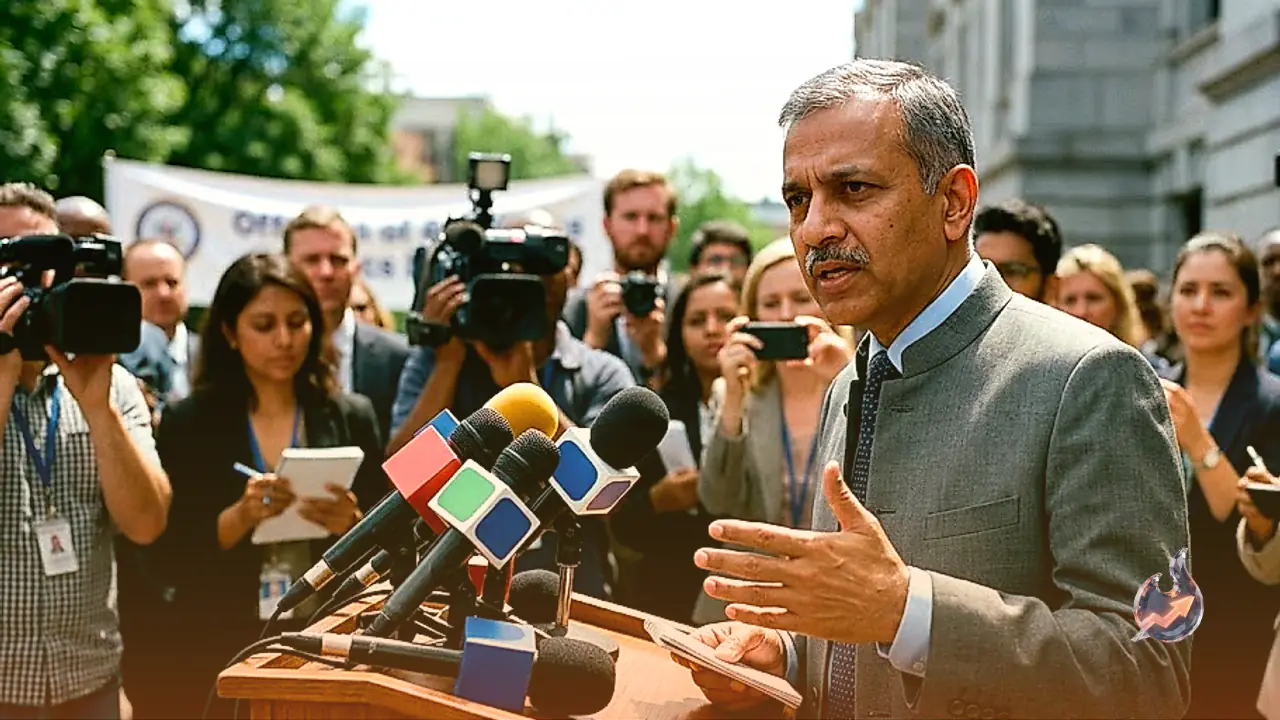




















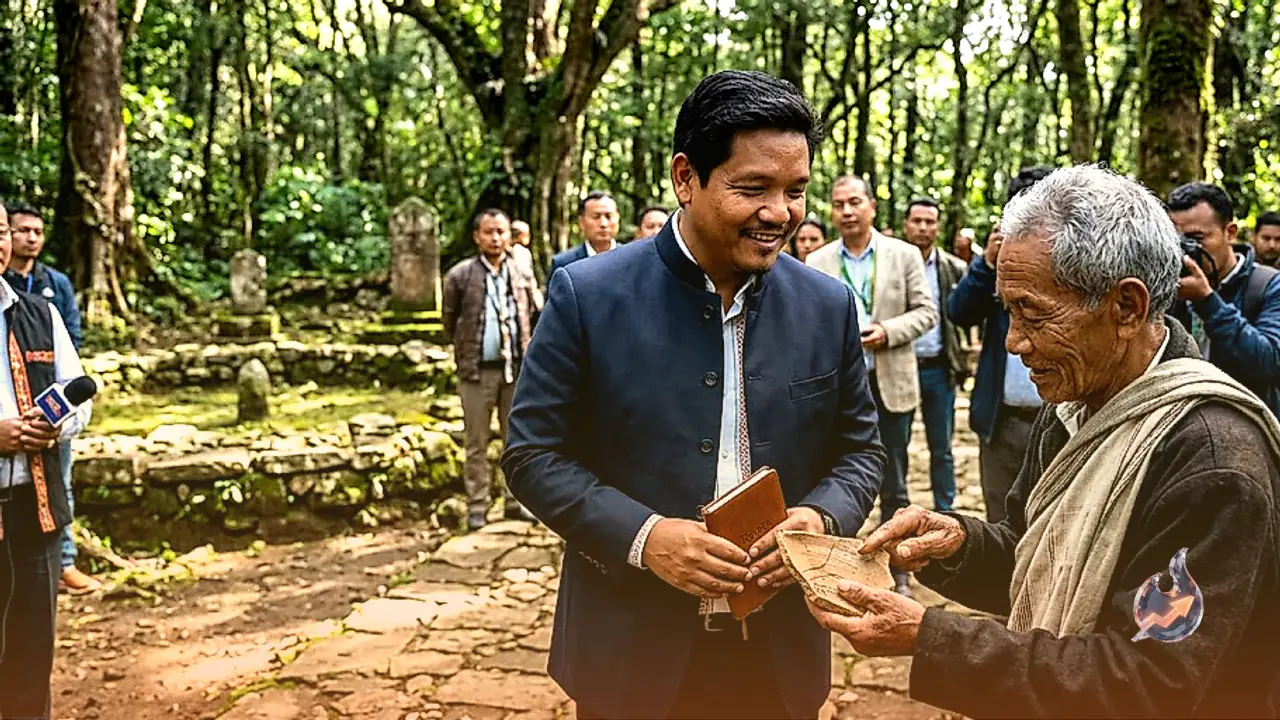

Meghalaya Chief Minister Conrad K. Sangma officially unveiled the state government's 'Tracing the Roots' initiative on Tuesday at the District Auditorium in Tura. The newly launched program is designed to thoroughly document, research, and deepen the collective understanding of the region's indigenous heritage, historical roots, and distinct cultural identity.
Launch Event and Dignitaries
The formal inauguration took place in Tura with several prominent figures in attendance, including Arts and Culture Minister Sanbor Shullai and MLA Mehtab Chandee A. Sangma. The gathering brought together local leaders, cultural experts, and scholars to mark the beginning of this extensive research venture.
Inspiration from Purno Agitok Sangma
During his address, Conrad Sangma revealed that the overarching vision for the research project was directly inspired by his late father, the former Chief Minister of Meghalaya and former Lok Sabha Speaker Purno Agitok Sangma. He formally dedicated the research undertaking to the residents of the state, noting that timing the rollout to coincide with his father's 79th birth anniversary served as a meaningful tribute to his enduring legacy.
Reflections and Past Conversations
Recalling past discussions with his father, the Chief Minister pointed out that P.A. Sangma had often worried about the lack of scientific documentation concerning the origins, historical migrations, and cultural background of indigenous groups in Meghalaya, particularly the Garo community. He described those formative discussions as vital life lessons that eventually laid the groundwork for this institutional undertaking.
Conrad Sangma explained that the idea crystallized roughly two years ago when he concluded that an organized research framework was urgently needed to establish factual evidence regarding the true identity of the local populace.
Fieldwork Across Borders
As part of the comprehensive framework, a total of 75 scholars will travel to Vietnam, Cambodia, and Tibet to investigate the historical trajectories and ancient origins of the Khasi, Jaintia, and Garo populations. The Khasi-Jaintia research unit will specifically examine historical socio-cultural linkages with Southeast Asia, while the Garo research team will evaluate multiple migration theories, including the northern highlands and Tibet hypotheses.
Highlighting the core motivation behind the project, the Chief Minister shared a post on X, reiterating that documenting community history through proper research was a long-standing vision shared by his father.
Digital Archives and Public Access
Authorities stressed that the initiative extends far beyond traditional academic boundaries, aiming instead to reinforce collective memory and heritage awareness. To ensure widespread access to the findings, officials also introduced a dedicated e-portal intended to serve as a central repository for research data and collaborative studies. The completed project is anticipated to enrich digital archives and provide valuable educational material for coming generations.