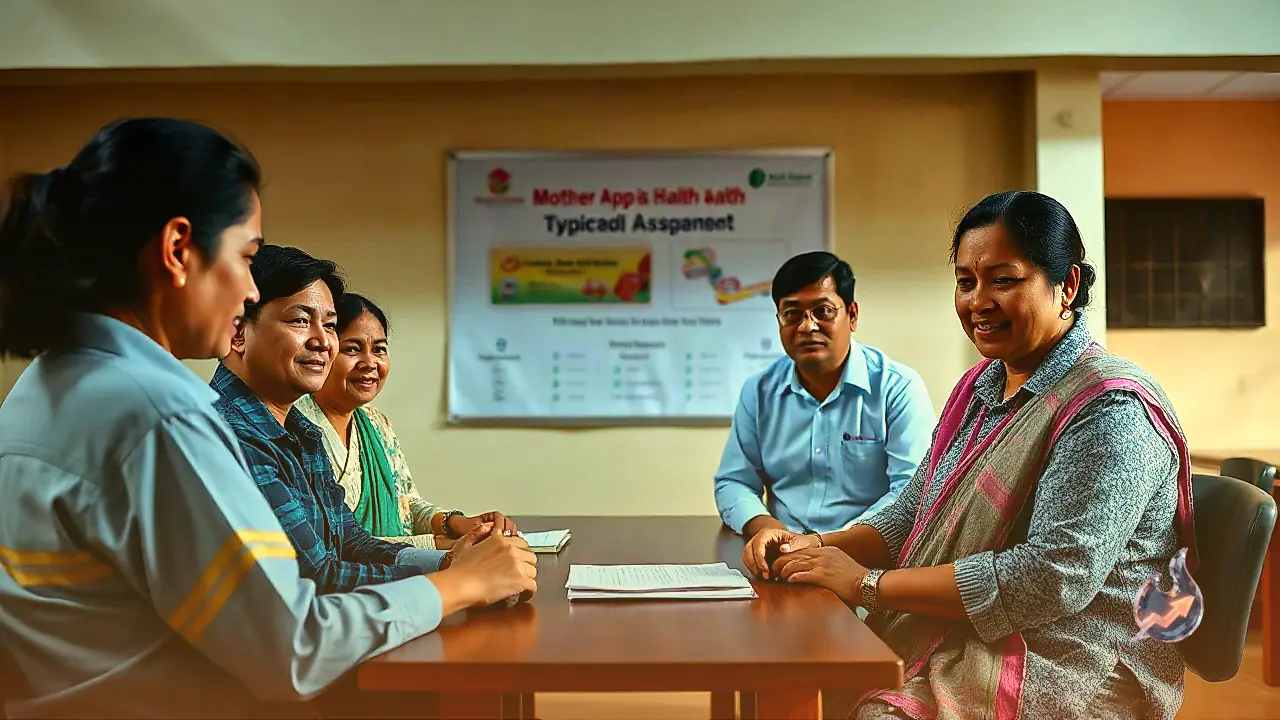

























Meghalaya’s Tobacco-Free Village programme has scaled up significantly during its second year of implementation across East Khasi Hills and West Jaintia Hills. Out of 1,295 Village Health Councils across the two districts, 531 have successfully met the required criteria to earn official recognition as tobacco-free. Launched in 2024 by the National Health Mission Meghalaya in collaboration with the Meghalaya State Rural Livelihoods Society and Sambandh Health Foundation, the initiative has more than doubled its tally of recognized councils compared to the 264 recorded in its inaugural year.
Community Engagement and Grassroots Activities
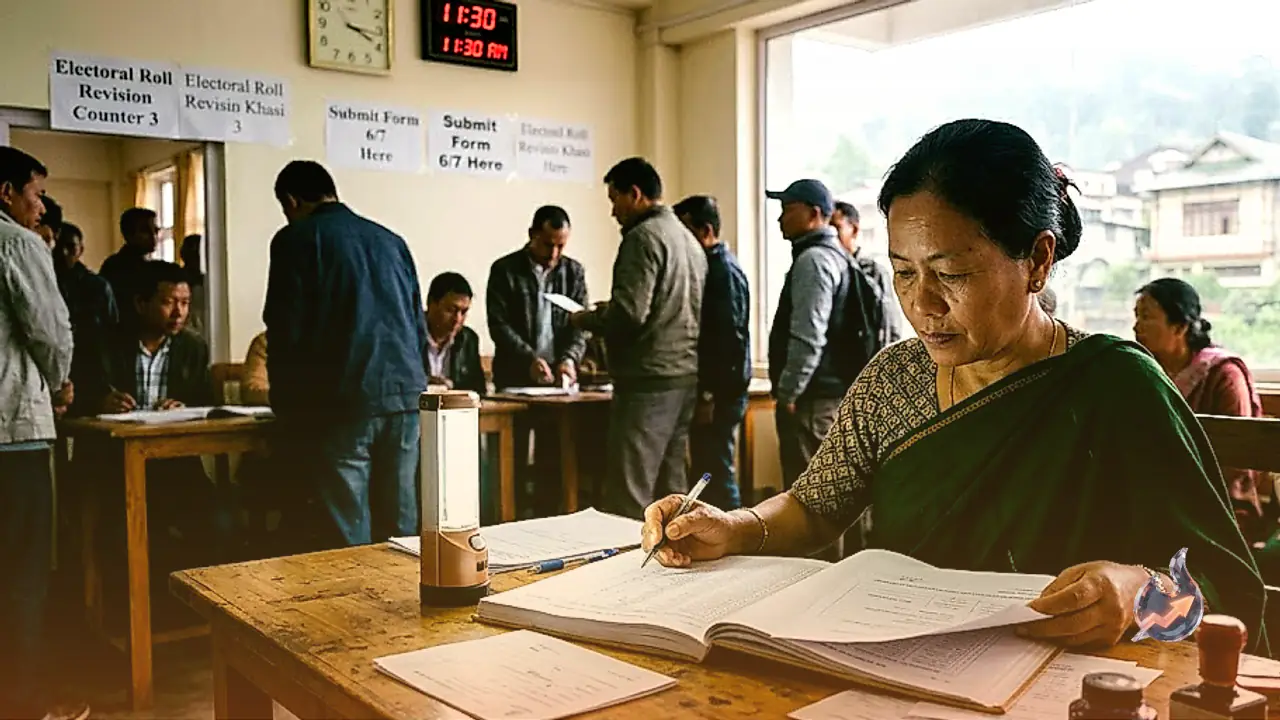
Data from the National Health Mission Meghalaya indicates that 1,039 Village Health Councils are actively rolling out the programme across the two districts. During the second year alone, more than 5,500 anti-tobacco events were conducted, successfully connecting with over 55,000 residents. Dr. Nabaneeta D. Mawrie, State Nodal Officer for the National Tobacco Control Programme under the National Health Mission, emphasized that the campaign relies on empowering communities to take charge of tobacco oversight rather than merely issuing administrative declarations.
Mandatory Measures and Compliance Standards
The Meghalaya framework mandates that participating Village Health Councils complete several specific actions to qualify. These include appointing a dedicated nodal officer, organizing public awareness campaigns, passing resolutions to ban tobacco sales near educational institutions, enforcing strict public smoking bans, and installing warning signage. A council receives formal tobacco-free status only after completing and verifying at least five out of the six prescribed criteria. These efforts have sparked widespread discussions regarding health hazards during community gatherings and self-help group meetings.
Behavioral Shifts at the Village Level
The chairperson of the Village Health Council in Mawmluh, located within Shella Block, noted a noticeable shift in local tobacco habits. According to the chairperson, roughly 40 to 50 percent of villagers have stopped consuming tobacco or smoking in public locations such as tea stalls and transport hubs. Furthermore, between 60 and 70 percent have ceased smoking inside residences, particularly around infants and young children. Nodal officers continue to collaborate closely with local schools to strictly prohibit tobacco sales in surrounding zones.
Institutional Network and Digital Execution
The Meghalaya State Rural Livelihoods Society has been instrumental in rallying local populations through its extensive network of village organizations and self-help groups. Chief Operating Officer Ronald Kynta stated that the organization leveraged its deep community trust to embed tobacco prevention into everyday household conversations. The initiative utilizes a digital implementation framework provided by the Sambandh Health Foundation, with grassroots activists supporting daily monitoring activities.
State Recognition and Future Outlook
Three top-performing Village Health Councils were honored by the state government during the World No Tobacco Day 2026 celebrations in Shillong, receiving appreciation certificates and cash prizes. Dr. Mawrie noted that this localized model has also contributed valuable insights to national standard operating procedures for tobacco-free villages. As the programme enters its third year on September 1, 2026, authorities intend to expand these preventive measures further across the participating districts.