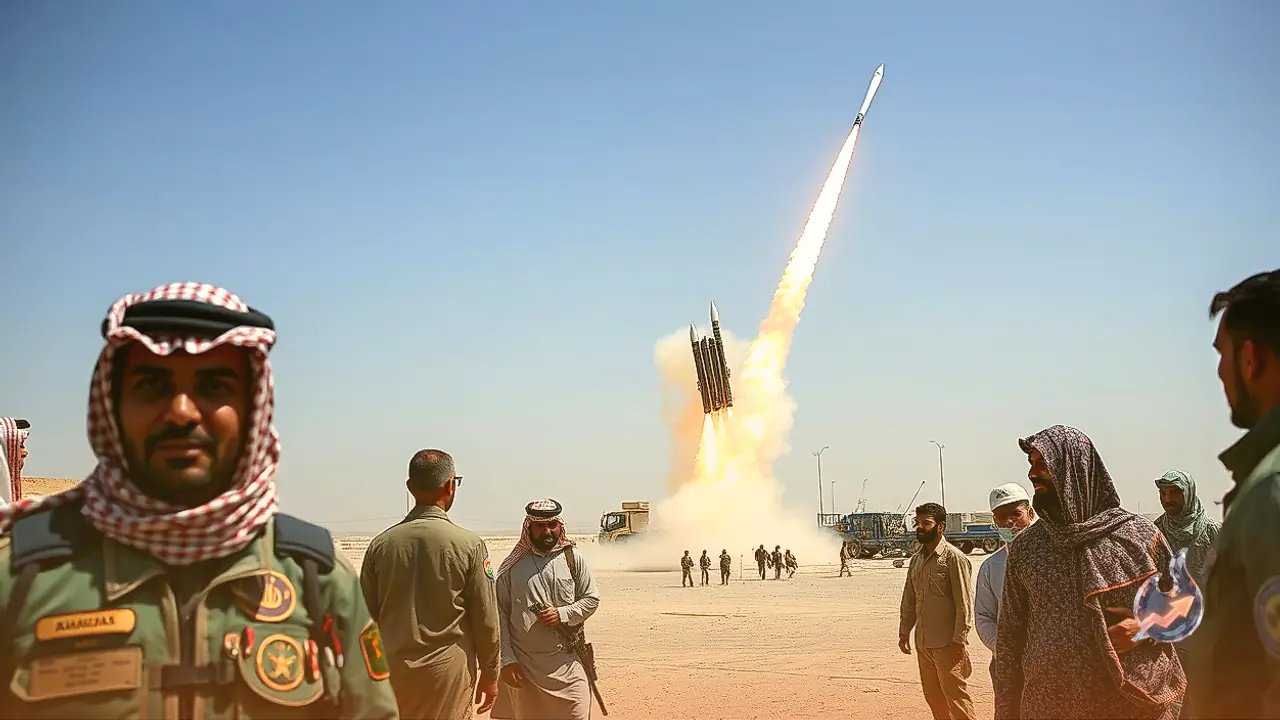






















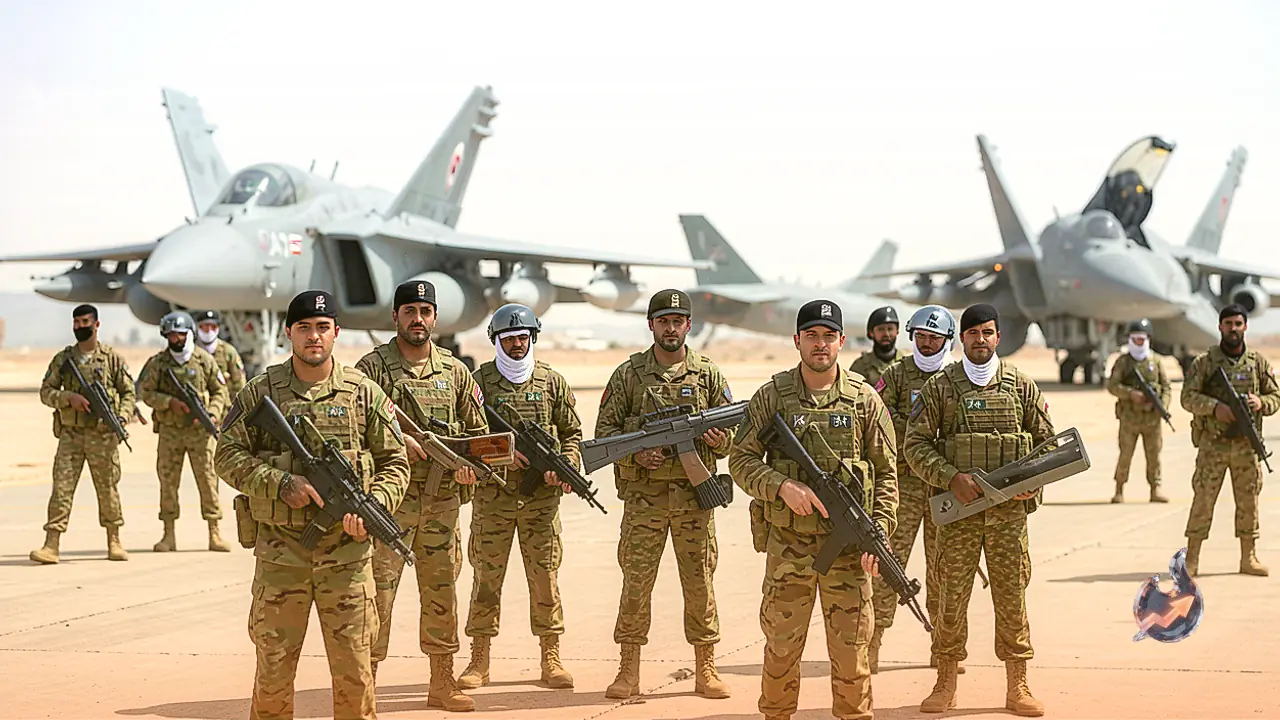

In response to intensifying missile and drone assaults conducted by Houthi forces, the United Kingdom has moved to reinforce Saudi Arabia's defensive shield by dispatching Royal Air Force (RAF) Typhoon fighter aircraft. The defensive deployment, formally sanctioned by Prime Minister Andy Burnham, is designed to safeguard Saudi urban centres and critical national infrastructure against aerial threats originating from the Iran-backed group. This operational decision comes in the wake of repeated strikes aimed at the Saudi capital, Riyadh, along with targeted attacks on coastal energy facilities.
The British military footprint will focus exclusively on protective measures rather than offensive actions. Defence Secretary Wes Streeting confirmed in a written statement on Tuesday that these aircraft will operate strictly in a defensive capacity and will not conduct offensive strikes against the Houthis. By reinforcing Saudi territorial air defence, the deployment intends to neutralize hostile incoming drones and missiles before they can inflict damage on populated communities or economic hubs.
Airport Strikes Trigger Escalation in Regional Friction
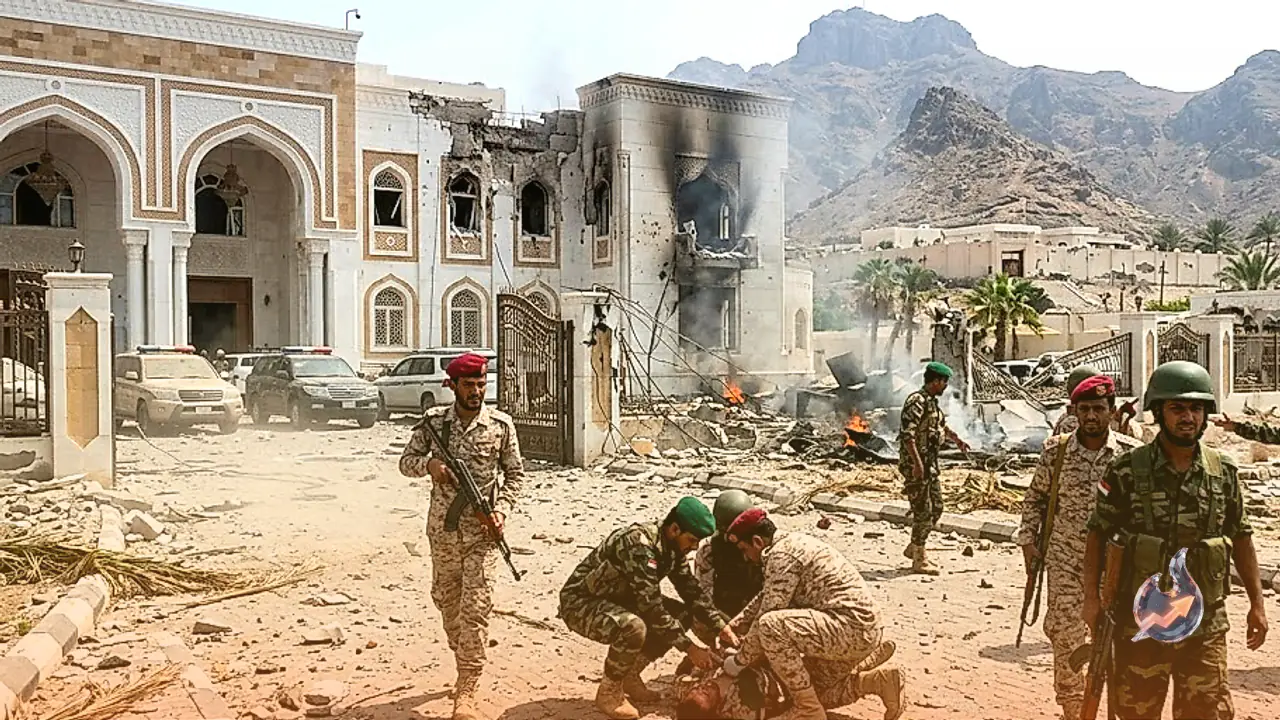
The security deterioration is deeply rooted in the protracted civil war within Yemen, where the Houthis remain engaged in conflict against Yemen's internationally recognised government, an administration backed by Saudi Arabia. Hostilities crossed a critical threshold when Houthi forces claimed responsibility for two successive strikes on Riyadh's King Khalid International Airport on 10 and 11 October. The airport bombardment resulted in 14 fatalities and left more than 300 individuals injured, marking one of the most severe attacks on Saudi civilian aviation infrastructure.
Houthi commanders have framed their cross-border operations as retaliation for strikes carried out on territories under their control across western Yemen, including the capital city of Sanaa. Addressing the attack on the capital's international transit terminal, Defence Secretary Wes Streeting pointed out that targeting Riyadh airport demonstrates the lengths to which the Houthis are willing to go to escalate tensions throughout the region. Streeting stated that this dangerous expansion of targets directly led to the approval of expanded British military assistance.
Logistical Assets and Expanded Aerial Refuelling Support
Beyond the frontline RAF Typhoon combat jets, the British deployment encompasses comprehensive operational backing. The UK is sending military advisers to assist Saudi forces, alongside an RAF A400M transport aircraft tasked with facilitating the rapid transfer and movement of defence equipment across Saudi territory. This logistical presence is intended to ensure that defensive installations and surface-to-air systems can be supplied and maintained without interruption.
The newly announced package builds upon ongoing security cooperation between the two nations. The UK already supplies Saudi Arabia with specialized defensive equipment engineered to counter aerial incursions, as well as critical air-to-air refuelling capabilities that support defensive Saudi sorties. The British government has now confirmed that this refuelling mission has been formally extended for an additional 90 days, enabling Saudi patrol aircraft to maintain longer airborne watches over vulnerable corridors.
Global Energy Security and Continuing Threats
The geopolitical fallout of the Gulf confrontation reaches far beyond regional military theatres. Defence Secretary Streeting highlighted the economic repercussions of maritime and aerial disruption, noting that mounting instability across the Gulf threatens energy supplies and drives up daily living and operating costs for families and commercial enterprises internationally. Securing key coastal energy infrastructure remains critical to preventing widespread economic disruptions.
Despite international warnings, the prospect of an immediate cooling of hostilities appears remote. Earlier in the month, Houthi military spokesman Brig Gen Yahya Saree publicly declared that the movement would sustain escalating operations deep inside Saudi Arabia. With both sides maintaining a confrontational posture, the arrival of British defensive assets underlines the urgent effort to prevent high-casualty strikes against civilian centres and vital energy conduits.