





















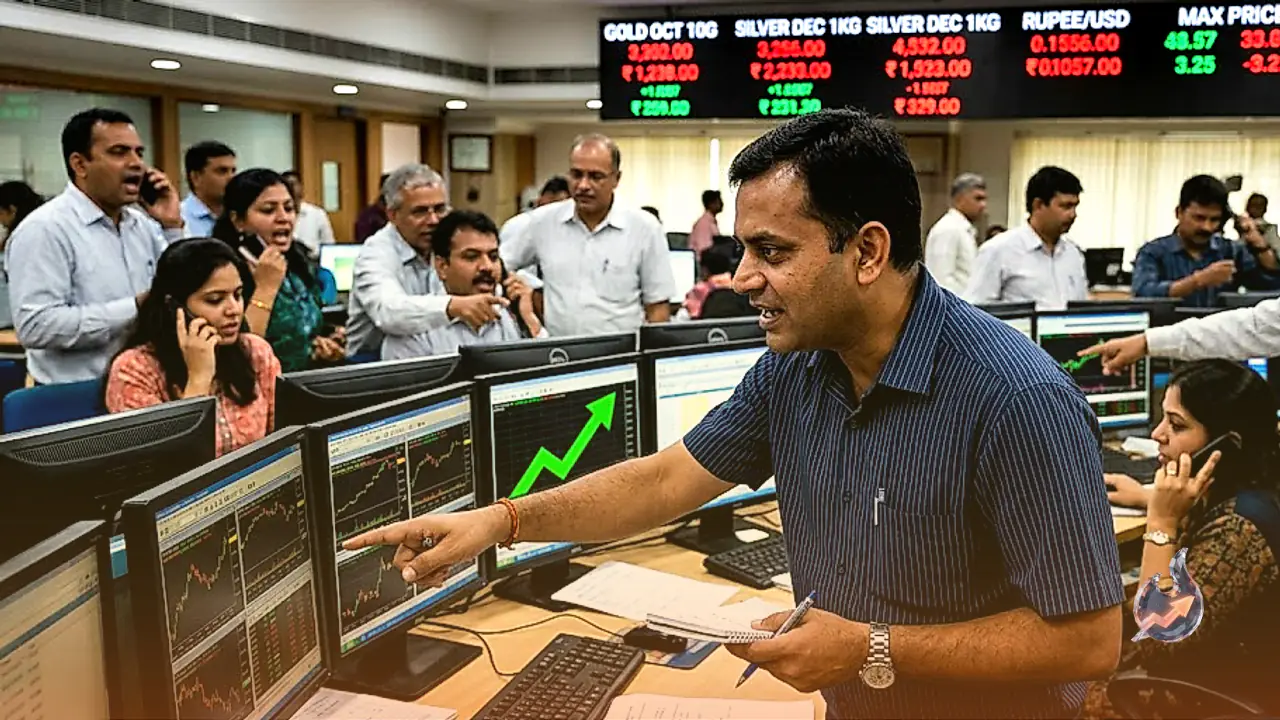

Bullion markets across India are witnessing an unprecedented price rally, pushing both gold and silver well beyond the reach of everyday retail buyers. In an extraordinary market development, silver is demonstrating historic strength, outperforming traditional expectations as physical prices touch unprecedented territory. Spot retail values show gold trading around 1 lakh 46000 per 10 grams, while silver has climbed to approximately 2 lakh 75000 per kilogram. This remarkable appreciation has brought fresh attention to the precise financial mechanics that govern precious metal pricing in India, as well as the underlying global catalysts driving this extended climb.
The Core Formula Determining Domestic Bullion Rates
Precious metal rates in India are not directly fixed or mandated by the government. Instead, final retail figures represent the aggregate result of complex global benchmarks and domestic fiscal components. Ram Avtar Verma, Chairman of The Bullion and Jewellers Association in Kucha Mahajani, explains that foreign currency valuations play the fundamental role in shaping daily price cards. Because gold and silver are globally benchmarked and traded in United States Dollars (USD), the conversion value of the Indian Rupee against the Dollar directly dictates the base landing cost of every imported ounce.
To understand how consumer pricing materializes, industry experts rely on a standard composite formula. In simple terms, the final price of gold and silver in India equals the international spot benchmark plus the prevailing dollar exchange rate, custom import duties, Goods and Services Tax (GST), and localized operational or handling expenses. When international rates firm up or the domestic currency weakens against the dollar, import expenditures rise immediately. Once government levies, consumption taxes, and local supply chain costs are added to this baseline, retail jewelers adjust their physical counter prices to reflect these compounded pressures.
Geopolitical Shifts and Sovereign Buying Fueling the Climb
The prolonged rally in precious metals stems from substantial macroeconomic and geopolitical realignments. Ram Avtar Verma highlighted that following the move by US President Donald Trump to raise tariff rates on India, domestic gold and silver values have maintained a steady, sharp upward path. These heightened trade tensions have compounded broader anxieties surrounding global commerce and traditional currency stability.
Simultaneously, confidence in the US dollar has experienced erosion among global investors and institutions, leading to an accelerated migration toward hard assets. Precious metals have increasingly re-emerged as the primary safe haven against monetary instability. As a result, sovereign nations across the globe, including India and China, have been purchasing substantial volumes of gold and silver to fortify and safeguard their national financial reserves. This widespread, institutional-scale accumulation by international authorities has significantly constrained circulating supply while elevating global demand, forcing market valuations steadily higher.
Market Outlook and the Fading Prospect of Relief
Financial authorities recognize that robust physical reserves of precious metals provide vital stability to any country's economic standing. The intense, competitive accumulation carried out by sovereign nations has created a resilient price floor that resists steep corrections. Based on assessments by Ram Avtar Verma, there is virtually no indication that gold or silver will turn cheaper in the foreseeable future.
Within the jewelry and bullion trade, prevailing expectations indicate that prices are positioned to climb further rather than retreat. The structural shift witnessed over recent months marks a permanent transition for the sector. While bullion historically traded within modest thousands of rupees, transactions now take place firmly in the bracket of multiple lakhs. Market insiders widely agree that the era of low, four-figure precious metal prices has ended, with little prospect of rates returning below current historic ranges.