


















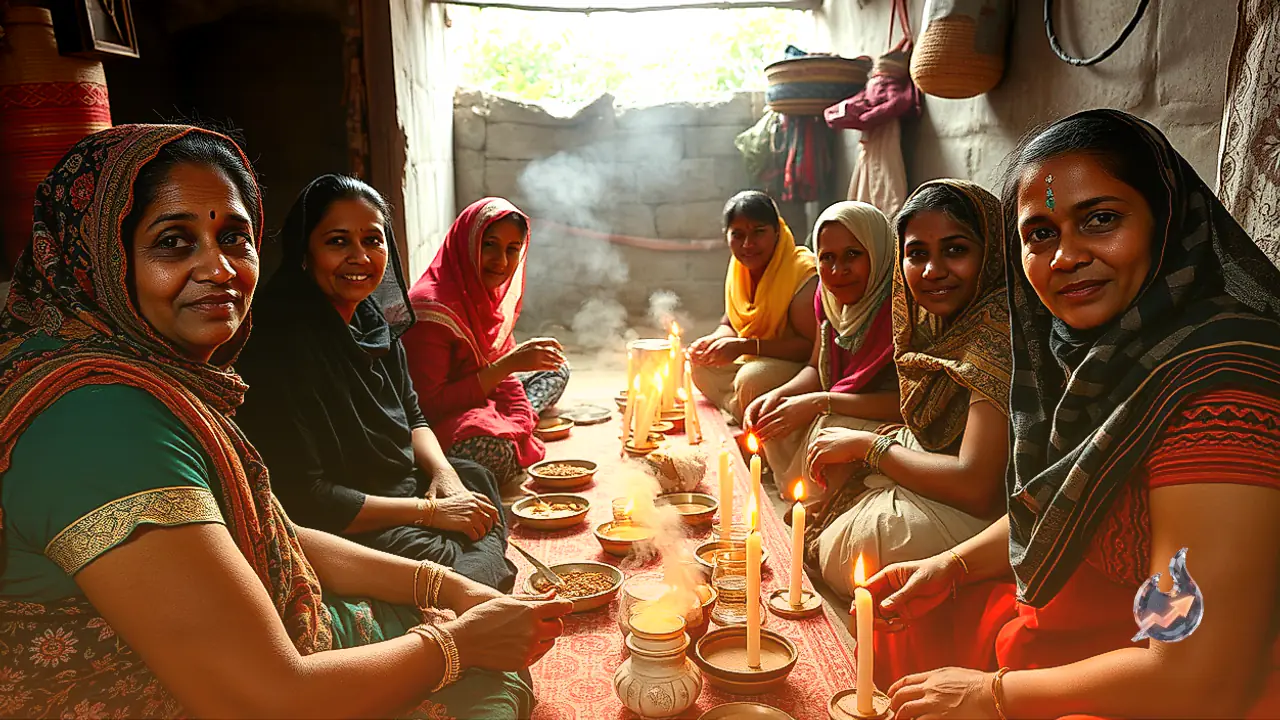

Setting up micro enterprises right from household premises is creating fresh livelihood pathways for women in Amethi. Rather than migrating or searching for external jobs, rural residents are establishing low-capital production units centered on goods that maintain consistent demand across all seasons. Whether during harsh summers, monsoon spells, or winter months, these everyday consumer items witness uninterruptible market intake throughout the entire year.
Year-Round Spiritual Demand Drives Havan Mixture Production
Given the regular observance of religious ceremonies, rituals in temples, and domestic prayer practices, sacred havan mixtures enjoy permanent market demand. Capitalizing on this continuous consumption pattern, local producers are blending and packing this offering directly at home. The formulation relies on 30 to 31 specific raw items, including sandalwood bark, cloves, loban resin, sugandha, and finely ground mango wood.
By combining these traditional elements, an operator can comfortably manufacture between 50 and 60 kilograms of havan mix within a brief window of two to three days. The total preliminary expense involved in acquiring the materials stands around 2,000 to 3,000 rupees. Once packaged, the finished product sells readily at prices ranging from 30 to 50 rupees per kilogram, generating an income level of 25,000 to 30,000 rupees against nominal operational outlays.
Low Startup Costs Make Candle And Incense Making Viable
Parallel to ritual mixtures, the production of incense sticks and decorative candles has emerged as an accessible undertaking requiring minimal physical machinery. For candles, raw wax is sourced, melted, and poured into designated shaping molds. Utilizing an initial raw material outlay of just 1,000 to 2,000 rupees, producers are generating yields that translate into 15,000 to 20,000 rupees in earnings, proving that substantial returns do not necessarily demand heavy industrial setups.
Self-Help Collectives Break Borrowing Dependence
Working through collaborative groups has altered the personal finances of participating women. Neeta Rao, a participant involved in these collectives and production ventures, noted that the initiative brought immense relief to her household. Prior to joining the collective, she faced recurrent monetary distress and had to take loans from outside acquaintances to manage routine obligations. Today, women work flexibly from home according to their own domestic routines, crafting merchandise in direct response to customer requirements and elevating their standard of living.
Technical Skill Upgradation Under National Rural Livelihood Mission
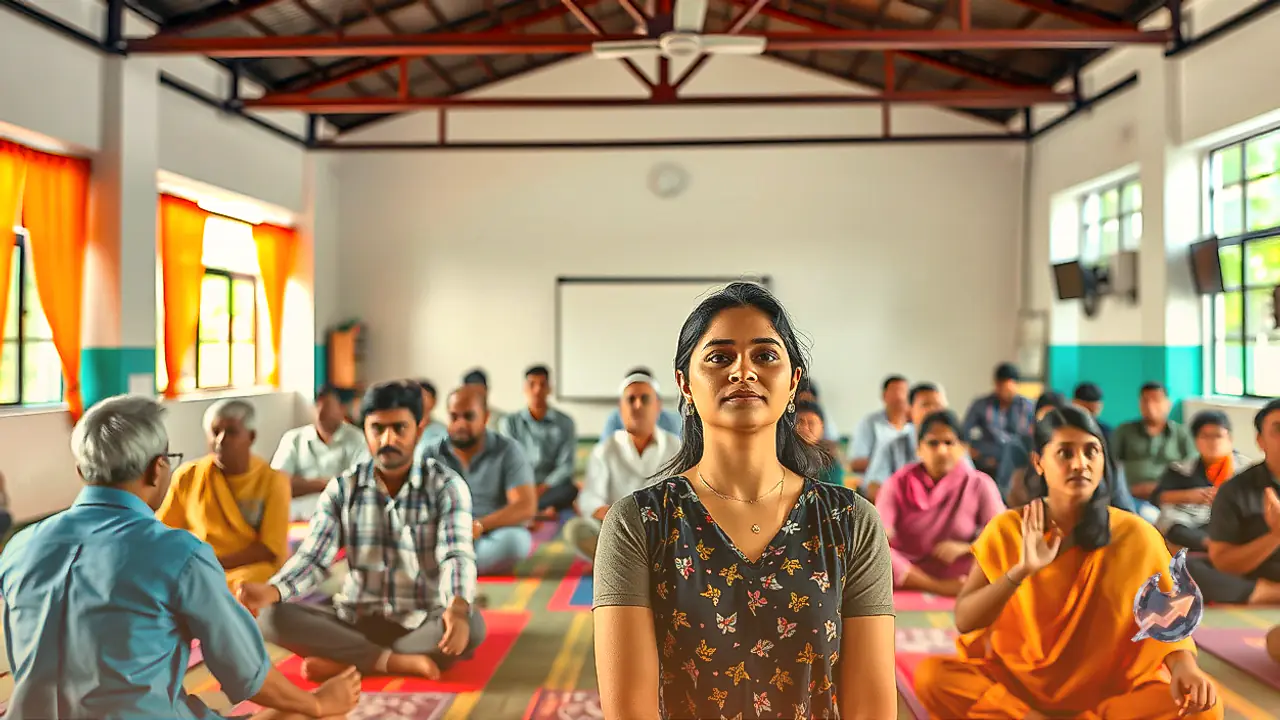
To sustain these local economic efforts, the National Rural Livelihood Mission (NRLM) conducts structured skill sessions. Departmental officer Prakash Jaiswal stated that women receive free training modules tailored specifically to the production and commercial needs of their respective areas. This institutional backing has allowed participants to achieve self-reliance while executing their small-scale business plans with greater operational clarity.