



















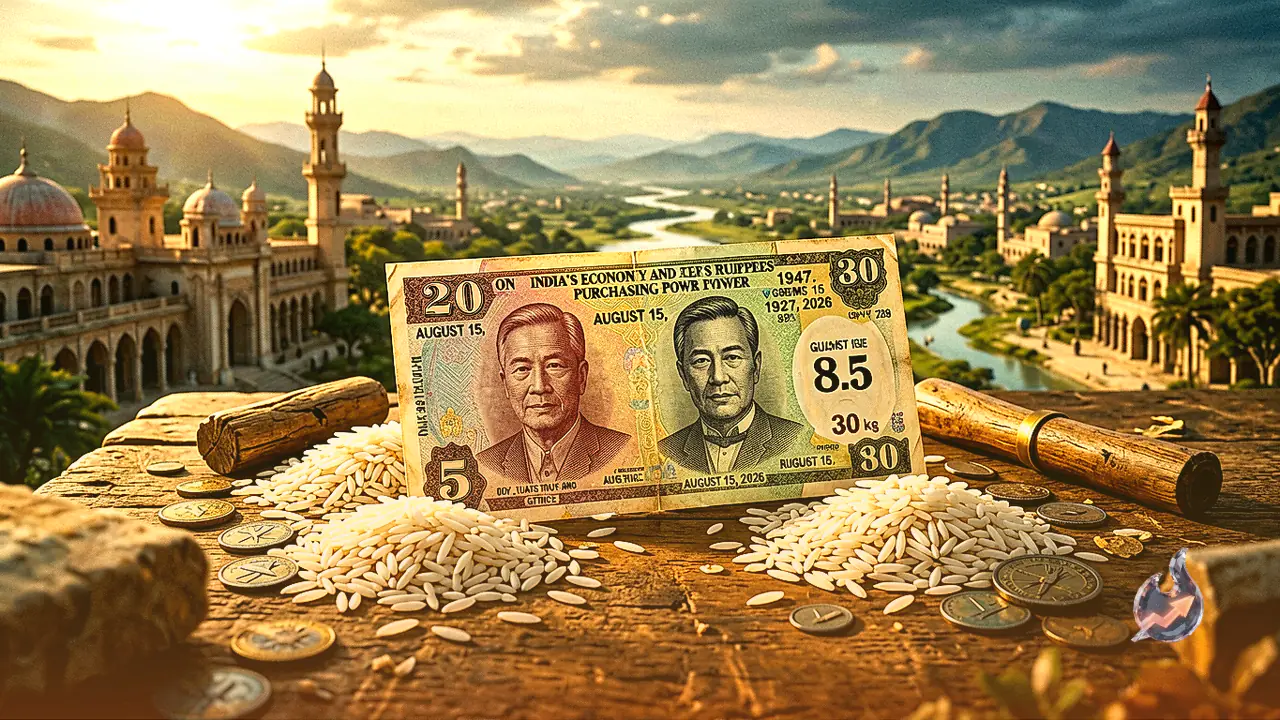

When India attained independence on August 15, 1947, a single rupee coin carried enough purchasing power to fill an entire household shopping bag with essential commodities, fuel, and dairy products. Fast forward seventy-nine years to August 15, 2026, and that very same one-rupee coin cannot even buy a fraction of a spoonful of rice or a few drops of milk. This stark contrast highlights the vast economic transformation and price escalation that has swept across the nation over the past seven decades.
The Currency Structure and Economic Conditions of 1947
Understanding the value of money in 1947 requires looking at how the currency was structured. On August 15, 1947, the Indian rupee was not organized around the modern decimal system used today. Instead, one rupee was divided into 16 annas. The newly independent nation was stepping into a challenging economic environment characterized by widespread shortages of essential food supplies, mandatory government rationing, and significant price variations across different cities and regions.
Because market conditions were fragmented and price controls varied from place to place, comparing retail rates between 1947 and August 2026 serves as a broad economic benchmark rather than a precise nationwide price schedule. Nevertheless, historical data from that era offers a fascinating look into the sheer buying power that a single rupee once commanded in daily life.
Comparing Essential Daily Commodities Across Eight Decades
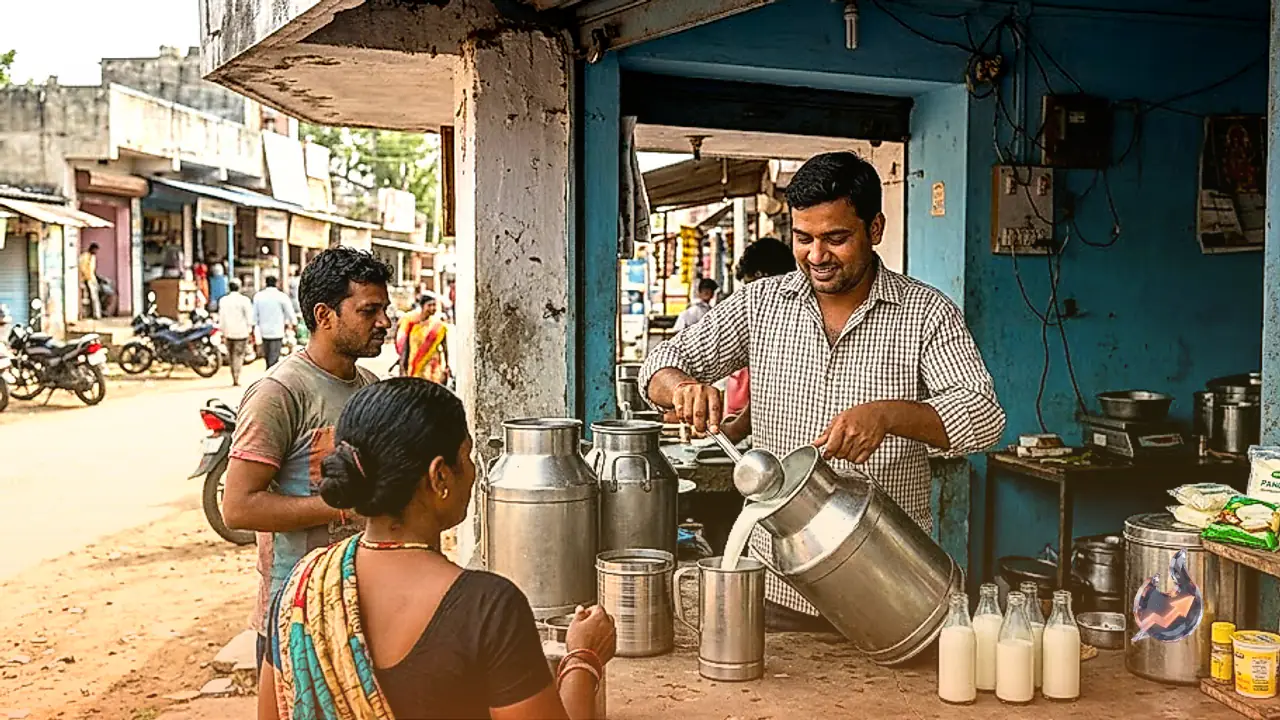
In 1947, staple food items like rice were available at approximately 12 paise per kilogram. At that rate, a person holding a one-rupee coin could take home roughly 8.3 kilograms of rice. Milk was similarly priced at around 12 paise per liter, allowing one rupee to purchase about 8.3 liters of fresh milk. Fuel was also remarkably inexpensive by modern standards, with petrol costing approximately 27 paise per liter, meaning one rupee yielded nearly 3.7 liters of fuel.
By August 2026, the retail landscape presents a completely different reality. The all-India average retail price for rice stands at around 33 rupees per kilogram. Consequently, a single rupee can now purchase only about 30 grams of rice. In Delhi, petrol prices hover around 102 rupees per liter, meaning one rupee buys less than 10 milliliters of fuel. The situation with dairy is equally telling: in the Delhi-NCR region, standard full-cream packaged milk costs approximately 69 rupees per liter, meaning a one-rupee coin secures just 14 to 15 milliliters of milk.
The Massive Shift in Gold Purchasing Power
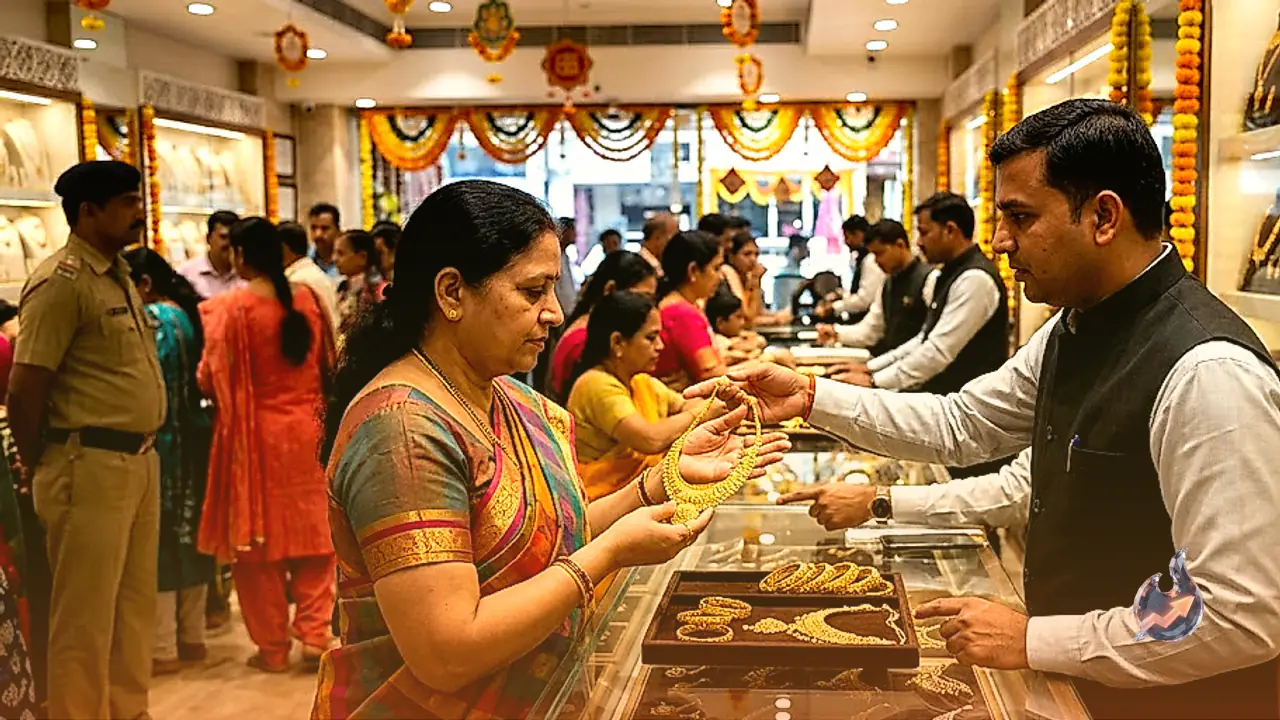
Precious metals highlight an even more dramatic shift in currency value over time. Historical economic records indicate that in 1947, ten grams of gold cost around 88 rupees. This meant that a single rupee could buy approximately 0.11 grams of gold, which was equivalent to more than 100 milligrams of the precious metal.
On August 15, 2026, 24-carat gold in Delhi trades at approximately 1.48 lakh rupees per 10 grams. At this modern valuation, one rupee can purchase only about 0.067 milligrams of gold. Put another way, the amount of gold that a single rupee could buy on the day of independence in 1947 would be worth well over 16,000 rupees in today's market.
Why Cheaper Prices Did Not Mean Higher Wealth
While these historical comparisons are eye-opening, economists emphasize that lower commodity prices in 1947 should not lead to the conclusion that citizens were wealthier back then. During that period, average wages were extremely low, consumer choices were severely limited, industrial manufacturing was in its infancy, and a massive proportion of the population lived in deep economic hardship.
Furthermore, evaluating the true purchasing power of money solely on the basis of a few basic goods provides an incomplete picture. Over the past 79 years, essential categories such as housing, labor wages, public services, transportation networks, and modern technology have evolved at drastically different rates across the country.
Two Stories Narrated by a Single Coin
This long-term comparison illustrates a fundamental structural shift in the Indian economy. India has transitioned from an era where a single rupee was a substantial monetary unit capable of funding everyday household needs to a modern economy where a one-rupee coin has become largely nominal in transaction value.
Ultimately, this narrative extends far beyond simple inflation figures. It reflects the broader tale of rising income levels, large-scale industrial production, expanding urbanization, technological integration, and the overall expansion of the national economy since 1947. The modest one-rupee coin tells two parallel stories: how significantly prices have increased, and how profoundly India itself has developed as a nation.