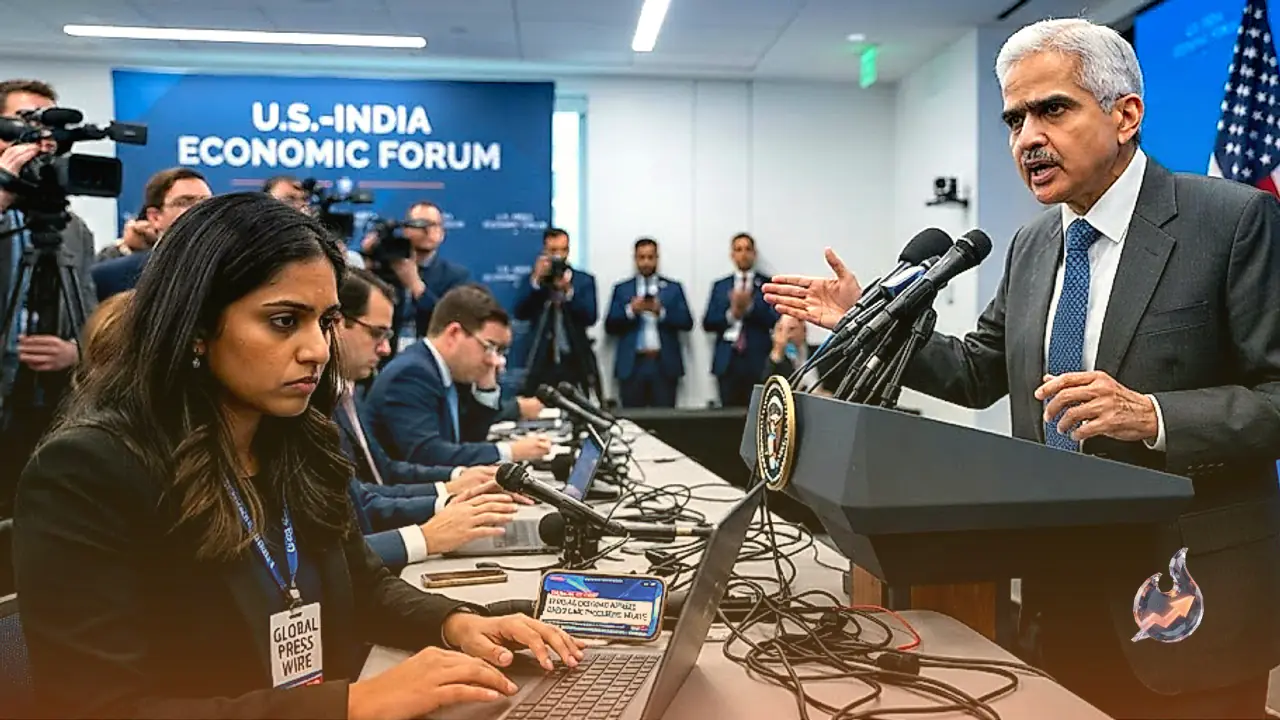



















Airtel Money, the dedicated digital financial services arm of Airtel Africa, has officially commenced conditional trading on the London Stock Exchange. The move stands out as one of the most substantial corporate market debuts in London over recent years. Shares began changing hands on Friday, October 9, establishing trading activity on the back of an initial public offering issue price pegged at £1.96 per share. That pricing structure confers an implied market valuation of roughly £5.3 billion, which translates to approximately $7 billion.
Trading Performance on the Opening Session
During its initial session of conditional dealings, Airtel Money equity hovered right around its baseline flotation level before gaining modest ground. The stock advanced as much as 2% to touch £2, trading just above the flotation benchmark of £1.96 per share. Observers noted that the initial market reception appeared relatively subdued despite the overall scale and financial profile associated with this landmark listing, as investors took a measured view on the opening day.
Size of the Share Offering and Capital Raised
The core terms of the public offering encompassed 270 million existing shares priced firmly at £1.96 apiece. This main tranche of the offering successfully generated proceeds of approximately £529 million, equivalent to around $700 million. Structuring terms also incorporate an over-allotment provision encompassing up to 27 million supplemental shares. In the event that this greenshoe mechanism is exercised to its maximum limit, the aggregate valuation of the share sale would expand to roughly £582 million.
Understanding the Secondary Share Sale Mechanics
A central dynamic for market participants observing this offering involves the destination of the generated capital. The transaction was structured strictly as a secondary share sale. Under this framework, the proceeds accumulated from the share disposal flow entirely to existing equity holders offloading portions of their holdings, rather than being injected directly into Airtel Money for balance-sheet cash reserves. Consequently, Airtel Money itself receives none of the monetary windfall generated by the base distribution.
Divesting Investors and Strategic Ownership
The individuals and institutions paring down their investments comprise existing minority equity partners. Entities identified among the selling shareholder base include the Qatar Investment Authority, payments network Mastercard, and the TPG-backed Rise Fund II Aurora. Conversely, parent enterprise Airtel Africa confirmed that it is not parting with any of its equity holding during this distribution cycle. Airtel Africa maintains a firm strategic focus, intending to stay on as a dedicated long-term investor and retaining its role as a pivotal shareholder in Airtel Money subsequent to this market entry.
Implications for the African Financial Technology Ecosystem
The debut of Airtel Money on the London trading floor has captured significant attention across the global investment community. The traction stems not merely from the sheer capital footprint of the transaction, but also from the symbolic weight a primary London listing carries for the wider African financial technology environment. The development highlights how mobile money and digital banking infrastructure platforms rooted in developing territories can directly tap mature European equity markets to realise substantial international valuations.