





















The Reserve Bank of India has initiated a targeted operational strategy to curb the influx of fake currency into the financial system. On Friday, the central bank instructed all banking institutions across the country to ensure that every branch situated in districts along international borders is equipped with modern note sorting and authentication machines. This decision aims to intercept counterfeit banknotes at entry points near border zones, preventing them from penetrating the broader national economy.
Strengthening Oversight in Border Districts
Border regions have historically been vulnerable to illegal networks attempting to inject Counterfeit Indian Currency Notes into mainstream banking channels. A recent assessment conducted by the central monetary authority revealed that detection efforts across certain bank branches fell short of required standards. To eliminate these operational vulnerabilities, the central bank has instructed commercial banks to conduct a comprehensive review of their internal procedures. The objective is to bolster institutional capability, enhance readiness, and build a robust framework for identifying and stopping illegal currency at the frontier itself.
Mandatory Staff Training and Automated Verification
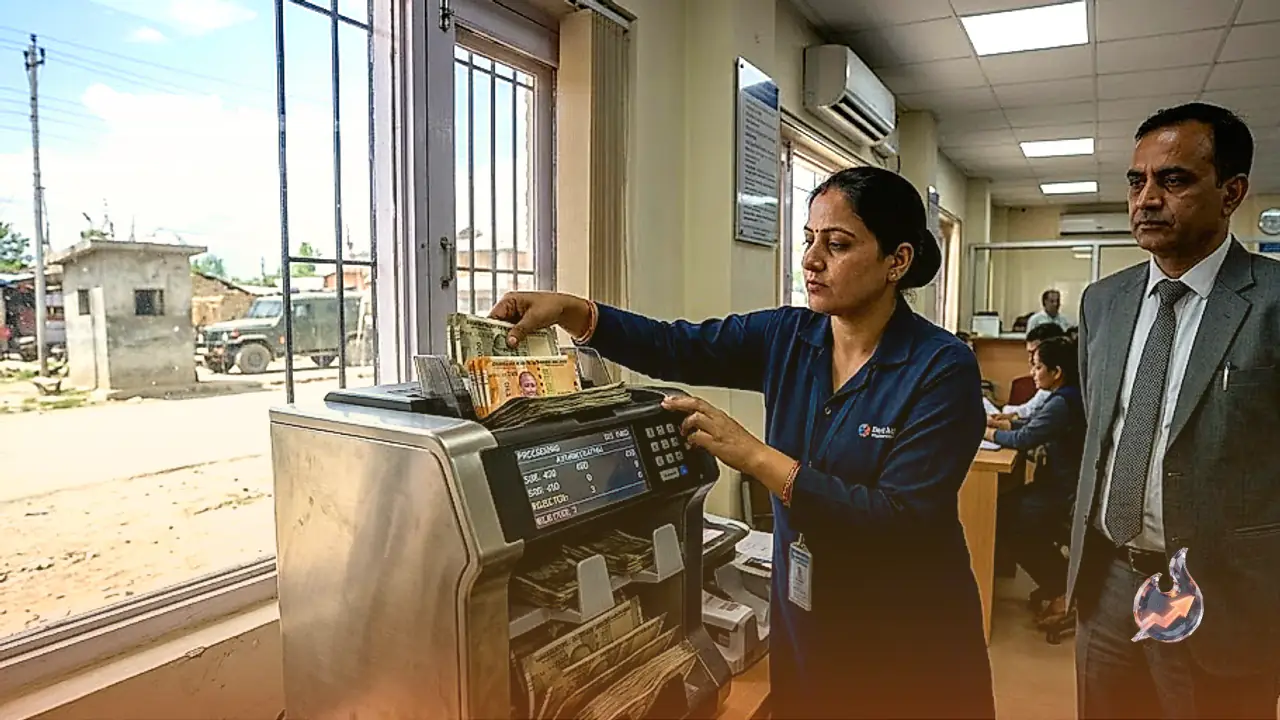
Under directives issued earlier in April through a Master Direction, banks are now obligated to implement structural improvements in cash handling. Banking entities must provide thorough training to all personnel dealing with cash transactions, focusing on the security features embedded within genuine Indian currency notes. Furthermore, every single banknote received at bank counters or through deposit channels must undergo verification via automated note authentication equipment. Relying solely on manual inspection is no longer permissible, ensuring uniform standards of detection across all branches.
Strict Protocols for Impounding Counterfeit Currency
The central bank has outlined non-negotiable guidelines regarding the handling of detected counterfeit notes. If a fake banknote is identified during a transaction, bank staff are strictly prohibited from returning the note to the presenter under any circumstances. Simultaneously, individual bank branches do not hold the authority to destroy or dispose of counterfeit notes independently. Every detected fake note must be impounded immediately, and full documentation detailing the identified counterfeit currency must be submitted to relevant regulatory authorities as per prescribed protocol.
Context of Anti-Counterfeiting Measures Since 2016
Counterfeit currency has remained a persistent threat to economic stability and national security. In 2016, the government executed demonetization by withdrawing ₹500 and ₹1,000 currency notes from circulation to dismantle fake note syndicates. Subsequently introduced ₹2,000 denomination notes were also systematically withdrawn from the banking ecosystem by the monetary authority. Despite these macro level interventions, illicit currency networks continued to pose challenges. The latest mandate requiring tech enabled verification at border branches represents a localized, precision driven effort to choke supply lines at their source.