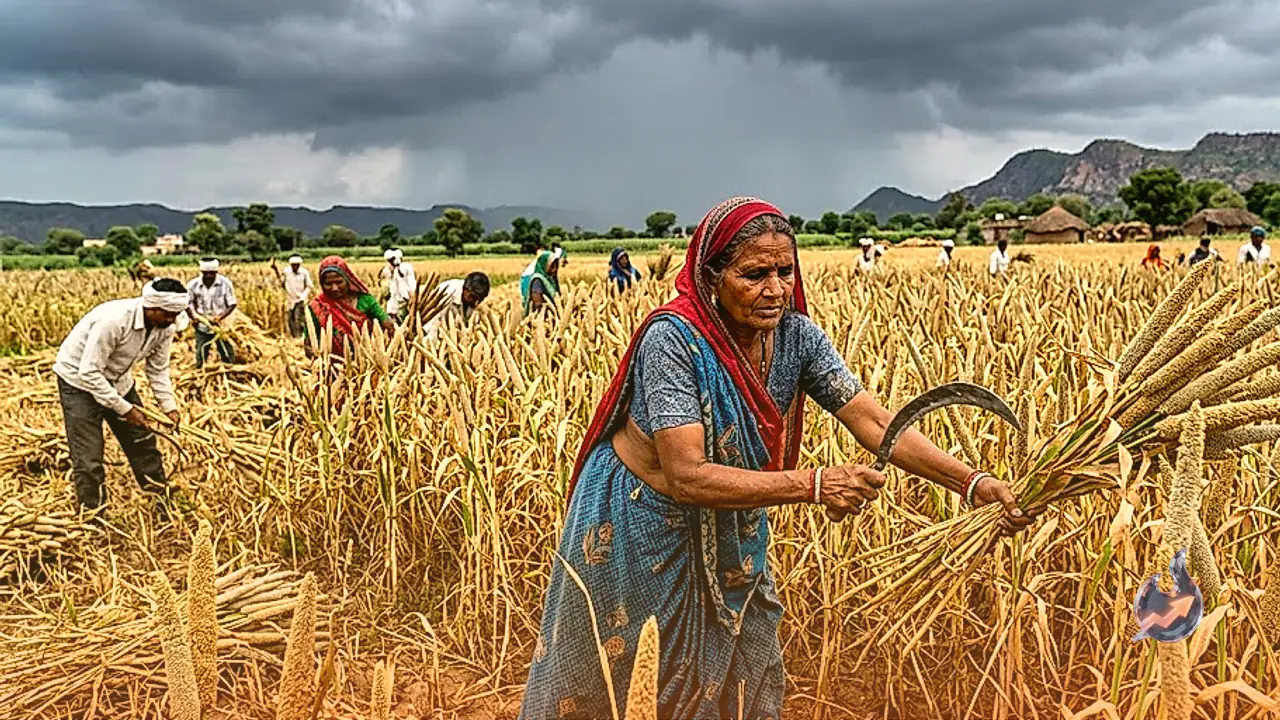

























Farmers in Rajasthan are increasingly moving beyond traditional crop cultivation and exploring spice farming to boost their revenues. Turmeric stands out as a prime crop that can serve as an effective secondary source of income for growers in the region. Both central and state administrations operate various initiatives aimed at promoting horticulture and spice production, offering eligible agriculturalists financial assistance to support their ventures.
The Growing Significance of Turmeric
Turmeric is an essential spice widely used in everyday cooking, Ayurvedic medicines, and numerous other commercial sectors. Across many parts of Rajasthan, producers are embracing less traditional yet high-demand crops to diversify their agricultural practices. In this context, turmeric cultivation presents a viable and profitable alternative for those looking to maximize their land's output and secure better financial returns.
Accessing Government Subsidies and Support
Financial assistance schemes for turmeric farming can vary depending on district-specific guidelines and the relevant governing department. To benefit from these programs, growers must apply through designated agricultural or horticultural department initiatives. The application process typically requires land ownership records, identity verification documents, certified seed purchase receipts, and other mandatory paperwork.
Direct Benefit Transfers for Transparent Payouts
Under multiple farming and horticultural schemes, qualifying participants receive their subsidy amounts directly into their bank accounts through Direct Benefit Transfer mechanisms. To facilitate this, authorities verify the submitted bills for purchased seeds and farming equipment alongside other documents. Once departmental verification of eligibility and crop status is completed, the financial aid is disbursed securely.
Essential Guidelines for Growers
Before initiating turmeric production, local cultivators in Rajasthan should consult their district agricultural or horticultural offices to understand active schemes. It is vital to gather accurate details regarding subsidy amounts, eligibility criteria, application deadlines, and required documentation directly from official channels. Growers should avoid intermediaries or unauthorized agents and ensure they procure quality seeds from trusted sources.
Boosting Revenues Through Crop Diversification
Integrating spice crops like turmeric into standard farming cycles offers an alternative revenue stream alongside conventional harvests. However, prior to commencing plantation, producers must evaluate soil conditions, water availability, weather patterns, market trends, and guidance from local agricultural experts. Proper planning combined with market awareness can turn turmeric farming into a highly profitable enterprise.