



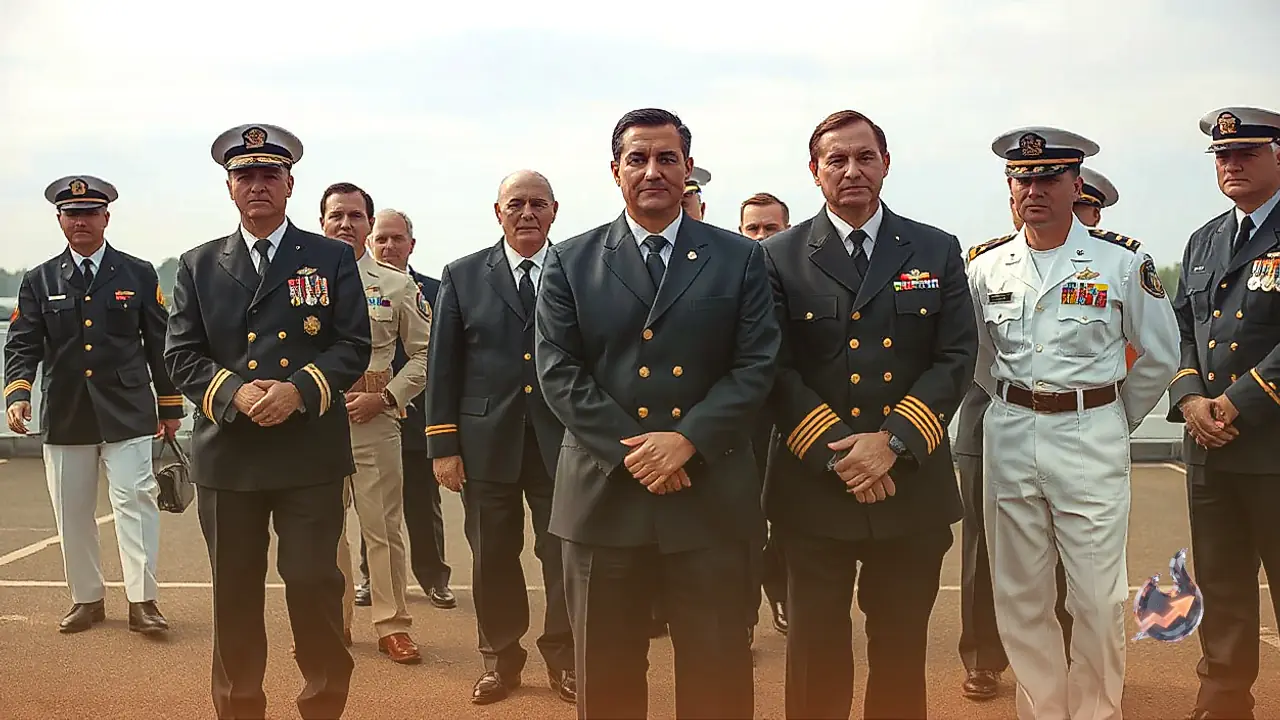



















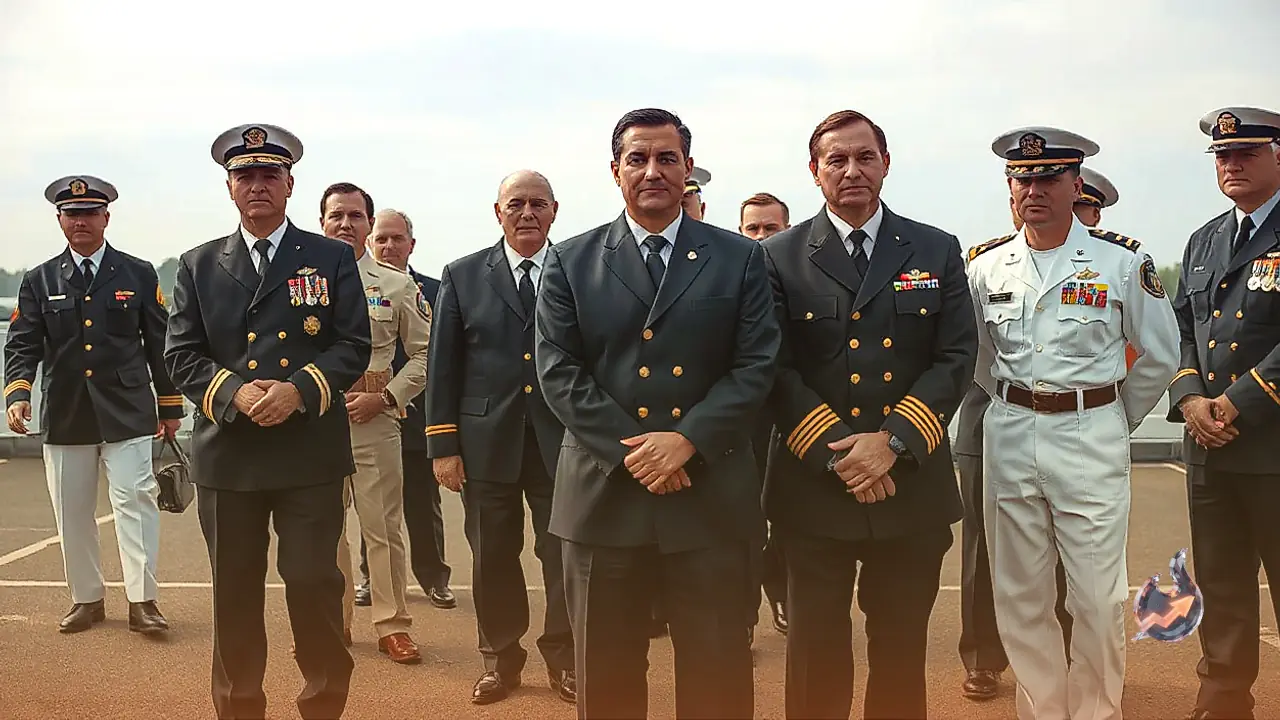

A growing dispute over transparency has erupted between Capitol Hill and naval authorities following an unprecedented pattern of unpublicized command shake-ups across the fleet. Lawmakers have voiced deep displeasure over the quiet removal of several top-ranking officers in recent months, a trend that departs sharply from long-standing traditions of military openness. The controversy spans multiple incidents, ranging from an undersea collision involving an advanced nuclear submarine to personnel decisions on frontline combat vessels deployed in sensitive combat theatres.
Congressional Leaders Protest Breakdown in Communication
Key members of the House Armed Services Committee have expressed acute frustration over being completely bypassed regarding critical personnel changes. In a formal communication sent to top brass, Representative Joe Courtney of Connecticut and Representative Adam Smith of Washington challenged the institutional silence. Both legislators connected the withheld personnel updates to a wider framework of tight operational secrecy, warning that the practice damages the constitutional oversight role of elected representatives.
"As a result of the Navys failure to communicate, what should have been a standard exercise in information sharing has instead raised questions about the Navys commitment to transparency and its commitment to a productive working relationship with Congress."
The joint letter was delivered directly to acting Navy Secretary Hung Cao and Admiral Daryl Caudle, the service's senior uniformed commander. The timing creates immediate political vulnerability for Cao, who must sit before lawmakers for a high-stakes confirmation hearing next week. The lawmakers argued that routine governance cannot function effectively when major command decisions are shielded from the very committees tasked with defense accountability.
Submarine Crash and Destroyer Commander Sacked
Central to the lawmakers' objections is an undisclosed mishap involving the USS South Dakota, a nuclear-powered fast attack submarine. The vessel struck an underwater obstacle on the seabed, an accident that led to the quiet ousting of its commanding officer, executive officer, and senior enlisted specialist. Despite the severe operational implications of a sub seafloor collision, the military issued no public bulletins explaining the incident or the leadership overhaul that followed.
In a parallel development, Commander Caitlin Cunningham was relieved of duty on September 27 while directing the guided-missile destroyer USS Michael Murphy. Operating in the Middle East, the warship had been directly engaged in defensive missions countering Iranian threats. A defense official speaking on condition of anonymity confirmed that Cunningham was removed due to a loss of confidence after holding her post for under twelve months. Standard defense protocols typically require notifying the public within days of an operational skipper's relief, yet the Navy offered no statement.
Surprise Exit of Long-Serving Capitol Physician
The pattern of unannounced separations also reached the civilian heart of Washington through Rear Admiral Dr Brian Monahan. Serving as the attending physician to Congress and the Supreme Court for nearly eighteen years, Monahan managed urgent and primary care for lawmakers, aides, and visitors. His sudden departure was confirmed Thursday by Republican Senator Mike Rounds of South Dakota and Democratic Senator Alex Padilla of California, though both offered minimal details regarding the circumstances.
An individual with direct knowledge of the situation indicated that an internal Navy inquiry has been initiated into the matter, speaking anonymously due to lack of public clearance. Monahan had previously drawn national attention while managing the health evaluations of Senator Mitch McConnell and administering a coronavirus vaccine to then-House Speaker Nancy Pelosi. Despite his exceptionally high-profile responsibilities spanning nearly two decades, his removal was executed without formal acknowledgment from military spokespersons.
Expanding Curbs on Operational and Satellite Data
Scrutiny over military candour extends well beyond officer removals into operational battlefield data. US Central Command has consistently restricted briefings regarding its localized retaliatory strikes against Iran, repeatedly declining to describe equipment losses or structural damage at regional installations while citing operational security considerations.
These restrictions have shaped broader media access and public surveillance. Commercial satellite imagery operators holding contracts with the American government actively delayed or withheld imagery over the Persian Gulf following official interventions. Independent forensic assessments later documented that strikes from Iranian unmanned drones and missiles had impacted at least 26 military locations and adjacent properties, an outcome that required several months of investigative reconstruction to corroborate.
Oversight Showdown Ahead
The convergence of silent firings, suppressed collision records, and tight operational restrictions has placed military officials under intense administrative pressure. With legislative committees expecting prompt, routine notifications on senior appointments, the coming confirmation proceedings for Hung Cao are expected to serve as a pivotal showdown regarding public accountability and military truthfulness.