





















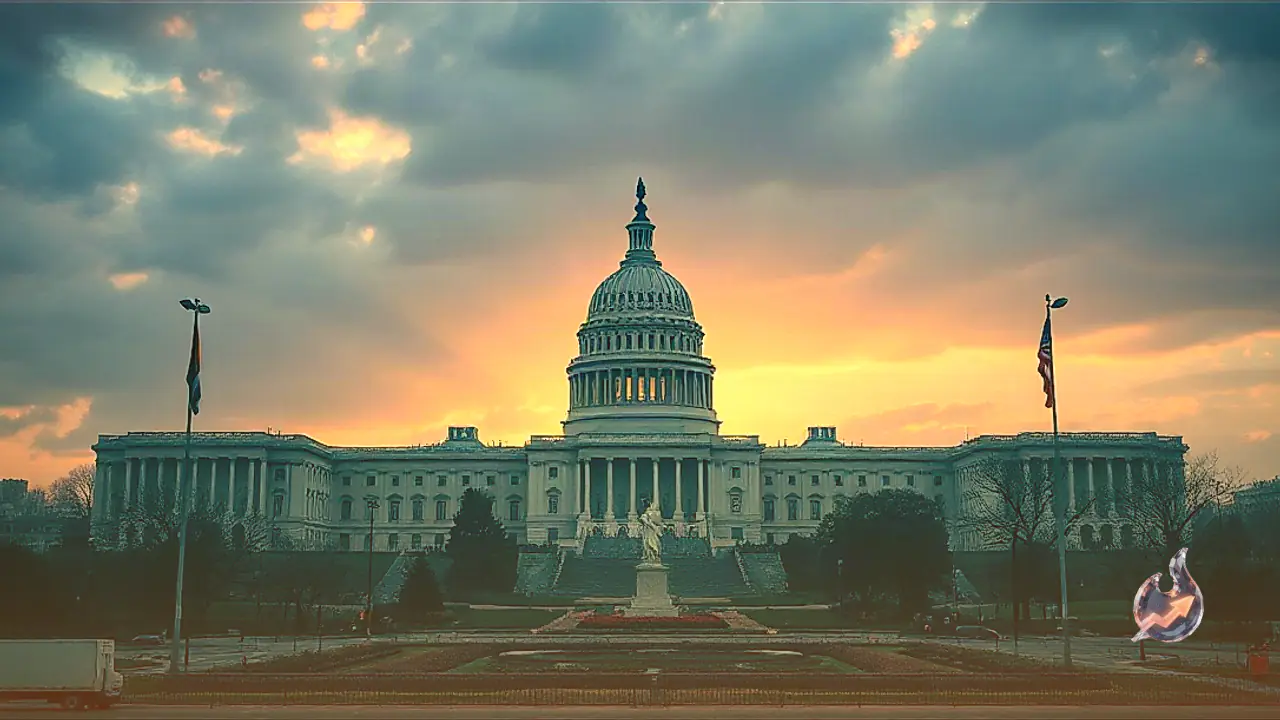

The United States House of Representatives has advanced major legislation that would grant President Donald Trump the statutory authority to levy tariffs as high as 100 percent against nations purchasing Russian crude oil and natural gas. India featured among the sovereign buyers specifically cited during floor debates as lawmakers moved the measure toward a decisive vote. The advancement followed formal clearance through key procedural steps that opened the floor to full legislative deliberation.
Procedural Clearance in the House Rules Committee
Initial clearance came on September 14 when the House Rules Committee recorded a 7-3 vote to push the legislative package forward. Formally designated as the Lindsey O. Graham Sanctioning Russia and Iran Act of 2026, the legislation proceeded through the committee after amendments submitted by Democratic members were rejected. Formal debate regarding the governing rule opened around midday on September 15, positioning the chamber to prepare the draft for final consideration and voting.
Prior Senate Approval and Presidential Discretion
The measure arrives in the House with substantial momentum from the upper chamber of the United States Congress. The Senate cleared identical statutory provisions on August 7 through an overwhelming 86-11 bipartisan vote. Following passage by the House, the enrolled bill would head directly to the White House for executive consideration. Once President Trump signs the enactment into law, executive discretion will dictate whether punitive customs duties are levied, meaning the statute does not mandate an automatic 100 percent duty on India or any specific trading partner.
Crude Oil Procurement and Strained Diplomatic Ties
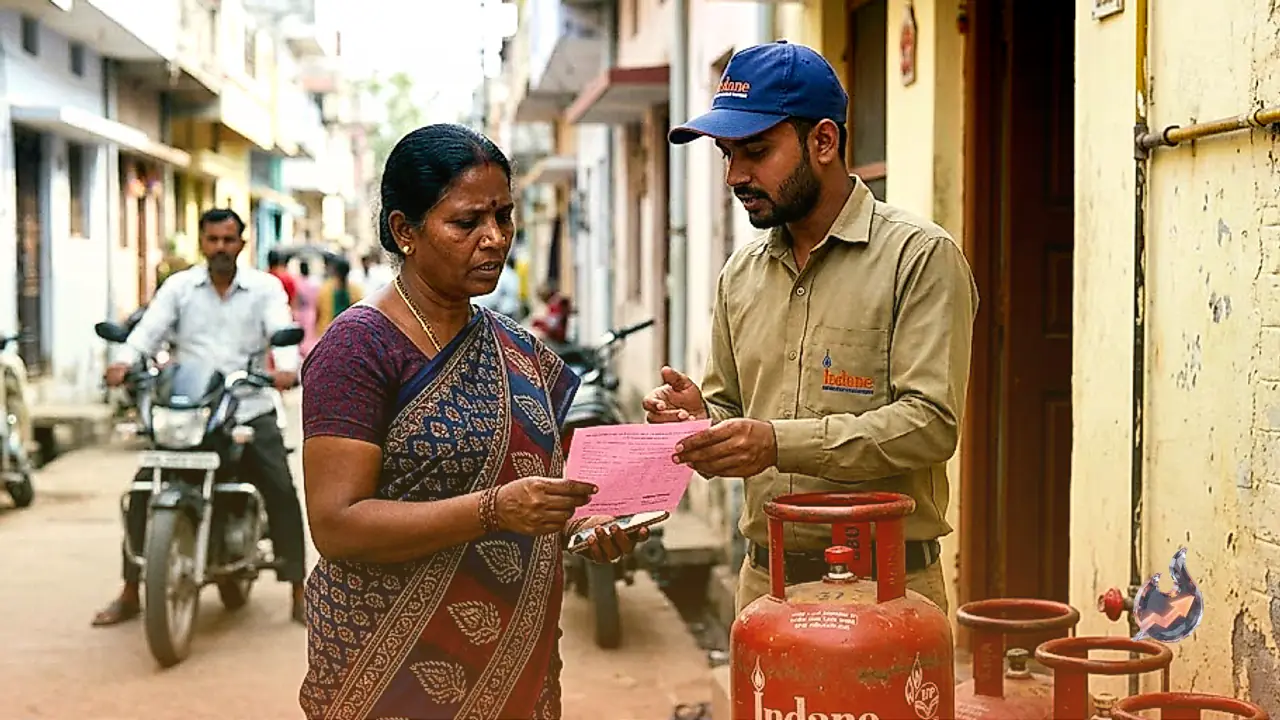
India significantly expanded its purchases of seaborne Russian crude following the onset of the Russia-Ukraine war, an energy trade relationship that has introduced friction into bilateral diplomacy with Washington. During House legislative consideration, Democratic lawmakers guided by Representative Steny Hoyer brought forward an amendment detailing nations maintaining significant energy trade with Moscow. Alongside India, that catalog of trading partners incorporated China, Turkey, Azerbaijan, Hungary, Slovakia, the UAE, Singapore, Kazakhstan, and Kyrgyzstan.
Trade Risks for Exporters and Broader Bilateral Commerce
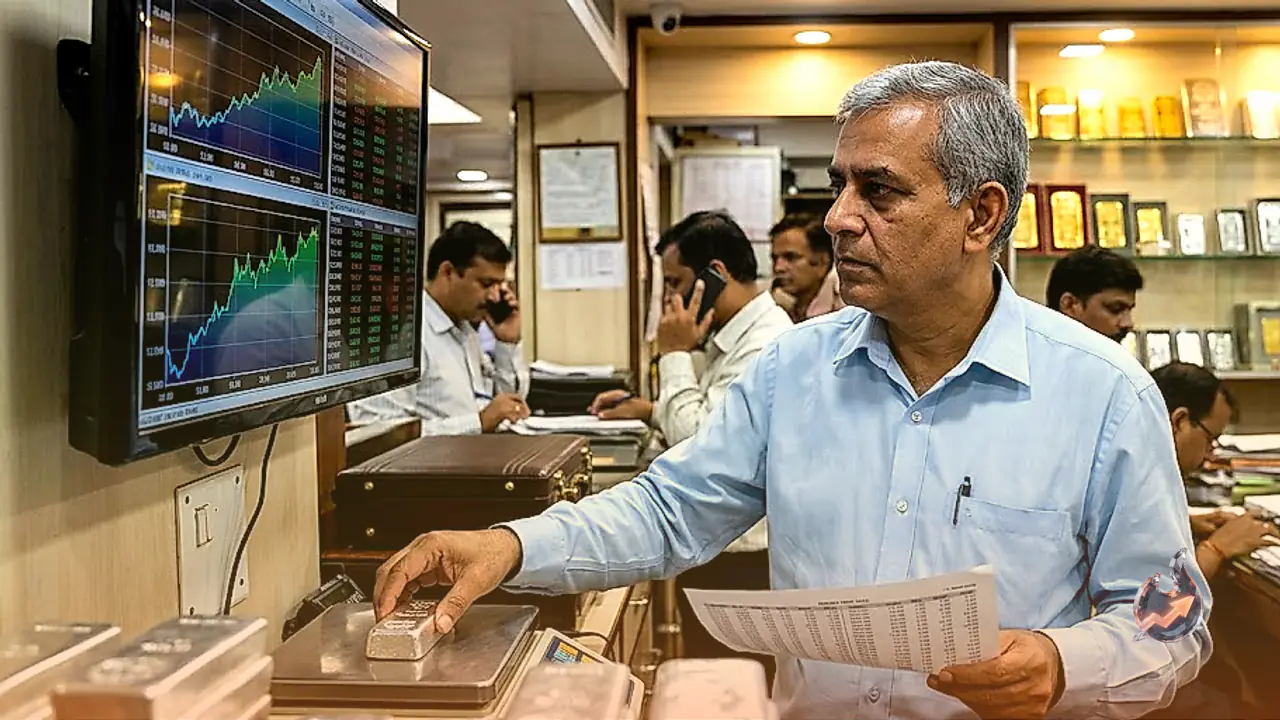
The tariff mechanism draws intense interest because the statutory structure points squarely toward the premier international purchasers of petroleum products exported by the Russian Federation. Because the proposed law allows administrative discretion rather than blanket automatic enforcement across all identified states, the precise commercial risk depends on future White House implementation. The United States ranks as one of the largest overseas export destinations for Indian merchandise, meaning any incremental customs duties would increase landed costs across multiple industrial sectors.
Key segments of India's merchandise export economy could confront tariff resistance if elevated import rates take effect under presidential orders. Financial markets and international trade officials are tracking the final roll call in the House alongside subsequent developments at the executive level. The core functional mechanism of the legislation rests on broadening presidential authority up to the 100 percent threshold. Consequently, the ultimate commercial exposure for India hinges on how President Trump chooses to deploy these tariff powers across energy dialogue and cross-border merchandise commerce.