





















In this comprehensive East Of Eden review, the ambitious seven-part Netflix miniseries demonstrates how classic literature can be revitalized through contemporary thematic lenses. John Steinbeck's 1952 masterpiece has long stood as a pillar of American letters, chronicling three generations across the Trask and Hamilton dynasties amid intense deliberations over personal accountability and moral choice. When Elia Kazan brought the novel to the screen back in 1955, his feature introduced James Dean but truncated the narrative by adapting merely its final chapters. Exactly seven decades later, his granddaughter Zoe Kazan steps up as creator, writer, and co-showrunner to complete the family undertaking across the entire expansive timeline.
Adapting An Epic American Saga
Tackling a literary monument of this reputation carries obvious perils, especially given its fixture status in school curriculums and high-culture canons. Adaptations of this pedigree often succumb to formulaic prestige tropes engineered strictly for awards consideration, and the opening chapters here occasionally flirt with those conventions. A wistful voiceover narration opens the initial pair of installments, presenting a somewhat heavy-handed literary framing device before the creators wisely phase it out.
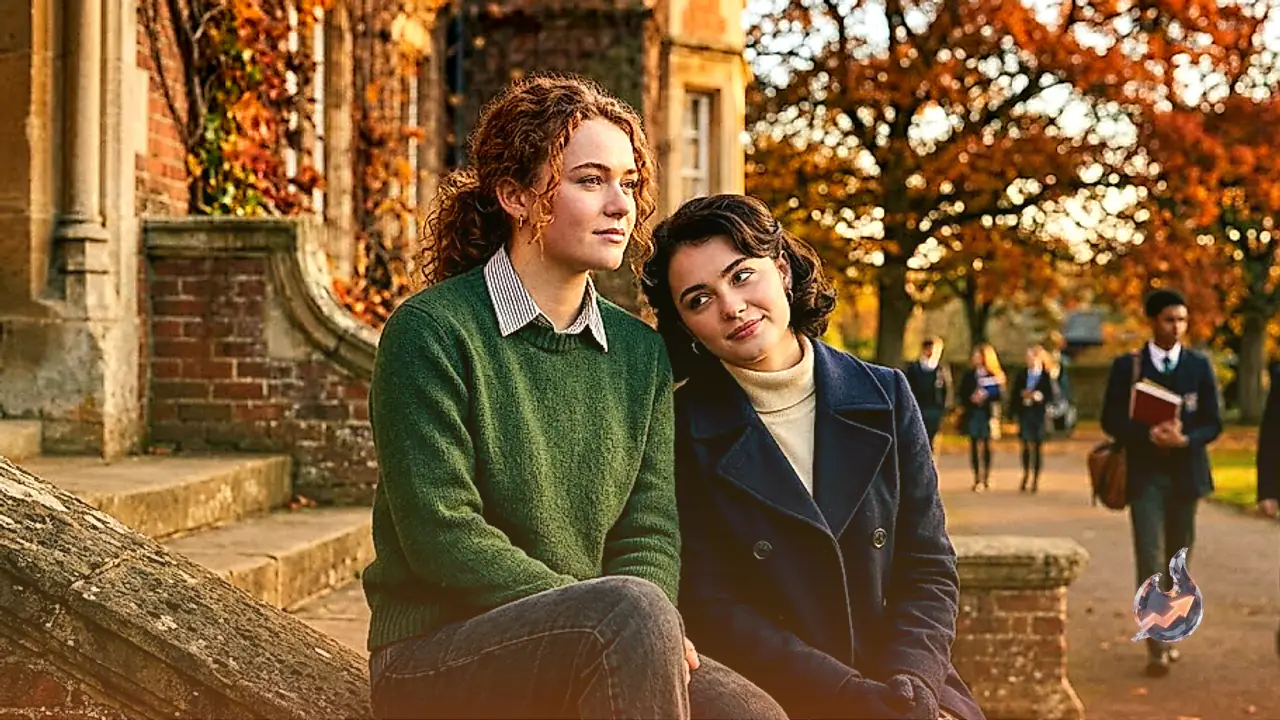
Furthermore, those first two installments set in the late nineteenth century occasionally struggle under the weight of less experienced younger performers who lack the dramatic heft carried by the veteran ensemble. Nevertheless, Tracy Letts delivers an outstanding turn as the Trask patriarch, projecting a haughty, unyielding Victorian father figure who deliberately manipulates his sons into direct rivalry.
Lush Visual Direction And Atmosphere
Once the broader narrative architecture settles into place, the series blossoms into a richly detailed period piece. Zoe Kazan approaches this sweeping multigenerational canvas with admirable patience and intellectual care, crafting an adaptation that feels genuinely handsome and deliberate. Visual storytelling remains a high point throughout the run.
Co-directors Garth Davis and Laure de Clermont-Tonnerre make exceptional use of sweeping New Zealand locations standing in for historical California landscapes. The textured environments, nuanced lighting, and period details grant the drama a convincing sense of place, grounding its heavy philosophical underpinnings in tangible reality.
Reinterpreting Cathy Ames And Florence Pugh's Turn
While Steinbeck focused his original book primarily on the familial trials confronting the Trasks and Hamiltons, this adaptation centers its dramatic weight around Cathy Ames. In the literary text, Cathy operated largely as an allegory for total villainy and biblical sin. Zoe Kazan and Florence Pugh radically rethink that framing by infusing the character with modern explorations of patriarchal confinement and institutional subjugation.
The script does not seek to pardon her appalling conduct, yet it meticulously illuminates the oppressive conditions dictating her reality. A pivotal confrontation underscores this thematic shift when her father baldly reminds her that God has granted him absolute authority over her existence as personal property. Framed against such total ownership, her retaliatory actions emerge as desperate bids for personal sovereignty rather than motiveless malice. Pugh renders the figure with calculating restraint, employing a distinct Katharine Hepburn-like drawl that bristles with suppressed fury.
The production paints a harrowing portrait of the omnipresent perils women encountered from predatory men during that era, highlighting how drastically restricted their avenues to safety remained. When Cathy notes that the only genuine freedom in this reality is financial sovereignty, her ruthless calculus feels thoroughly understood. Pugh commands the screen, transforming a once one-dimensional antagonist into a mesmerizing study in survival.
Ensemble Nuance And Cultural Reflections
The screen adaptation also devotes substantial space to Lee, the Chinese-American domestic worker serving the Trask household. Hoon Lee delivers a deeply touching, remarkably soulful portrayal that ranks among the finest acting turns of the television season. While the Hamilton family lineage is prudently condensed to preserve dramatic momentum, Ciarán Hinds provides graceful warmth as Samuel Hamilton.
Among the standout sequences of the entire production is a quiet, contemplative dialogue between Samuel and Lee, where both men compare their mutual realities as marginalized outsiders navigating life in white America. While late-season passages occasionally wobble during scenes reliant on younger supporting players, the complete work achieves its monumental aims. In an entertainment landscape frequently saturated with disposable fare, seeing a weighty American classic treated with such meticulous craftsmanship and narrative intelligence feels exceptionally rewarding.