



















Netflix has returned with the newest iteration of its flagship relationship franchise, and this Lust Stories 3 review highlights how the series has evolved into its most mature, confident, and creatively daring anthology yet. Building on the broad reception of its earlier volumes, this third installment unites four distinct cinematic voices in Vikramaditya Motwane, Kiran Rao, Shakun Batra, and Vishal Bhardwaj. Moving far beyond superficial romance or simple physical attraction, the collection dives headfirst into the delicate psychological terrain of human longing, unspoken marital frictions, isolation, and unconventional personal choices. Supported by a stellar ensemble cast, the project delivers a remarkably well-rounded and engaging cinematic experience.
Four Distinct Perspectives Across Eras and Genres
The standout strength of this anthology lies in its narrative range. Each filmmaker transports viewers into a completely different era, visual setting, and emotional frequency, ensuring that the overarching theme never feels monotonous.
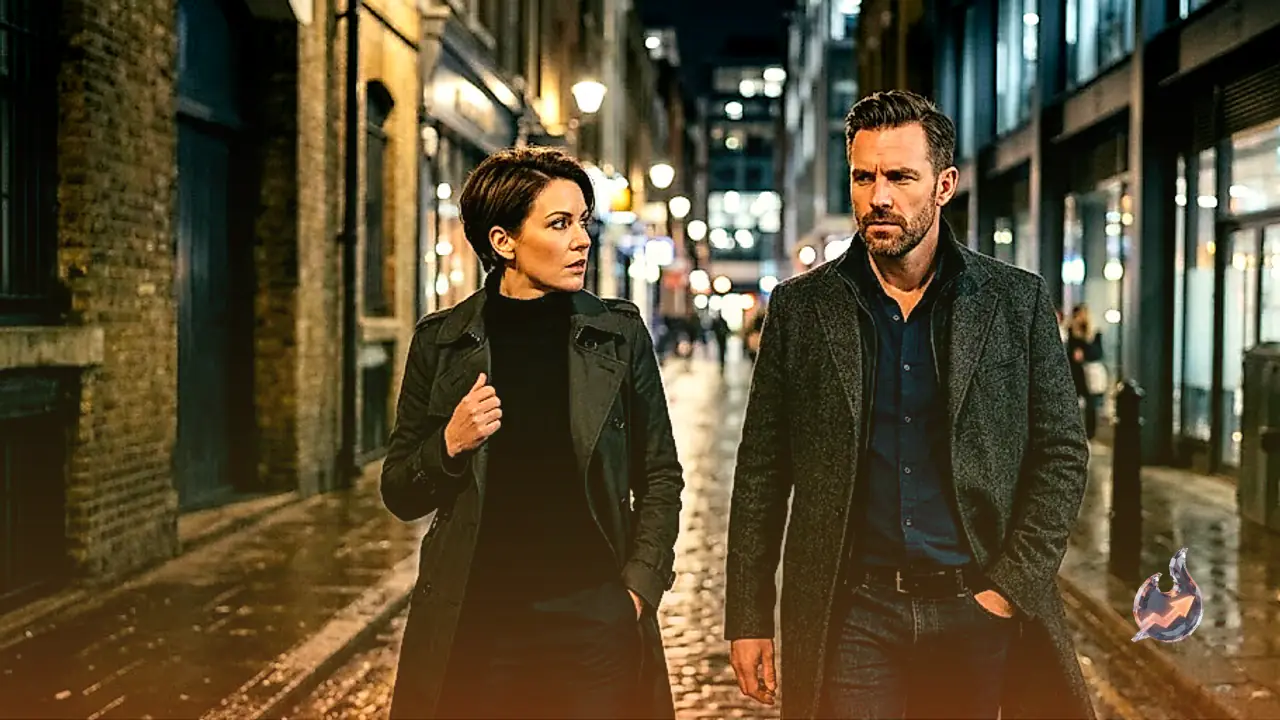
Vikramaditya Motwane directs a tense segment centered on the sensitive and unconventional theme of partner swapping. Starring Radhika Apte, Konkona Sen Sharma, Vijay Varma, and Abhishek Sharma, the short is styled with the moody, high-tension aesthetic often seen in Korean psychological fiction. Motwane approaches the subject with immense maturity, steering clear of cheap sensationalism and instead focusing on the raw psychological friction between the couples.
Kiran Rao takes an entirely different creative path with a lively, energetic story featuring Gurfateh Pirzada and Sana Thampi. Set against the chaotic underbelly of illicit drug trades, money laundering schemes, and financial deception, her short embraces a dark comedic tone. Filled with swift narrative surprises, it keeps audiences guessing about the characters' next reckless moves.
Shakun Batra crafts an intimate study of modern marital fatigue, psychological therapy, lingering emotional baggage, and unresolved mutual attraction. Featuring Ali Fazal and Radhika Madan, this chapter observes what happens when emotional attunement and physical compatibility fail to align within a marriage, laying bare the quiet unraveling of modern urban partnerships.
Vishal Bhardwaj takes a fascinating trip back in time to 1987. Starring Aditi Rao Hydari, Siddharth, and Gajraj Rao, this period piece uses the cultural backdrop of the late eighties to explore sexual education through an unexpected lens, featuring a clever twist centered around homeopathic remedies like Nux Vomica and Belladonna.
Standout Performances Across the Ensemble
The emotional core of the anthology rests entirely on the performances of its ensemble cast. In Motwane's segment, the electric screen dynamic between Konkona Sen Sharma and Vijay Varma is captivating. Their intense dialogue delivery and expressive silences carry immense weight. Radhika Apte once again proves her mastery at navigating uncomfortable, emotionally conflicted roles with effortless authenticity.
In Batra's narrative, Ali Fazal and Radhika Madan bring immense vulnerability to their portrayals of two people trapped in a disintegrating domestic space. Their ability to convey bottled-up resentment and grief makes their dilemma deeply resonant. Meanwhile, in Rao's fast-paced crime comedy, Gurfateh Pirzada and Sana Thampi inject vibrant, youthful charisma into their roles, bringing an infectious charm to the screen.
Bhardwaj's 1987 segment benefits greatly from the presence of Gajraj Rao, who strikes a perfect balance between sharp comedic timing and dramatic gravity. Aditi Rao Hydari commands the screen with poise and subtle warmth, while Siddharth delivers an earnest, grounded performance that complements the period setting seamlessly.
Cinematic Craft, Visual Palette, and Direction
Harmonizing four unique directorial visions under a shared thematic umbrella is never simple, yet the project succeeds because each filmmaker remains true to their signature craft. Motwane treats a provocative premise with quiet dignity and suspense. Rao keeps her pacing brisk, stylish, and thoroughly entertaining. Batra utilizes his deep understanding of urban domestic intricacies to create raw interpersonal drama, while Bhardwaj infuses his period short with poetic charm, quirky humor, and cultural nostalgia.
Visually, the anthology stands out through deliberate cinematography and lighting choices tailored to each story's emotional atmosphere. Motwane's segment relies on shadowy, muted tones that mirror the moral ambiguity of its characters. Rao opts for saturated, pop-heavy colors reflecting youthful impulsiveness. Batra chooses soft, naturalistic lighting to heighten domestic intimacy, while Bhardwaj adopts a rich, warm 1980s vintage aesthetic that transports viewers straight into the past.
Sound Design and Background Score
The audio landscape across all four shorts plays an essential role in amplifying tension and emotion. In Bhardwaj's short, his original musical score brings together traditional classical melodies and folk instrumentation, capturing the essence of 1987 with authentic flair. In the other segments, the background music remains tastefully restrained, stepping in precisely when suspense, romantic conflict, or psychological stakes need emphasis.
Pacing Inconsistencies and Screenplay Flaws
Despite its many artistic triumphs, the anthology is not without minor shortcomings. The four shorts do not land with uniform impact across the board. While Motwane and Bhardwaj deliver highly memorable entries, Batra's relationship drama tends to slow down noticeably in the middle, occasionally slipping into repetitive emotional beats. Furthermore, some of the narrative developments in Rao's crime-comedy segment may feel predictable to seasoned viewers who easily spot familiar genre tropes.
Final Verdict
Overall, this third volume represents a thoughtful, multi-layered examination of marriage, personal secrets, loneliness, and human longing. By letting four seasoned directors interpret desire through their own artistic prisms, the anthology delivers a diverse, visually compelling, and thoroughly engaging collection of modern stories.