





















Cinema audiences looking for light-hearted relationship dramas have a new release to explore, and this Pehla Pyaar Doosri Baar review breaks down whether the film delivers on its promise of youthful charm and emotional warmth. In an era where demanding professional lives and rapid routines often overshadow old memories, the film uses humor and heartfelt moments to bring unfinished emotions back to the surface. Produced by Luv Ranjan and Ankur Garg under the banner of Luv Films, director Anuj Saini crafts a relatable romantic comedy that focuses on healing past missteps and giving love a meaningful second opportunity.
The Core Premise and School Reunion Setting
The story kicks off around an eventful school reunion taking place ten years after graduation. Three close friends, who spent their formative years together, gather once more after a decade apart. Inside their minds, the memories of their childhood sweethearts and adolescent crushes remain as vivid as ever. Driven by nervous excitement and silent hopes, each arrives at the celebration eager to finally articulate the emotions they lacked the courage to share during their teenage days.
What begins as a pleasant trip down memory lane quickly spirals into a series of funny, unexpected encounters. As the party progresses, miscommunications, situational ironies, and buried grievances bubble up. The narrative captures a simple reality: while years pass, careers diverge, and priorities shift, the innocence of first love retains a special place in the heart. Importantly, the storyline does not limit itself to nostalgic infatuation. It thoughtfully addresses personal maturity, showing how adult perspectives can help repair broken friendships and unresolved connections.
Performances and Ensemble Chemistry
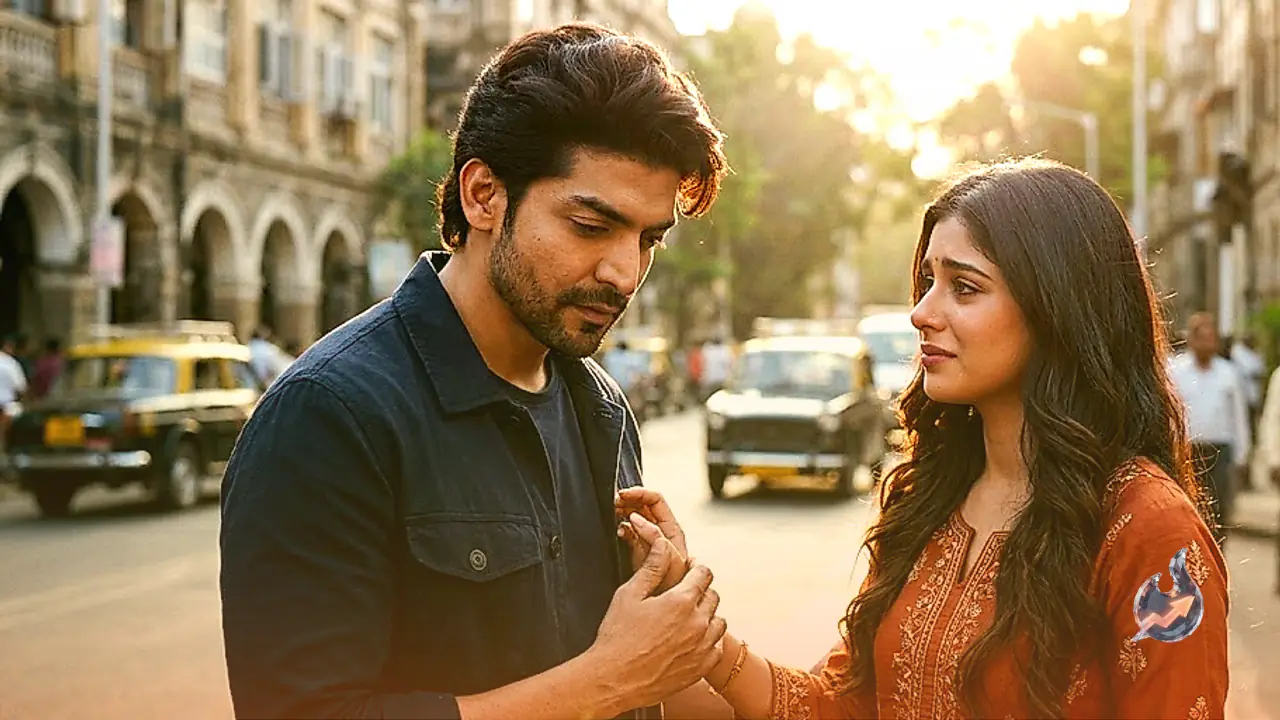
The primary strength of the film lies in its energetic cast, featuring Alisha Chopra, Sparsh Walia, Sakshi Vaidya, Kunal Vaid, Sargun Kaur Luthra, and Tushar Chhibbar. These contemporary performers bring a refreshing authenticity to their roles. The banter among the characters feels spontaneous, free of artificial staging or melodramatic delivery.
Kunal Vaid stands out with his charismatic screen presence and effortless flair. His gift for conversational humor and playful romantic interactions keeps the tone engaging and easygoing. Alisha Chopra and Sparsh Walia provide the narrative with its emotional weight, handling intimate, reflective moments with restraint and sensitivity. Alongside them, Sakshi Vaidya, Sargun Kaur Luthra, and Tushar Chhibbar inject vibrant energy through sharp comic timing and natural rapport. The collective dynamic across the entire group feels genuine, allowing viewers to see reflections of their own circle of friends on the screen.
Directorial Vision and Storytelling Approach
Helming this project, director Anuj Saini takes on a familiar cinematic motif, the school reunion romance, and infuses it with contemporary dialogue and relatable conflicts. The production values and quick-witted pacing reflect the distinctive stamp of Luv Films. Crucially, the storytelling avoids moral lectures or sentimental preachiness, remaining focused on entertainment and nostalgic delight.
Balancing comedy and heartfelt drama is essential for romantic comedies, and Saini navigates this line adeptly. The pacing moves smoothly from start to finish without noticeable lulls. The director integrates multiple character subplots effectively, giving each individual space to breathe. Furthermore, the narrative conclusion avoids exaggerated theatrics in favor of an emotionally grounded and practical resolution, highlighting the director's balanced perspective.
Cinematography and Visual Appeal
The film scores high marks visually, showcasing dynamic framing and vibrant color tones. The cinematography captures modern urban lifestyle, lively evening gatherings, and sunny flashback sequences with crisp detail. The color grading leans bright and cheerful, reinforcing the optimistic spirit of the narrative.
Carefully calibrated lighting setups and distinct camera angles create a clear contrast between the innocent school flashbacks and the polished present-day reunion sequences. The camera movements remain fluid throughout, making every sequence visually appealing without distracting from the actors. Expressive close-ups during vulnerable conversations accentuate the unspoken tensions and quiet affection between the characters.
Music and Atmospheric Background Score
Music plays a pivotal part in elevating romantic comedies, and the soundtrack here delivers on modern musical tastes. Rather than acting as mere breaks in the plot, the musical numbers serve as natural bridges that move the narrative forward.
The melodic romantic tracks bring back the warmth and melancholy of youthful affection, while the upbeat reunion and dance numbers keep the tempo lively. The background score complements the visuals smoothly, sharpening the humorous beats with playful rhythms while allowing quieter, poignant scenes to resonate with genuine feeling.
Drawbacks and Final Verdict
Despite its many charms, the film is not without flaws. The fundamental narrative framework remains predictable and adheres closely to established romantic-comedy tropes. Viewers familiar with reunion-based storylines will easily guess several plot turns and misunderstandings before they happen.
Nevertheless, the film makes up for its familiar premise with heartfelt acting, sparkling comic timing, and appealing musical tracks. For moviegoers seeking an engaging, light-hearted narrative that celebrates past memories and second chances in life, this romantic comedy offers a pleasant and entertaining watch.