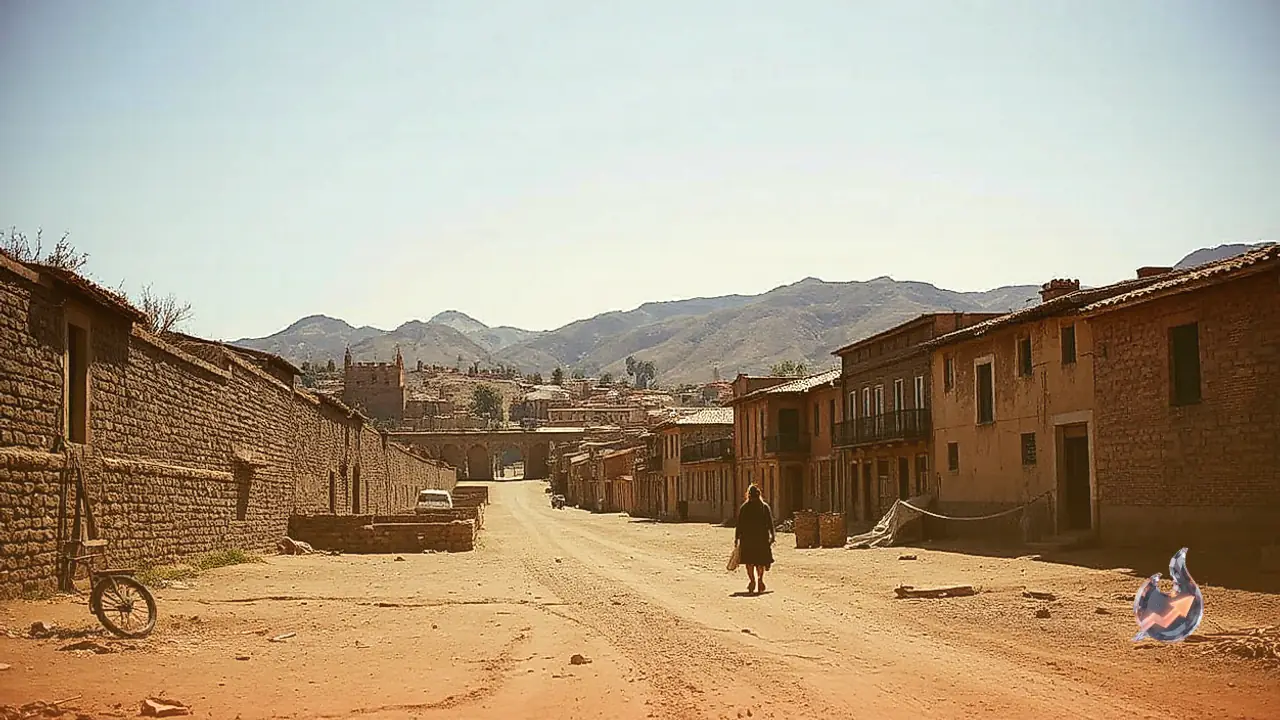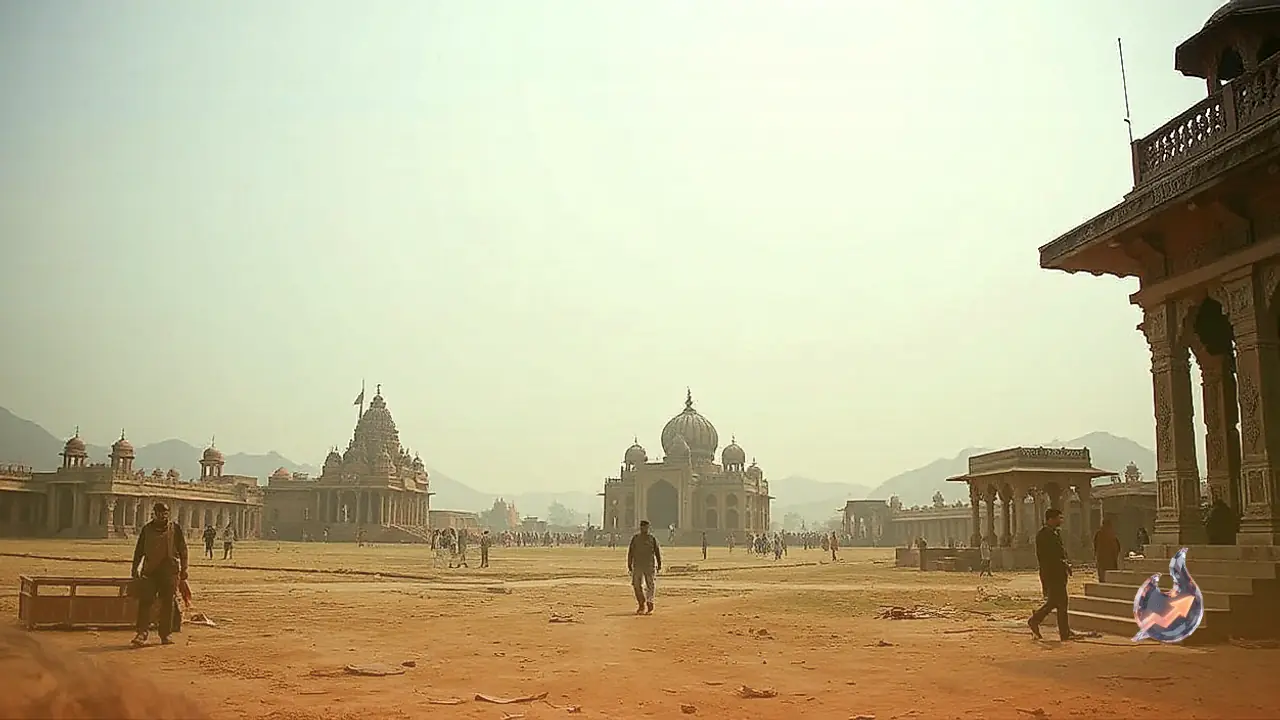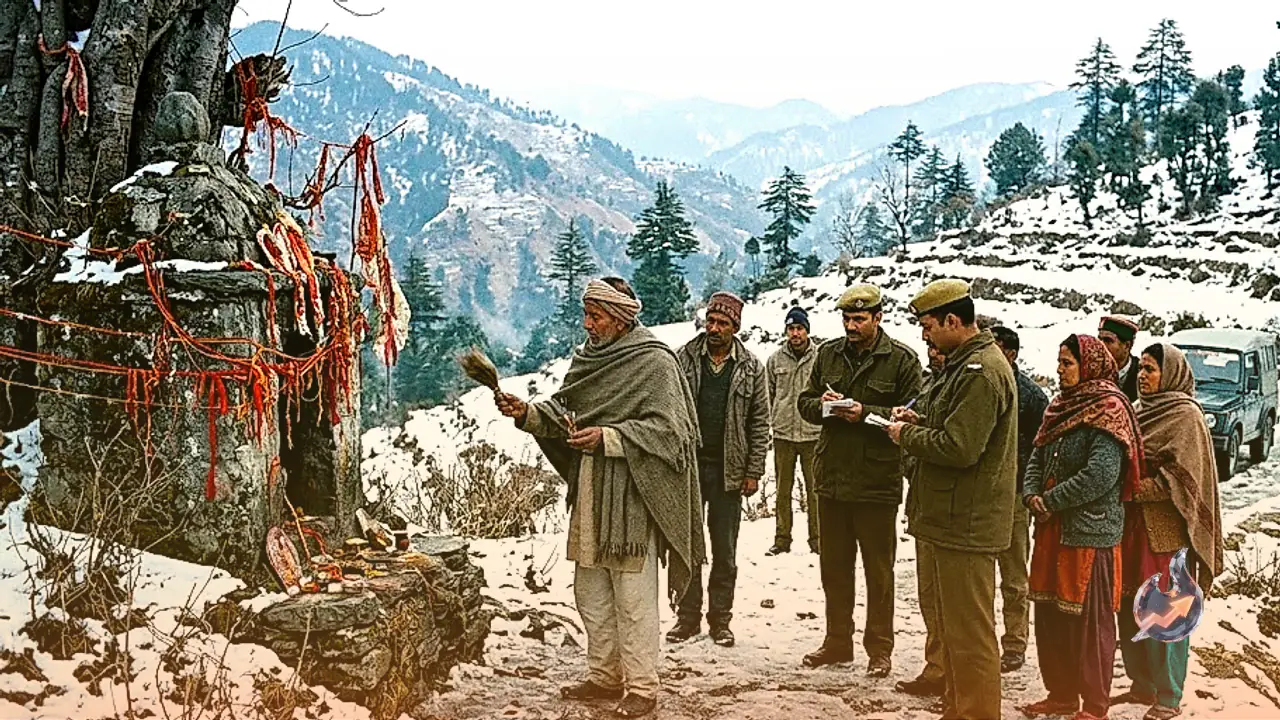



















Director Nitesh Tiwari brings the ancient Hindu epic to life in Ramayana: Rise Of A Legend, blending state-of-the-art Hollywood visual effects with classic mythology to retell the story of Rama, an avatar of the Hindu god Vishnu. Recognized as one of India's most expensive cinematic projects with an estimated budget around $500 million, the blockbuster leans heavily on high-tech techniques reminiscent of The Lord Of The Rings, Avatar and Marvel, while retaining the unbridled verve of populist Indian cinema. While the runtime is undeniably long and features numerous contemplative moments of characters standing solemnly on clifftops facing sunsets, the production relies heavily on its sheer scale, striking spectacle and outlandish imagination. The narrative carries the weight of a foundational myth comparable to The Odyssey, though few historical epics feature encounters quite as unexpected as a flying elephant taking a punch to the eye.
Narrative Setup And Background
Much like The Return Of The King, the narrative layers prologue upon prologue before establishing its core trajectory. Following a massive and visually striking battle across a frozen wasteland, the defeated Ravana, played by Naveen ‘Yash’ Kumar, is reduced to servitude. His fervent prayers to liberate his people ultimately move Lord Brahma to grant him superhuman strength, total imperviousness to pain and absolute immunity from attack. This existential threat compels the demigods to petition protector deity Vishnu to incarnate as the human-born Rama, portrayed by Ranbir Kapoor. These two opposing forces are placed firmly on a collision course, though that definitive showdown will be saved for Part 2 in 2028.
Character Dynamics And Performances
The storytelling intercuts Rama's emergence as the Chosen One and his romance with the gentle-natured Sita, played by Sai Pallavi, alongside Ravana's relentless campaign of destruction. Tiwari populates this vast universe with colorful processions, convoluted subterfuge, cursed forests inhabited by giants and Gladiator-style duels. While the director channels bursts of the manic energy and narrative bloat seen in RRR, the characters themselves frequently lack genuine charm. Across the board, the ensemble often functions as one-dimensional ciphers prone to delivering prolonged speeches concerning fate, destiny and Dharma, the sacred concept of duty. Kapoor portrays a rather forgettable and milquetoast protagonist, while Yash leans into an over-the-top antagonist persona that borders on caricature.
Music, Visuals And Climax
Although the film eschews traditional song-and-dance routines, it features a driving and bombastic score composed by Hans Zimmer alongside Slumdog Millionaire composer A.R. Rahman. The music is given ample room to breathe during sweeping montages, highlighted by Ravana's hypnotic dance of worship around a firepit, as well as during high-octane action sequences. Featuring imaginative production design, including a striking flying machine, and swooping camerawork, the project consistently shines brightest during its visual set-pieces rather than its verbal exchanges. Once the initial family feuds and political maneuvers are resolved, the final act tightens the dramatic stakes into something genuinely engaging before concluding on a dramatic cliffhanger and a sunset.