


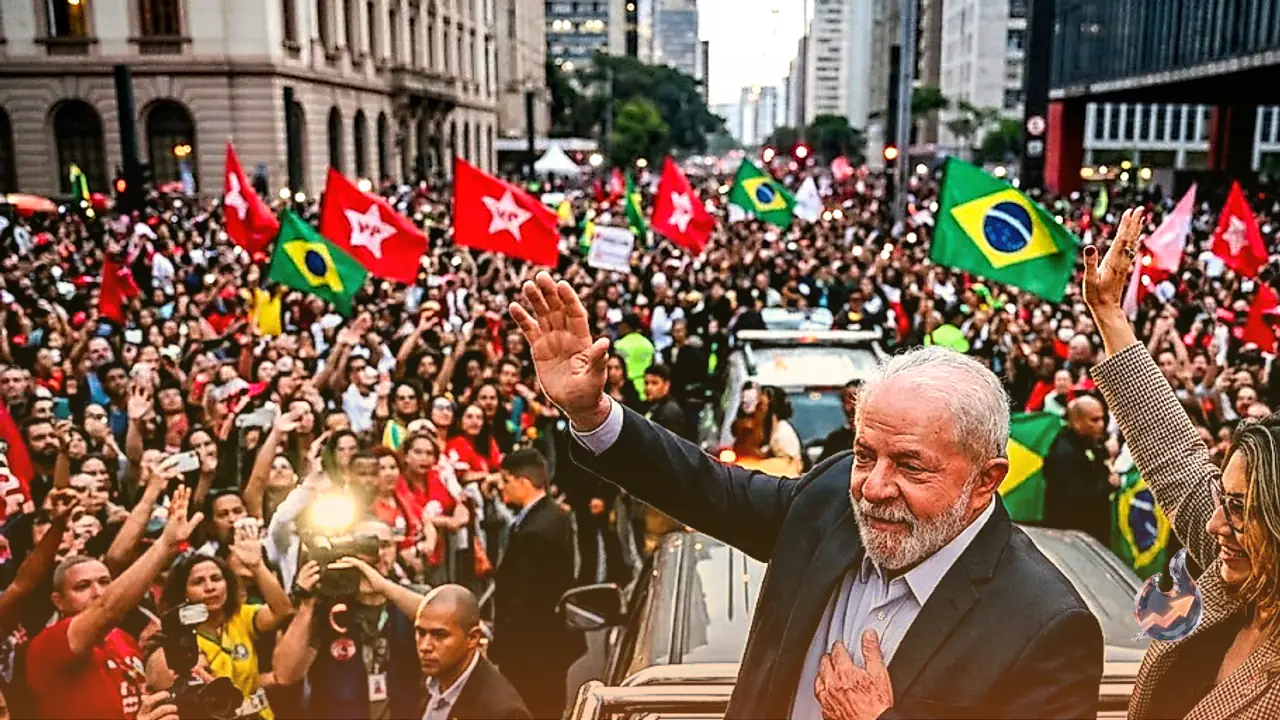

















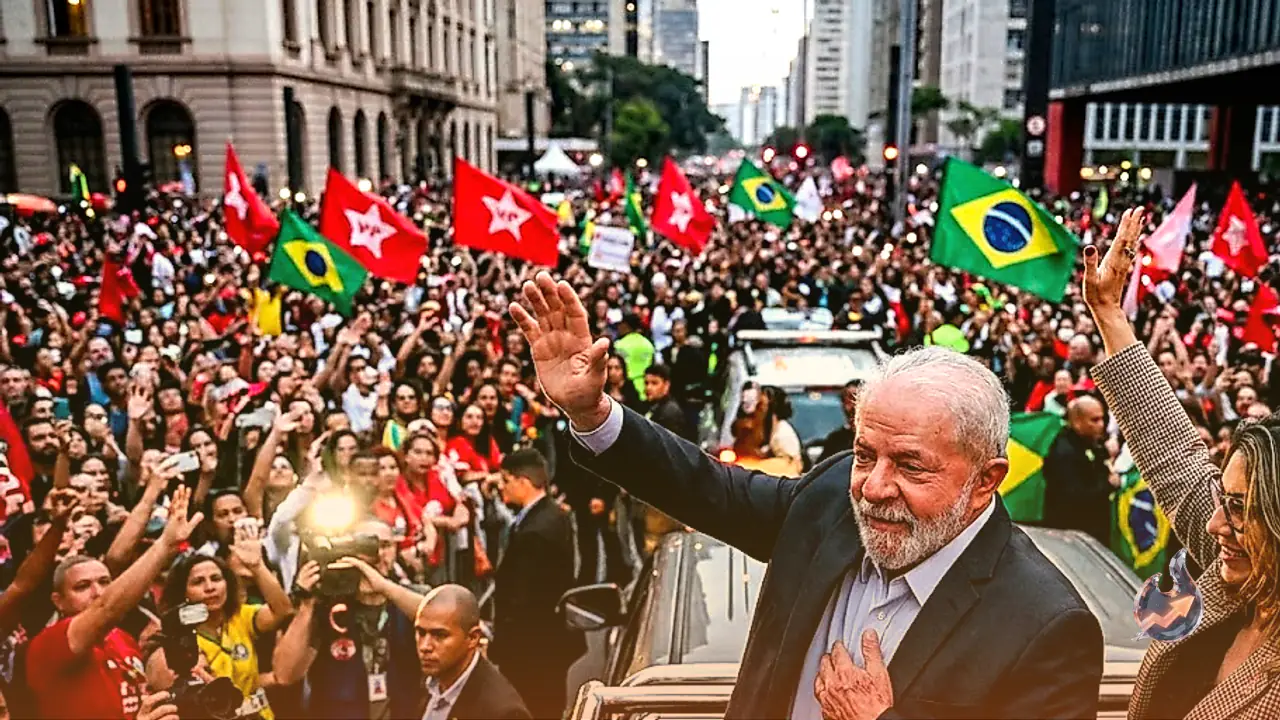

Veteran leftist leader Luiz Inácio Lula da Silva has achieved a remarkable political milestone by securing victory in Brazil's tense presidential contest against right-wing challenger Flávio Bolsonaro. The run-off triumph seals a fourth presidential mandate for the former metalworker, who previously governed from January 2003 through December 2010 before returning to the presidency in January 2023. By winning, he has countered a prominent political shift across Latin America, where electorates have consistently removed incumbents and installed conservative governments, leaving major regional powers including Argentina, Chile, and Colombia under right-wing leadership.
A Dramatic Three-Week Campaign Reversal
The path to victory appeared steep following the initial balloting on 4 October, in which Bolsonaro defeated Lula to take the early lead. Most observers considered a turnaround within a three-week window highly improbable. Nevertheless, the incumbent's apparatus mounted a rapid resurgence powered by widespread street mobilizations and a dominant digital outreach campaign. Lula has stood as the pillar of Brazil's left since his inaugural presidential run in 1989, yet this latest electoral triumph ushers him into an environment far more contested than during his initial inauguration in 2003.
Legislative Gridlock and a Fractured Electorate
Although jubilant supporters greeted the president following Sunday's vote, the underlying numbers reveal a nation fractured down the middle, with more than 48% of the electorate backing Bolsonaro. Unifying this polarized populace represents only half the challenge; the president must also contend with the most conservative legislative branch of Brazil's modern democratic period. The candidate's conservative grouping, the Liberal Party, captured the largest share of legislative seats in the general election, giving the opposition substantial leverage over policy.
Ahead of the deciding vote, the veteran statesman described the contest as a defining crossroad for the nation's future. During a campaign broadcast, he pledged to bridge deep factional divisions through a revised governance approach, proclaiming that the nation would never be the same again. While specific policy blueprints for this new framework were kept general, he reiterated an enduring commitment to social equity, widespread economic opportunity, and governance tailored to public welfare. Navigating these objectives alongside an antagonistic parliament will demand significant political capital from a leader who will reach 85 years of age by the conclusion of his term.
Geopolitical Frictions and Relations With Washington
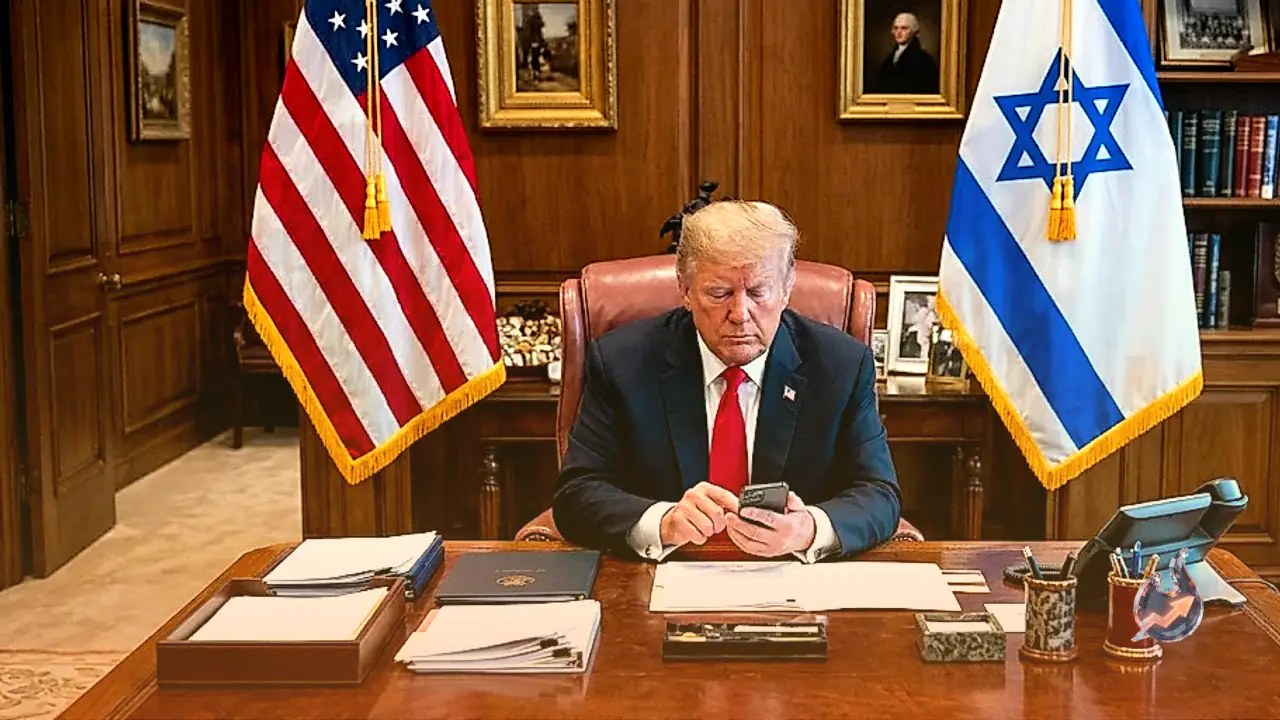
The next presidential term, scheduled to commence on 5 January 2027, will unfold under heightened external constraints, notably a difficult dynamic with US President Donald Trump. While the American administration stopped short of issuing an explicit endorsement for Flávio Bolsonaro—contrasting with public backing granted to victorious conservative candidates in Colombia and Honduras—diplomatic alignment clearly favored a right-leaning outcome in the nation of 213 million citizens. The White House treats the wider region as a vital sphere of influence, prioritizing partners who endorse its posture on defense arrangements, security frameworks, and commercial flows, while curbing Chinese engagement across the hemisphere.
Brazil occupies a pivotal geopolitical role due to its vast energy assets and possession of the globe's second-largest deposits of rare earth elements. As the sole major South American economy not steered by a conservative administration, the country's leadership maintains cordial relations with Beijing. On the campaign trail, Bolsonaro advocated establishing tighter strategic coordination with Washington. In response, the Brazilian head of state cautioned against external interference in the domestic vote, declaring firmly that the nation would not become subordinate to foreign interests.
Conservation Priorities and Rainforest Protection
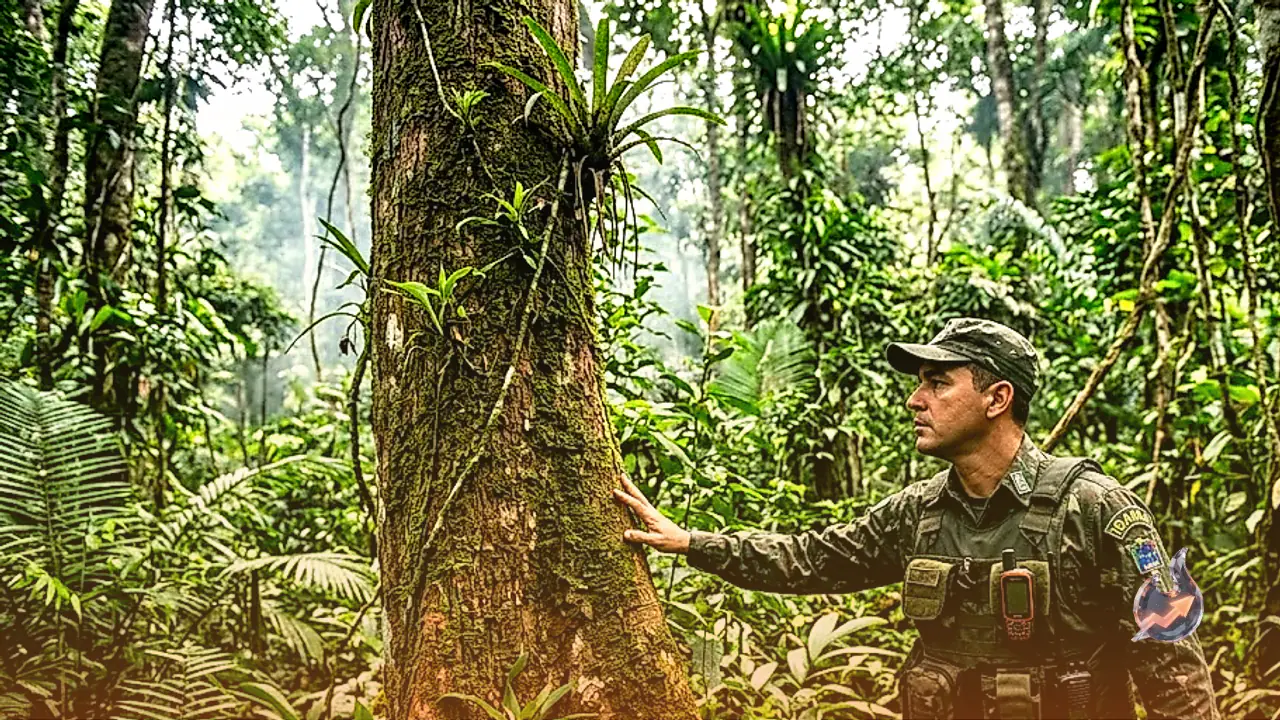
While the result may generate unease in Washington policy circles, environmental advocates have received the outcome with profound relief. Conservation groups harbored deep concerns that a Bolsonaro presidency would empower domestic agribusiness conglomerates and commercial mining enterprises at the expense of climate targets. During the prior tenure of his father, Jair, the Amazon basin experienced historic deforestation rates and severe forest blazes. Observers warned that comparable regulatory rollbacks under the younger Bolsonaro could precipitate irreversible damage across critical biomes, making the incumbent's re-election a crucial safeguard for regional conservation.