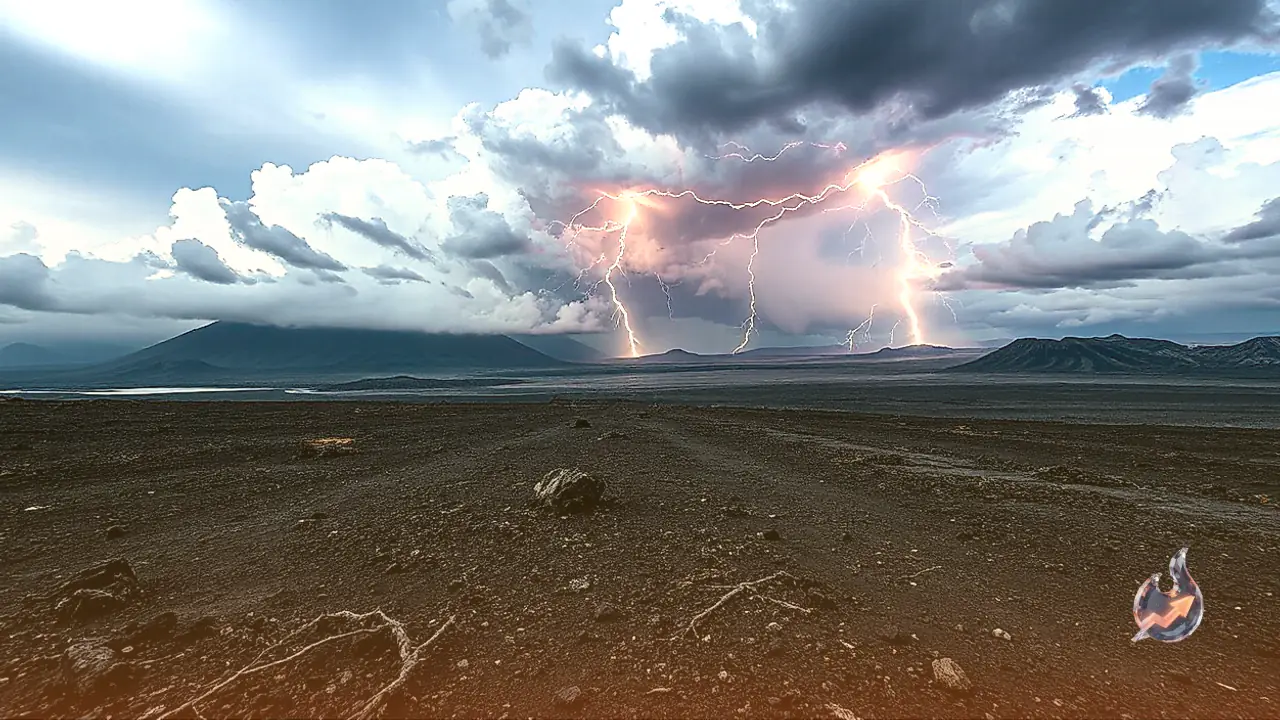

























Situated in the Indian Ocean, Socotra Island in Yemen appears completely otherworldly, often drawing comparisons to an alien planet due to its surreal landscapes. The island features plant and animal species that do not exist anywhere else on Earth, making it a focal point of fascination for travelers and scientists alike. Its isolation over vast stretches of geological time has allowed unique ecosystems to flourish, creating an environment that feels disconnected from the rest of the planet.
The Striking Dragon Blood Trees
The defining feature of Socotra is its dense population of dragon blood trees, whose dense branches spread upward to form the distinct shape of an inverted umbrella. From a distance, these peculiar trees resemble massive, umbrella-like structures scattered across a barren canvas. They earn their dramatic name from a deep crimson resin that oozes from the bark or tissue whenever the plant is damaged. This red sap mimics the appearance of blood, giving the striking trees their memorable moniker.
Desert Roses and Unique Flora
Alongside the dragon blood trees, Socotra is home to desert roses characterized by swollen, bottle-like trunks that store water to survive the arid climate. The unusual shapes and robust structures of these plants contribute significantly to the island's rare biodiversity. Because the region remained geographically isolated for prolonged periods, its flora and fauna evolved independently. The local climate created favorable conditions for species that cannot survive in any other part of the world.
The Indian Navy Rescue Mission
The island holds a notable connection to a rescue effort when Cyclone Mekunu struck the Socotra region in May 2018, stranding several Indian nationals. To evacuate the stranded citizens, the Indian Navy launched a targeted mission known as Operation Renistar. Utilizing INS Sunayna, the naval forces successfully rescued and brought back 38 Indian sailors to safety from the stricken zone.
Endemic Wildlife and UNESCO Recognition
Beyond its bizarre vegetation, Socotra hosts a variety of native birds, reptiles, and insect species that are entirely endemic to the island. Pristine white sand beaches and clear blue waters further enhance the ecological significance of its coastal marine ecosystems. In recognition of its exceptional natural diversity and the urgent need to protect its rare species, the Socotra archipelago was designated as a UNESCO World Heritage site in 2008.