






















Lawyers across Nagaland have resolved to disengage from all judicial proceedings on September 25 to intensify their protest against the state administration's inaction regarding the demanded resignation of Advocate General K.N. Balgopal. The Nagaland Bar Association confirmed this move through a formal resolution, stating that the collective abstention serves as a direct reaction to the government failing to address their demand for the top law officer's departure.
District Court Lawyers to Attend Without Bands and Coats
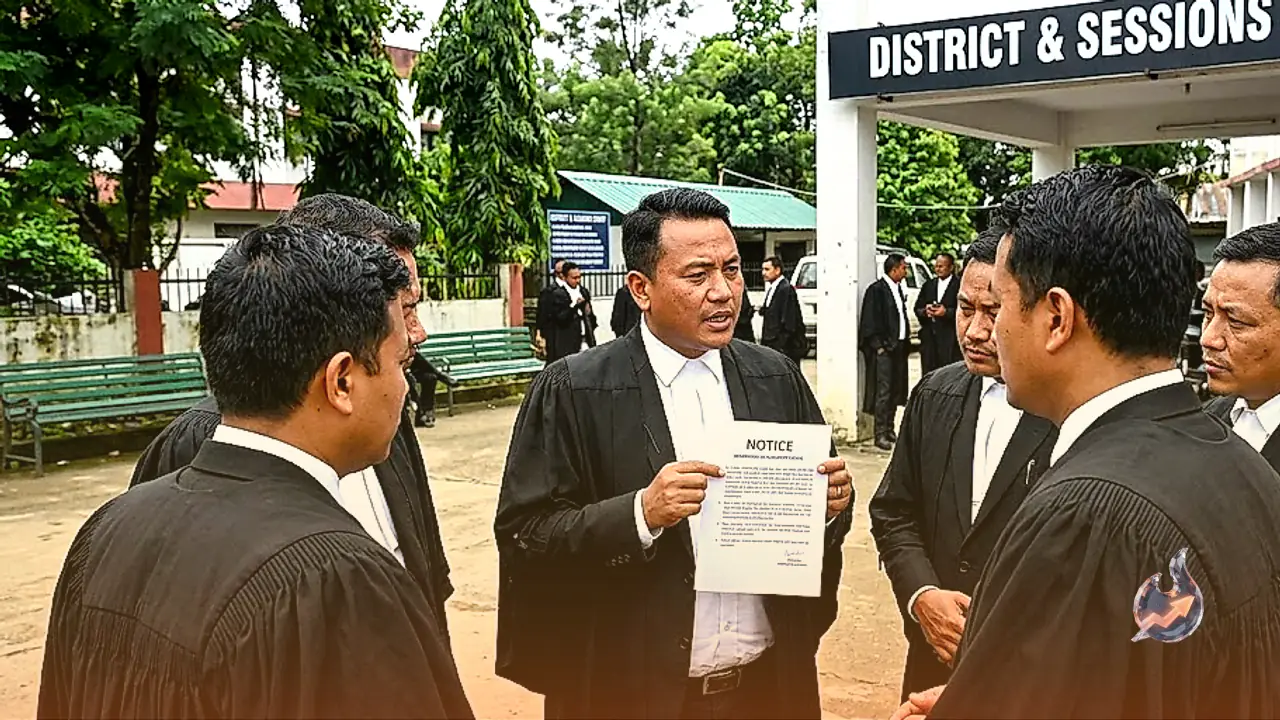
Under the protest outline approved by the association, legal practitioners practicing in district courts have been instructed to follow a specific demonstration protocol on September 25. Members are required to mark their presence inside their designated courtrooms while intentionally shedding their professional dress code by not wearing their prescribed coats and advocate bands. The legal body indicated that future courses of action will be evaluated and determined only after assessing circumstances following the September 25 protest.
Three-Month Deadline and Demand for a Local Appointee
Two central grievances underpin the continuous agitation by the state's legal fraternity. The primary demand centers on appointing an indigenous lawyer from Nagaland to the office of the Advocate General. According to the bar association, no legal practitioner native to Nagaland has occupied the constitutional office since Nagaland officially achieved statehood in 1963. The association had previously served the state administration with a three-month deadline to execute the local appointment, which officially elapsed on September 13.
Controversy Surrounding Alleged Supreme Court Remarks
The secondary catalyst behind the unrest involves an alleged remark attributed to Balgopal during judicial proceedings in the Supreme Court on September 1. He was reportedly cited as claiming that the state possesses only two employment avenues, government jobs and underground work. The bar association strongly denounced the reported statement as derogatory toward the people of Nagaland, stating it severely compromised the Advocate General's moral authority. Consequently, the strike on September 25 is designed to register unified disapproval against both the contentious remarks and the state government's reluctance to intervene.