
























Beneficiaries of the Ayushman Bharat Pradhan Mantri Jan Arogya Yojana in Nagaland must link their health cards with Aadhaar to ensure uninterrupted access to cashless treatments at empanelled healthcare facilities. A data review within the beneficiary identification system indicated that over 1.14 lakh Ayushman cards across the state remain unlinked. Addressing this gap, the Nagaland Health Protection Society has stipulated November 30, 2026, as the official deadline for completing the integration.
Target Group and Verification Guidelines
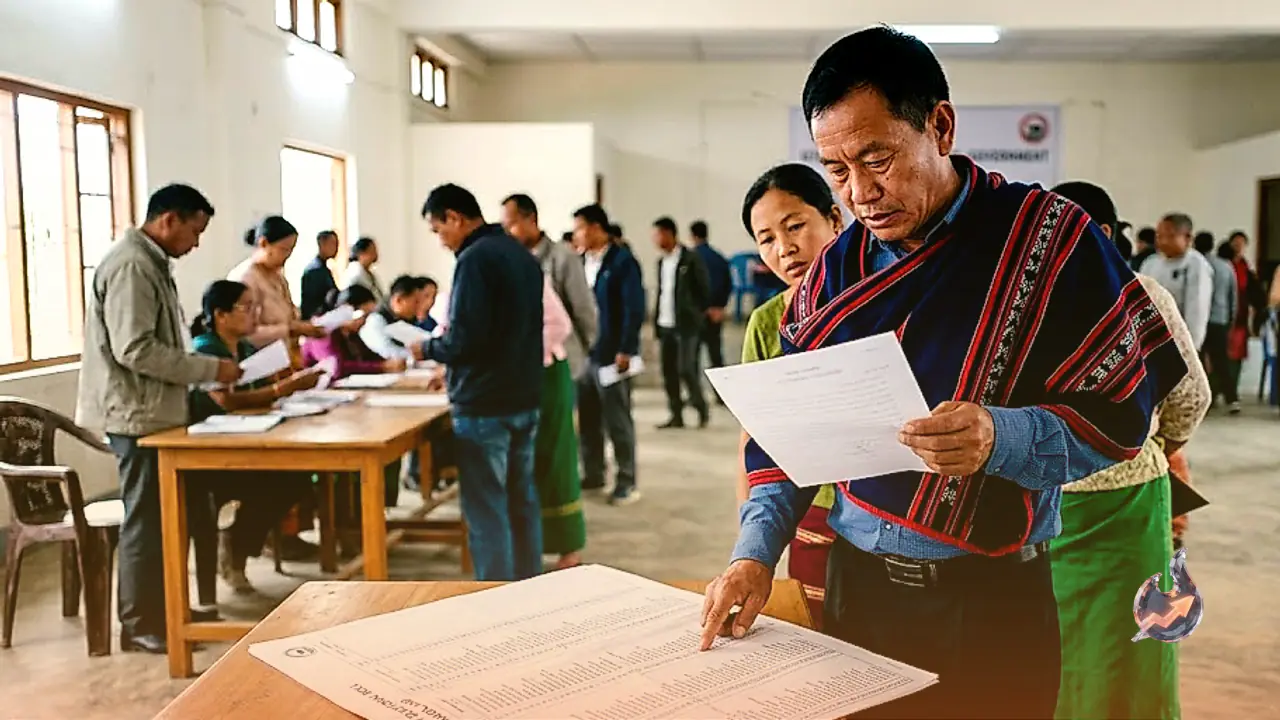
The directive applies specifically to individuals whose Ayushman cards were issued between 2018 and September 2022. Holders from this period have been asked to verify their current linkage status without delay. Those whose records show missing connections can finalize the procedure through the Card Generation portal, also known as the BIS platform. To facilitate identification, the authorities have also released a dedicated roster of beneficiaries whose health cards are yet to be mapped to their identity documents.
Designated Centres for Completing Linkage
To assist citizens in updating their credentials, multiple administrative and local touchpoints have been authorized. Cardholders can visit the offices of Chief Medical Officers or utilize Common Service Centres and Village Level Entrepreneurs in their localities. In addition, the update process can be completed through recognized card vendor agencies as well as hospitals empanelled under the healthcare scheme.
Risk of Card Deactivation After Deadline
The administrative society cautioned that any Ayushman card failing to meet the linkage requirements by November 30, 2026, risks being disabled. Individuals facing deactivation will lose immediate cashless privileges and will be required to complete fresh electronic Know Your Customer verification on the BIS portal before their medical benefits can be reinstated.
Shift in Operational Framework
During the scheme's initial phase between 2018 and September 2022, registrations drew from the Socio-Economic Caste Census and Rashtriya Swasthya Bima Yojana records, which permitted card creation without mandatory identity linking. As the National Health Authority transitioned toward structured digital mapping across its IT platform, direct Aadhaar validation became compulsory to streamline records and verify individual entitlements.