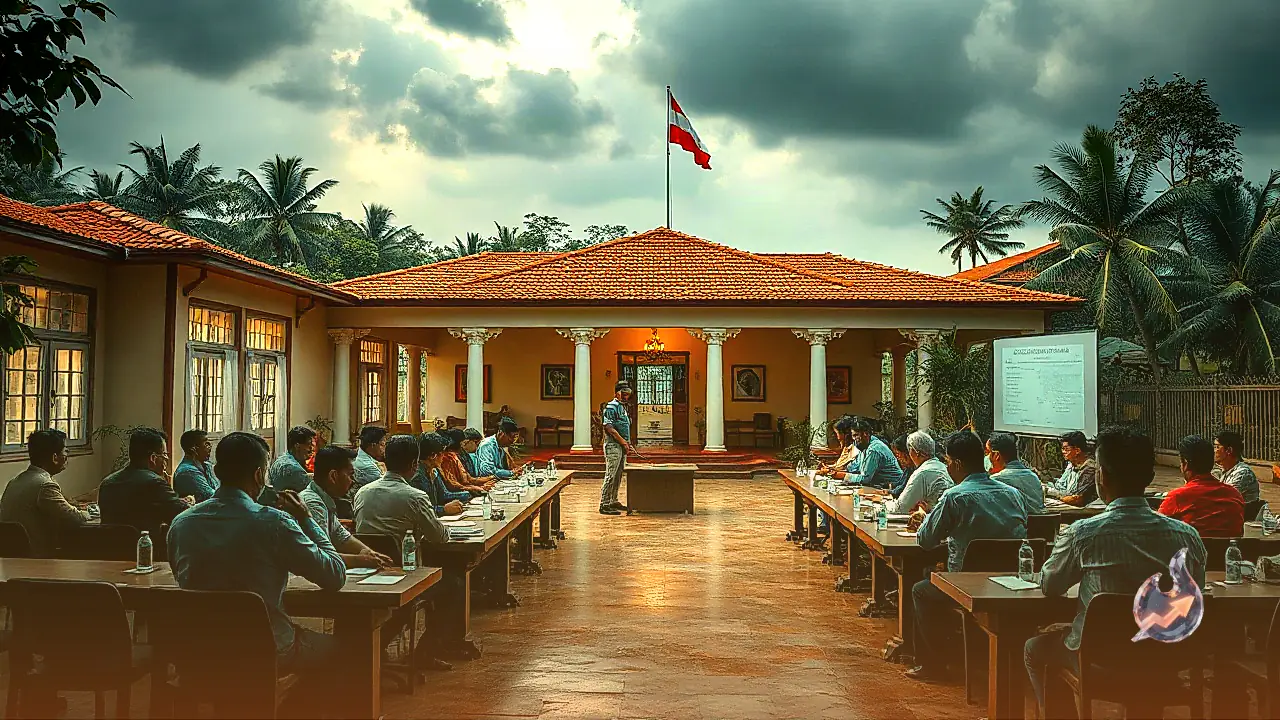























At a high-level review assembly held at Lok Bhavan in Kohima, Nagaland Governor Nand Kishore Yadav convened with senior representatives from the Rubber Board Regional Office in Dimapur to thoroughly evaluate the state of rubber plantation, production metrics, infrastructure, and ongoing welfare schemes across Nagaland.
Statistical Breakdown of Rubber Plantation and Production Metrics
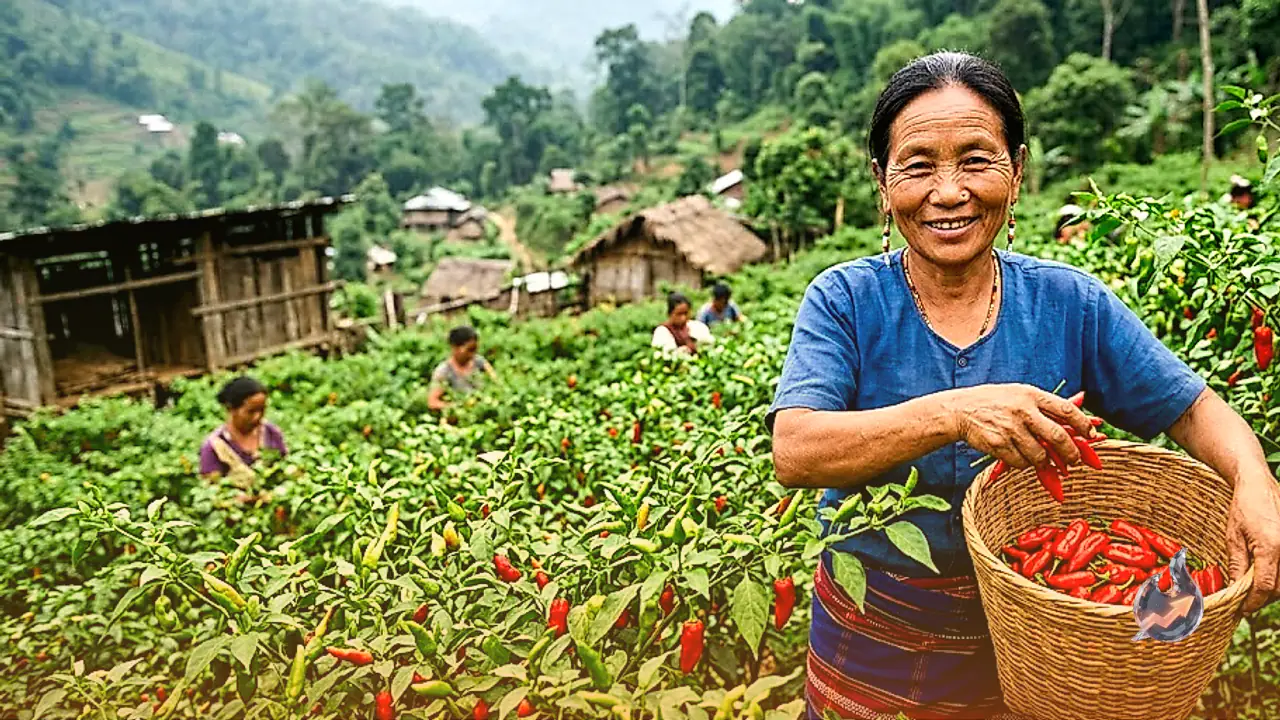
Detailed data submitted during the Wednesday review session revealed that Nagaland recorded a total of 29,794.39 hectares dedicated to rubber cultivation as of March 31, 2026. Within this agricultural expanse, mature plantations ready for tapping covered 11,977.71 hectares, whereas immature plantations accounted for the remaining 17,816.68 hectares. In terms of overall output, Nagaland produced 13,617.21 metric tonnes of natural rubber, yielding an average productivity rate of 1,166.03 kg per hectare across cultivated zones.
Key Institutional Initiatives and Ecosystem Strengthening
The review comprehensively examined multiple targeted interventions spearheaded by the Rubber Board to fortify the sector's operational foundation. A major focus was placed on the Indian Natural Rubber Operations for Assisted Development (INROAD) Project, designed to drive extensive plantation expansion and strengthen the natural rubber ecosystem throughout the Northeastern region. This flagship initiative aims to ensure long-term agricultural sustainability while lifting the socio-economic standing of local growers.
To optimize post-harvest operations, officials highlighted the setup of Group Processing Centres. These specialized facilities facilitate collective rubber processing, significantly enhancing the uniformity and market quality of processed rubber sheets while lowering production costs for smallholders. Furthermore, ongoing capacity-building programs continue to empower farmers through field-level training sessions, practical demonstrations, awareness workshops, and exposure visits designed to modernize cultivation techniques.
Targeted Skill Training and Technological Disease Interventions
Addressing the acute shortage of trained tapping personnel in the state, the Rubber Board has expanded the implementation of the Tappers' Intensive Skill Improvement Programme (TISP). This specialized curriculum delivers hands-on, practical instruction in scientific rubber tapping methods to build a reliable local workforce. Concurrently, modern technology has been deployed to combat agricultural threats, specifically abnormal leaf fall disease. Officials reported that drone-assisted spraying of Copper Oxychloride was executed over 171.15 hectares across Wokha, Peren, and Niuland districts to protect vulnerable rubber trees.
Field Operational Challenges and Strategic Outlook
Despite progress, the assessment identified several persistent operational bottlenecks hindering the rubber sector in Nagaland. Key obstacles include poor rural road connectivity that disrupts supply chains, a shortage of skilled domestic tappers leading to heavy reliance on migrant labor from outside the state, restricted access to broader commercial markets, and crop destruction caused by wildlife encroaching on plantations.
Looking to the future, the Rubber Board announced plans to broaden farmer training, scale up skill development programs, and set up additional Group Processing Centres. The Board will work in close coordination with the Department of Land Resources under the Nagaland government. Preparation is also underway for the potential rollout of the INROAD 2.0 initiative to further accelerate sector growth across the region.