




















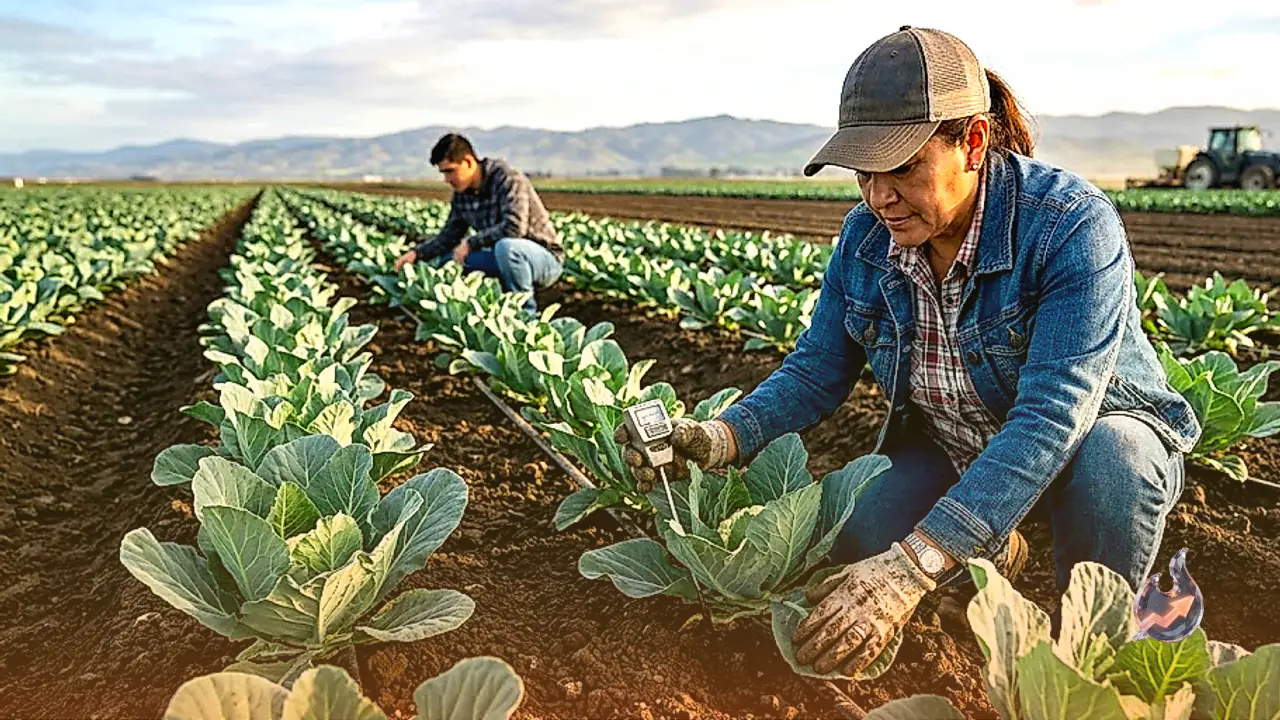

Cauliflower cultivation holds strong commercial potential for vegetable growers seeking consistent earnings. However, securing a profitable harvest requires disciplined management from the very start of the cropping cycle. Minor oversights during field preparation or maintenance frequently lead to stunted plant growth and underdeveloped curds. Agricultural scientist Dr. Avneesh Kumar Mishra points out that adhering to systematic agricultural guidelines across every stage helps farmers maintain plant vigor and achieve optimal output.
Soil Conditioning and Seedbed Preparation
Establishing the right physical structure of the soil is essential for healthy crop establishment. The field must feature loose, friable soil along with effective drainage, as stagnant water poses a severe threat to crop development. Before transplanting or sowing, thorough plowing is required to break up hard clods and level the surface evenly. Integrating well-rotted farmyard manure or decomposed compost into the soil during land preparation significantly enriches organic matter and strengthens overall soil quality.
Certified Seed Selection and Spacing Guidelines
The foundation of a productive crop rests on using healthy, certified seeds suited to regional conditions. Farmers should pick varieties aligned with local agro-climatic factors, as subpar or unverified seeds result in poor germination rates and fewer productive plants. During transplantation, only sturdy, disease-free seedlings should be moved to the main field. Maintaining appropriate spacing according to the selected variety is equally crucial. Crowding seedlings together restricts air circulation, sunlight penetration, and nutrient uptake, which directly compromises the final size and density of the curds.
Water Management and Irrigation Timing
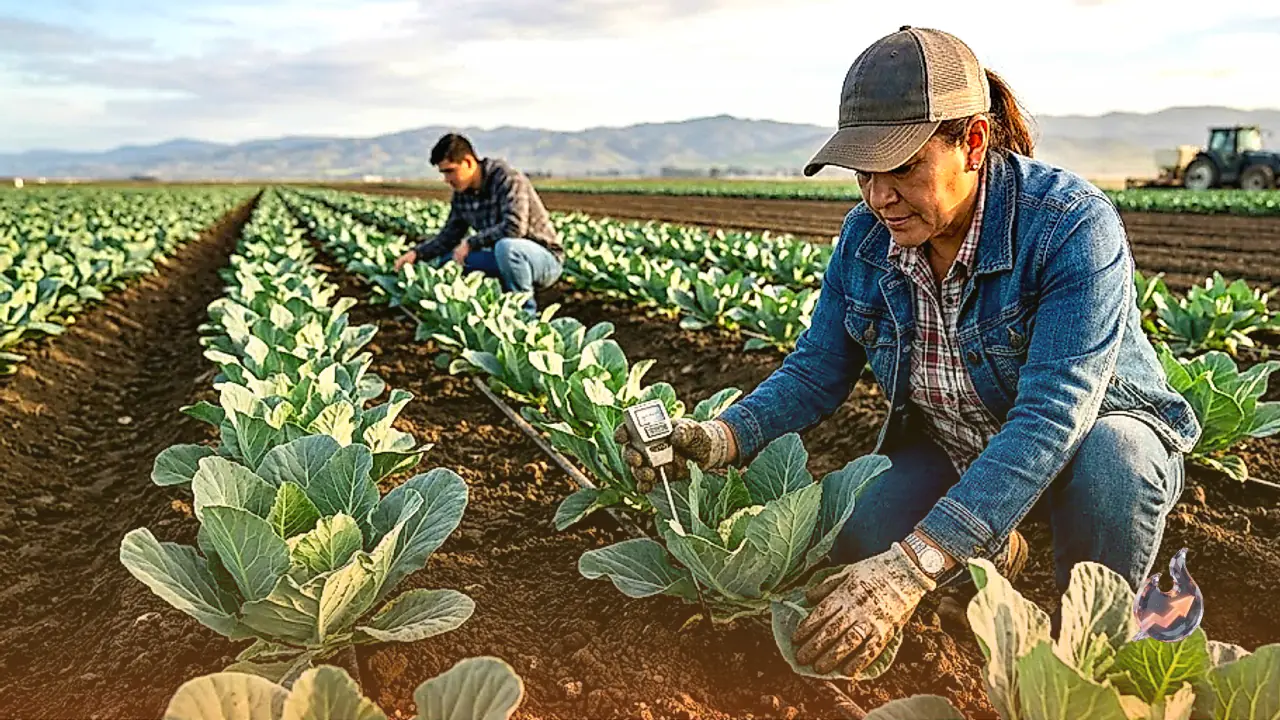
Managing soil moisture requires close precision throughout the crop cycle. Inadequate soil moisture suppresses vegetative development, while excessive moisture or standing water risks root decay. Irrigation schedules must therefore be aligned with actual field moisture levels rather than rigid timelines. Maintaining adequate moisture is especially vital when the head begins to form, as moisture deficits during curd development heavily impair quality.
Weed Control and Balanced Crop Nutrition
Unchecked weed growth actively depletes critical resources, depriving cauliflower plants of valuable soil nutrients, water, and space. Regular hoeing and weeding must be performed to maintain clean fields and ensure roots have unhindered access to nutrition. Plant nutrition should be tailored to actual soil test readings and specific crop requirements rather than generic fertilizer applications. Applying excessive nutrients can damage plant health and soil balance, making measured inputs the safest route to sustained growth.
Pest Monitoring and Timely Harvesting
Frequent field inspections allow growers to catch pest infestations and diseases before they spread. Symptoms such as perforated foliage, leaf curling, or sudden stagnation in growth demand prompt investigation. Early detection simplifies intervention, though any chemical treatments should strictly follow recommendations from agricultural specialists. Finally, harvesting must take place as soon as the curd reaches mature size and remains tight and firm. Delaying harvest causes curds to loosen and discolor, degrading commercial quality and market value.