

















Political dynamics in Manipur have witnessed unexpected developments following an aggressive multi-week offensive against Congress Lok Sabha member Angomcha Bimol Akoijam. Rather than diminishing his stature, the intense public demonstrations mounted by the ruling Bharatiya Janata Party appear to have galvanized substantial grassroots support for the academic-turned-politician, particularly among younger residents across the Meitei-majority Imphal Valley. The unforeseen public resonance has prompted introspective evaluations among senior functionaries regarding the political cost and effectiveness of their original posture.
The Dismissal Row and Demands for Resignation
The controversy erupted following an administrative order by Jawaharlal Nehru University on October 9, which terminated Akoijam from his academic role. The university acted after reviewing complaints of alleged sexual harassment submitted by 11 female students. Akoijam unequivocally rejected every accusation, questioning the credibility of the internal investigation and characterizing the administrative action as a politically orchestrated effort to malign him.
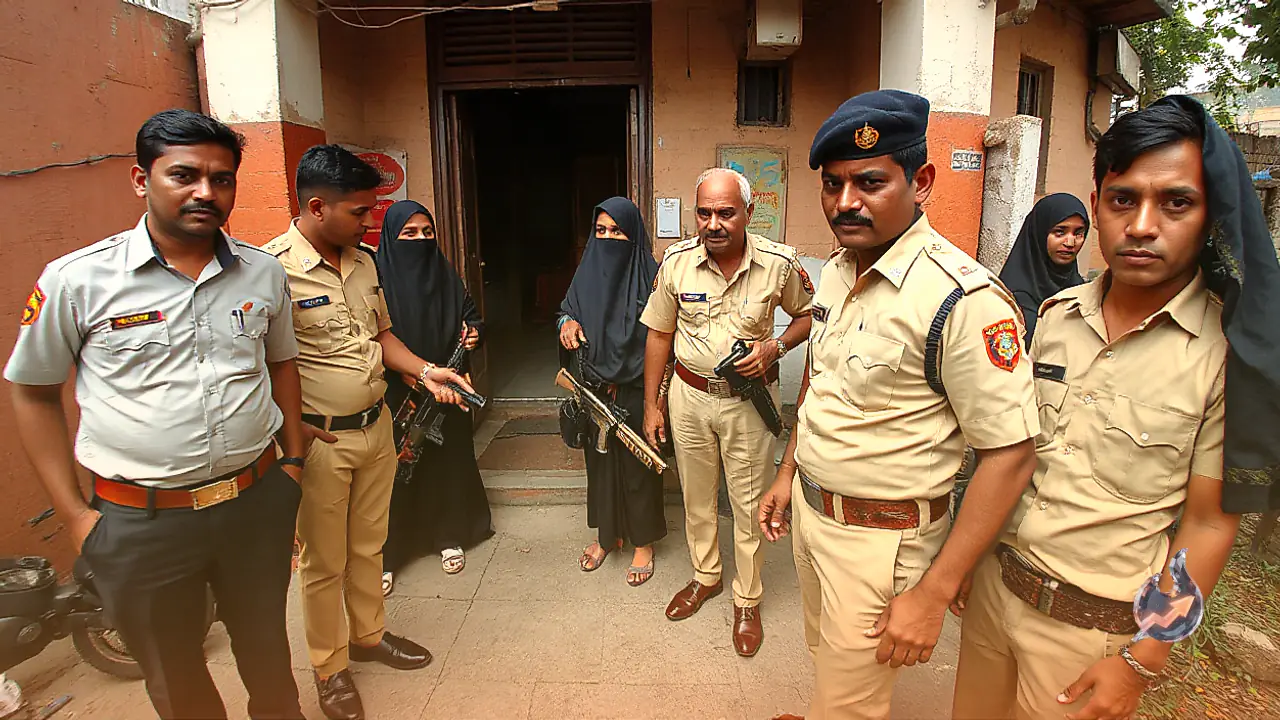
Capitalizing on the university order, the state unit of the BJP launched a coordinated drive against the parliamentarian. On October 10, members of the party's Mahila Morcha staged a march toward Congress Bhavan in Imphal, demanding his immediate resignation from Parliament. Chief Minister Y. Khemchand Singh openly insisted that Akoijam step down from his parliamentary seat, while former Chief Minister N. Biren Singh publicly questioned the propriety of senior Congress figure Rahul Gandhi backing the embattled lawmaker in the face of such allegations.
Expanding Demonstrations From Imphal to New Delhi
The ruling party soon expanded its mobilization beyond the state borders to build sustained national visibility. On October 13, an official delegation of women parliamentarians alongside state unit president A. Sharda Devi met President Droupadi Murmu at Rashtrapati Bhavan, seeking urgent intervention in the matter. Concurrently, the party's women's wing organized street agitations across multiple cities, including New Delhi, to intensify pressure on the national opposition leadership. By October 16, the youth wing in Imphal had mobilized another large demonstration through the state capital.
Counter Rallies and Growing Youth Resonance
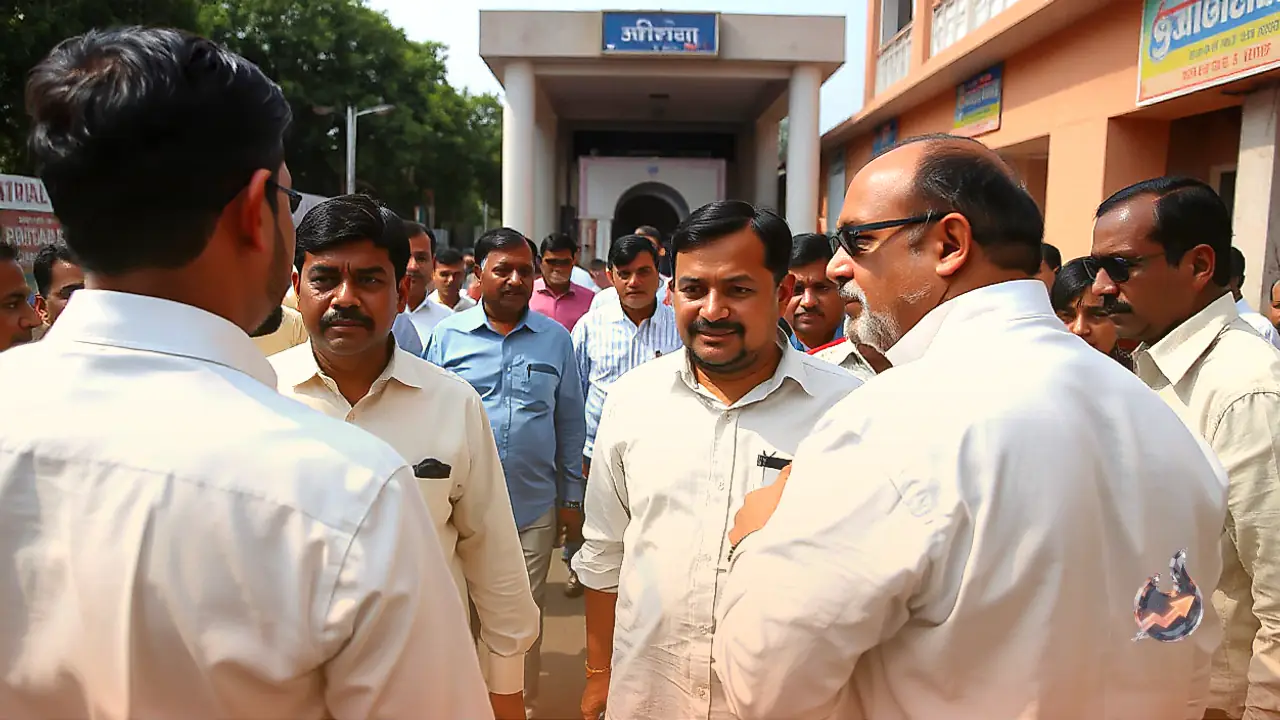
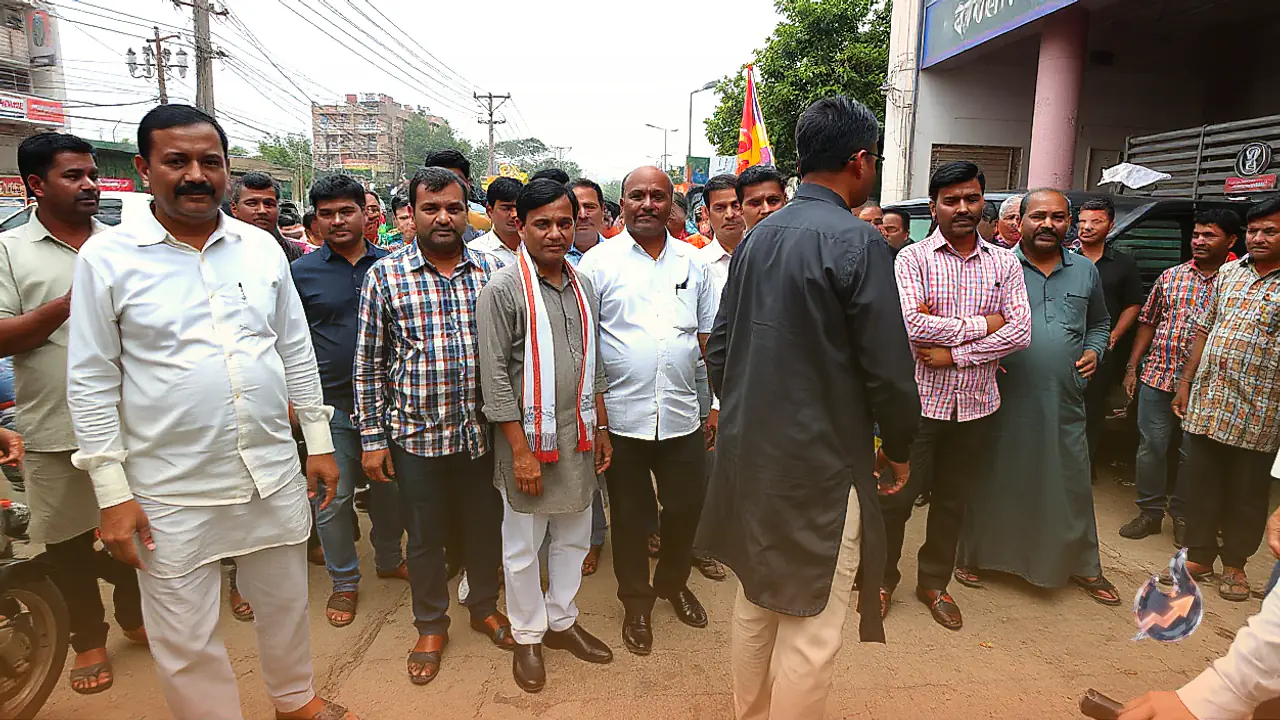
Despite sustained institutional pressure, the political narrative shifted when substantial numbers of local citizens took to the streets in support of the parliamentarian. On October 14, a massive gathering dominated by young people assembled across key avenues in Imphal. Marchers directly accused the ruling establishment of weaponizing administrative mechanisms against an elected representative who vocalizes regional interests, before directing their march toward the state party headquarters.
Concurrently, discordant notes surfaced from within ruling legislative ranks. BJP lawmaker Tongbram Robindro Singh departed notably from the collective party narrative by publicly articulating personal trust and admiration for Akoijam. He praised the MP for courageously raising critical regional concerns on the floor of the Lok Sabha, while constructively counseling the parliamentarian to seek legal exoneration through the judicial system to dismantle the allegations permanently.
From the opposition bench, former Chief Minister and veteran Congress leader Okram Ibobi Singh cast doubts on the specific timing of the university action, calling for an unfettered legal process devoid of extraneous political interference.
Internal Assessments and Revised Political Countermeasures
The evolving ground reality has produced candid self-examination among senior leaders, with certain veteran figures acknowledging privately that launching intensely personal offensives against the parliamentarian yielded an adverse reaction. These leaders noted that state party chief A. Sharda Devi adopted an excessively confrontational approach without accurately reading the public mood, unintentionally expanding Akoijam's grassroots appeal among youth in the Imphal Valley.
Frontline youth cadre, feeling the shifting political climate during interactions across residential hubs, approached senior party managers seeking viable communication strategies to counter the MP's momentum. In response, strategic advisors suggested exploiting ideological divergences within the opposition coalition.
Specifically, senior leaders recommended highlighting the national Congress leadership's traditional reservations toward implementing the National Register of Citizens (NRC). Given that Akoijam has consistently championed the prompt implementation of an NRC framework within Manipur to protect local demographic interests, highlighting the stark contrast between his localized stance and the central Congress policy is seen as a potent counter-strategy.
Factional Crosscurrents and Future Trajectories
Not everyone within ruling circles perceives this surge in popularity as an insurmountable political hurdle. Multiple insiders argue that the parliamentarian's primary vulnerability may not stem from external adversaries, but rather from the complex internal power structures of the state Congress itself.
Entrenched veteran leaders surrounding former Chief Minister Okram Ibobi Singh wield considerable organisational leverage that could constrain Akoijam's political mobility over time. Internal party friction might restrict his influence far more effectively than external protests. How the ruling apparatus navigates these complex fault lines in the months ahead will prove decisive in shaping the state's broader political landscape.