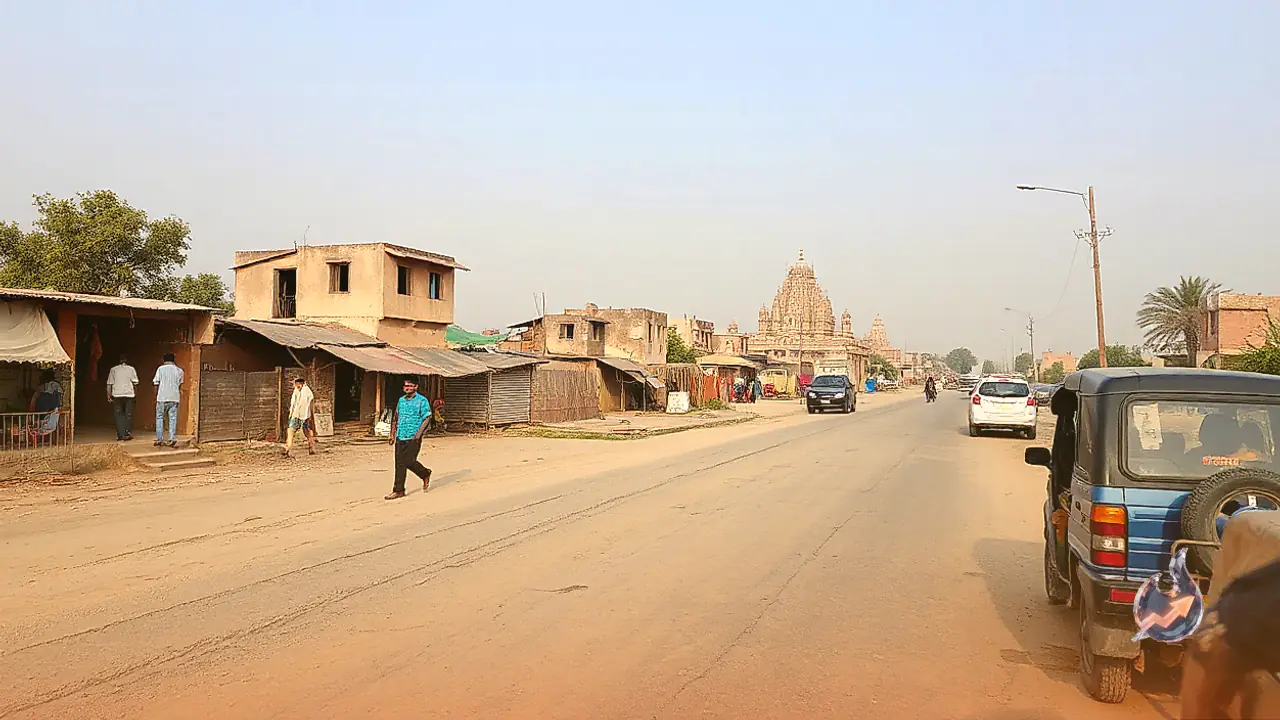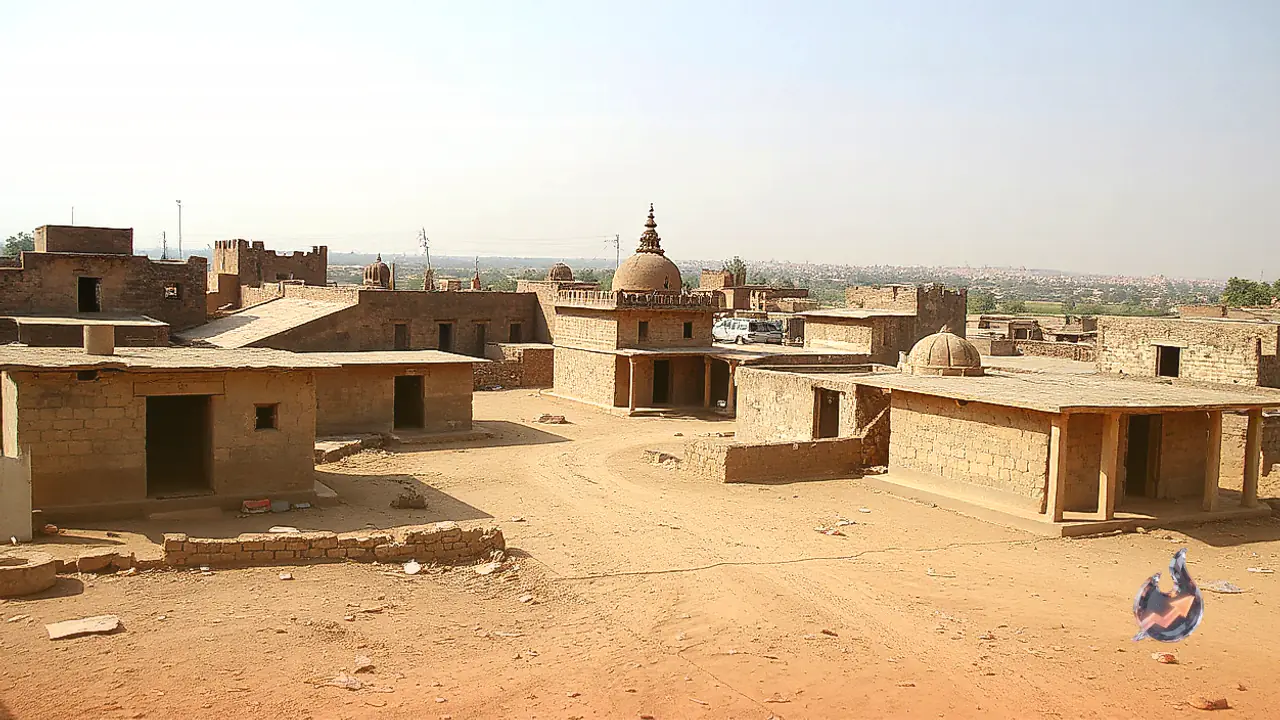

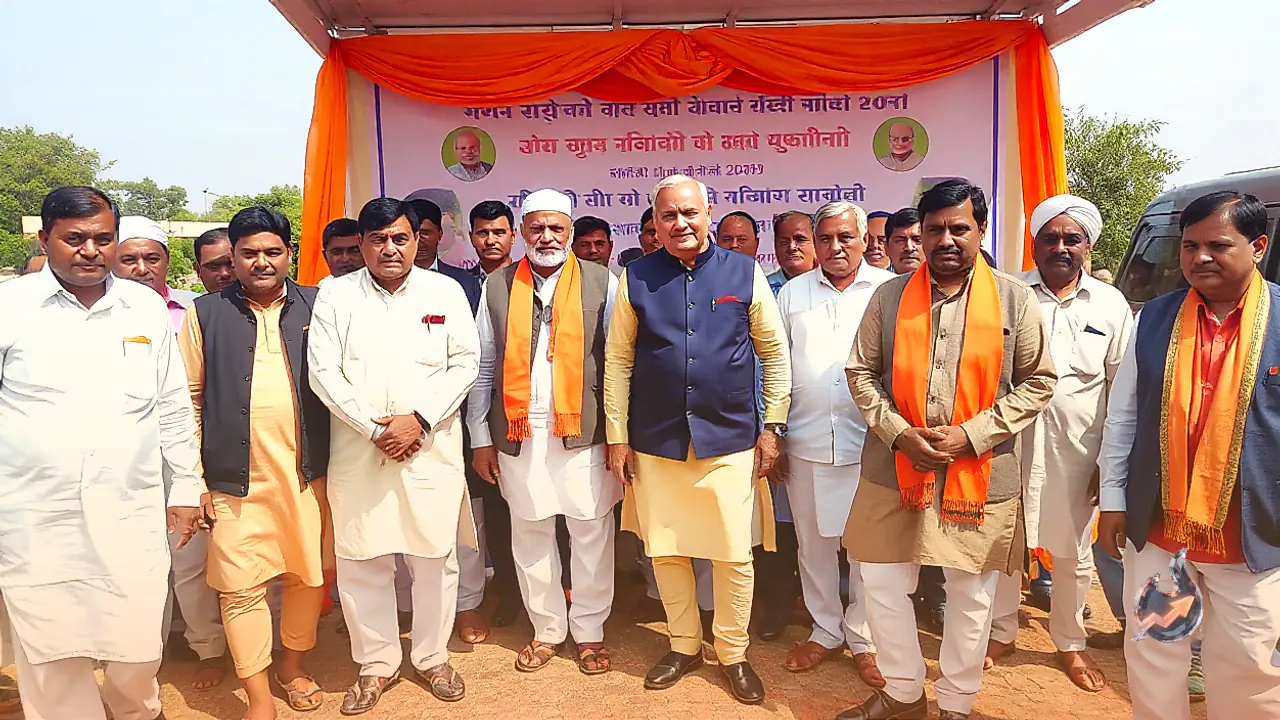
















The historical geography of Chandravati, situated near Abu Road in Rajasthan's Sirohi district, remains uniquely tied to its natural waterways and strategic landscape. Positioned directly at the junction of three streams, the ancient township earned the local designation of Chandrotri. The everyday rhythm, defence, and expansion of this urban centre were intimately governed by its hydrological network. Local resident and former village sarpanch Dinesh Kumar points out that the heritage settlement, anchored along the West Banas River, stretched out extensively into the valleys formed by the Sivarni and Sukdi rivers. Although Sivarni functions primarily as a seasonal stream today, its riverbanks once cradled sprawling residential colonies, fortified complexes, stone sanctuaries, and sophisticated stepwells. During the monsoon months, water descending rapidly from the surrounding hills swells the volume of the stream, driving its flow directly into the West Banas River.
Industrial Pressures and Relics Uncovered by Natural Erosion
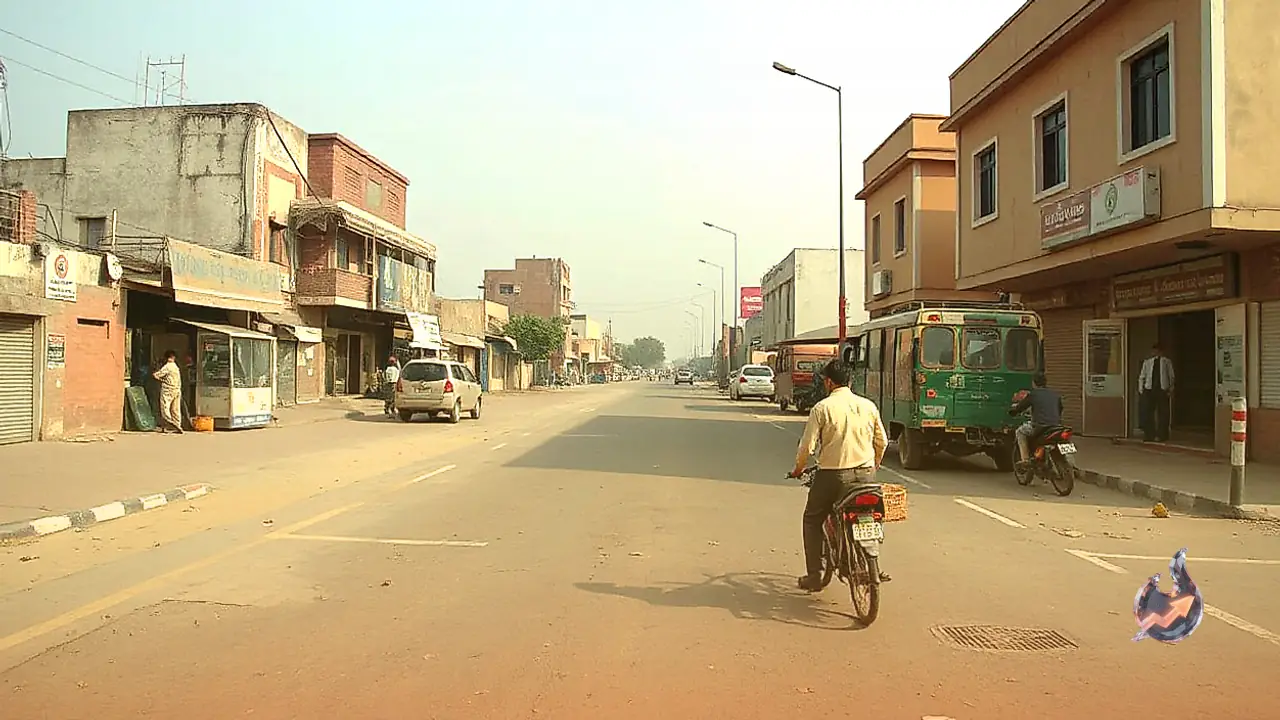
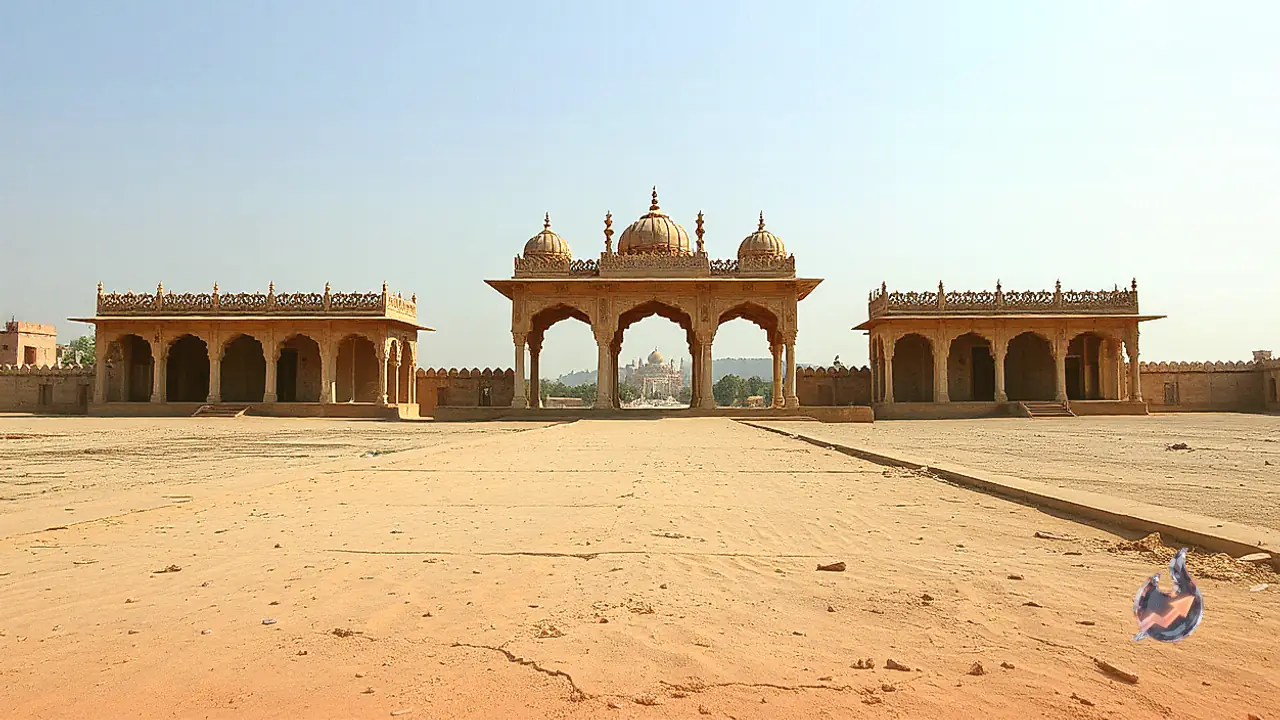
The modern establishment of a RIICO industrial area within the vicinity of Chandravati has introduced serious ecological challenges to the local aquatic ecosystem. Discharges of industrial refuse, particularly marble slurry waste, have contributed to climbing pollution levels within the Sivarni riverbed. Simultaneously, progressive population growth in nearby pockets has physically narrowed the channel's natural footprint. Nevertheless, whenever heavy rains cause mountain torrents to surge through the river and lift water levels, soil erosion along the banks exposes subterranean structural masonry and sculpted stone figures. Present-day residents commonly refer to the locality as Chandrotri. Once an energetic city humming with civic architecture, ornate palaces, and commercial caravans, the site now presents the quiet demeanor of a rural village. The numerous sculptural finds and recovered artefacts have since been transferred for public preservation to the Chandravati Nagari Museum in Abu Road and the Government Museum in Mount Abu.
Paramara Capital and Strategic Trade Corridor
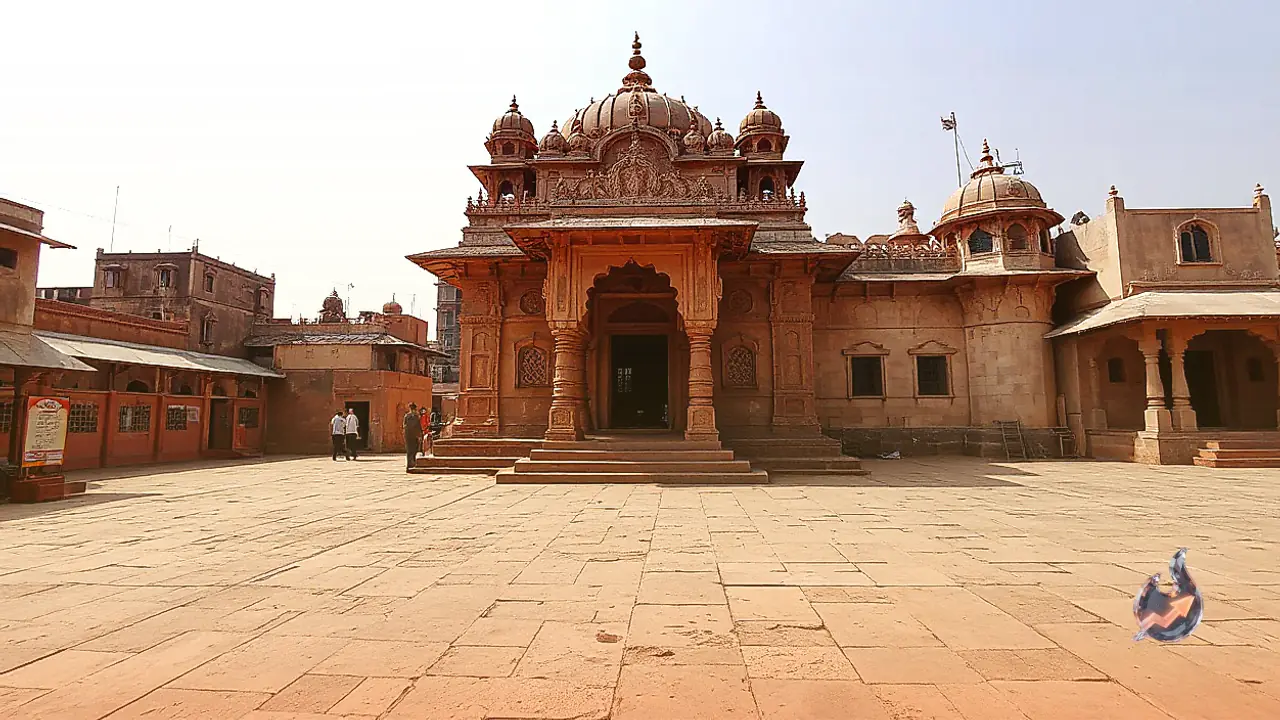
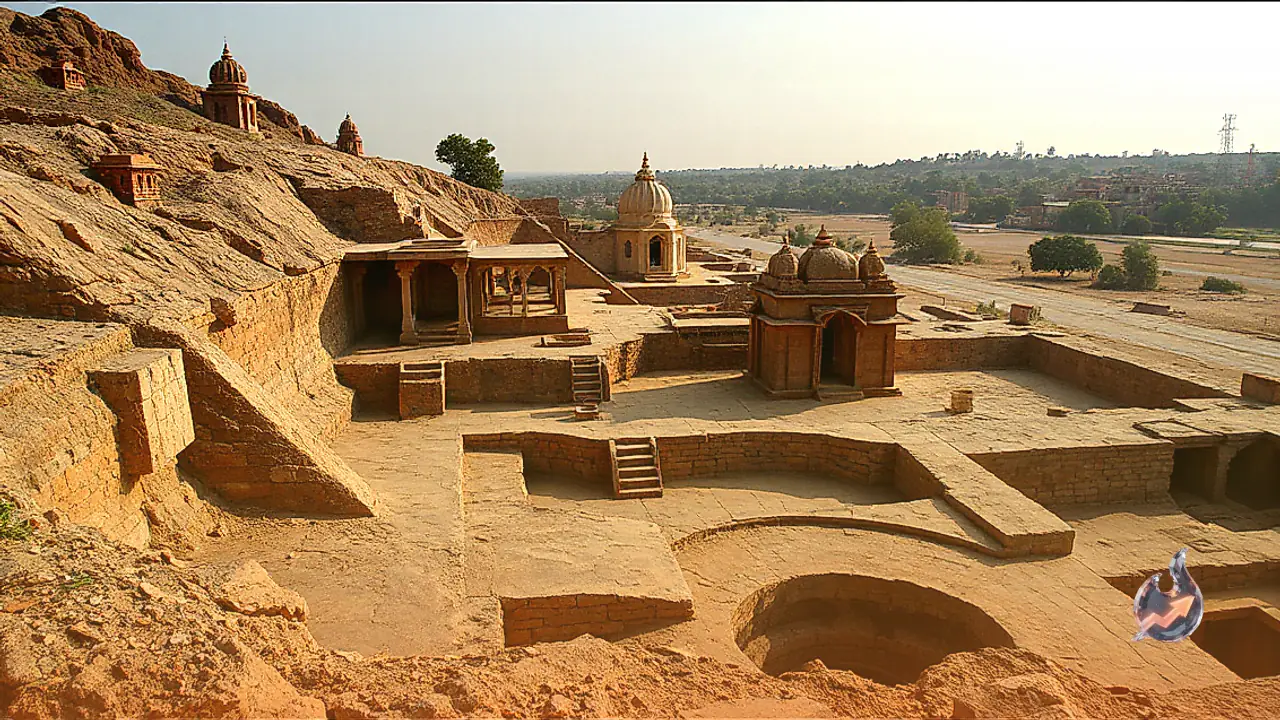
Systematic field excavations and historical investigations conducted by the archaeology department establish that Chandravati functioned as a primary royal capital for the Paramara dynasty during the 11th and 12th centuries. The settlement occupied an advantageous geographical vantage point, sitting along the vital commercial highways connecting the provinces of Rajasthan, Gujarat, and Malwa. Urban planning reflected deliberate defensive foresight: the core citadel of the settlement was positioned within the West Banas river valley, whereas the adjacent Sivarni river valley was developed primarily for civil accommodation and religious institutions. Archaeological digs directed by Professor J S Kharakwal in this valley successfully brought to light the structural remains of approximately 36 ancient temples and 12 historic stepwells, with many representative remnants maintained in regional museum collections.
Artistic Grandeur, Multi-Faith Sanctuaries, and Historical Destruction
The sacred shrines excavated throughout the Sivarni river valley represent prominent traditions of both Shaivism and Jainism. Archaeological operations uncovered finely worked Shiva lingams, sculptured Nandi figures, and stone idols of Bhagwan Mahavira, Parshvanatha, and Chaumukhi Jain images. Furthermore, classical depictions of Brahma, Vishnu, Surya, and Mahishasuramardini were retrieved from the collapsed layers. The meticulous carvings across each of these surviving panels reflect the sophisticated aesthetic craftsmanship cultivated by medieval stone carvers. However, changing geological conditions along with recurring military incursions systematically eroded the prosperity of Chandravati. The historical township suffered heavy destruction during the campaigns of Mahmud of Ghazni in 1024, Qutb al-Din Aibak in 1197, and subsequent military expeditions undertaken by Alauddin Khalji. Alongside the shrines, the 12 uncovered stepwells stand as enduring physical documentation of the society's remarkably advanced water harvesting and hydrological infrastructure.