
















The Katarniaghat Wildlife Sanctuary in Bahraich has emerged as a beacon of hope for endangered aquatic reptiles, establishing a model where ecological preservation and tourism coexist. Through dedicated programs targeting species like the rare spotted pond turtle, Indian crocodiles, and gharials, local conservation efforts are actively reversing the threat of extinction. These initiatives not only protect the region's rich biodiversity but also provide visitors with immersive educational experiences.
Enclosures Designed for Rare Turtles and Cleaners
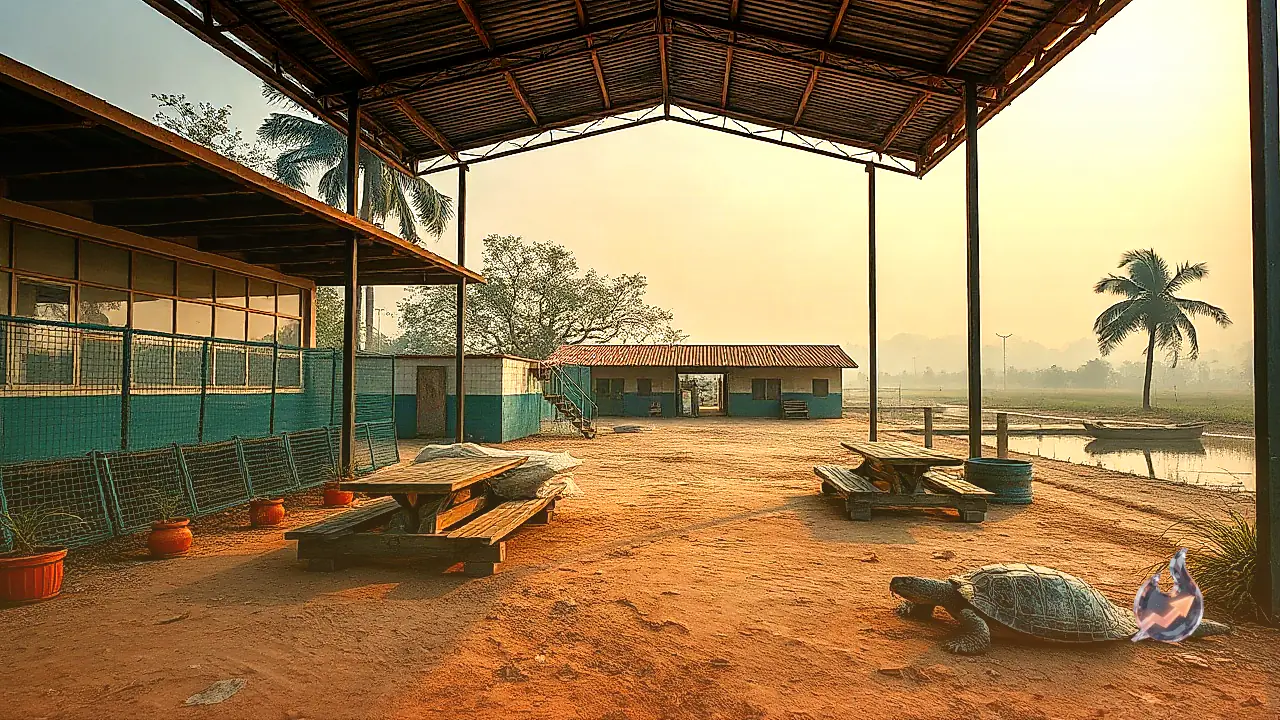
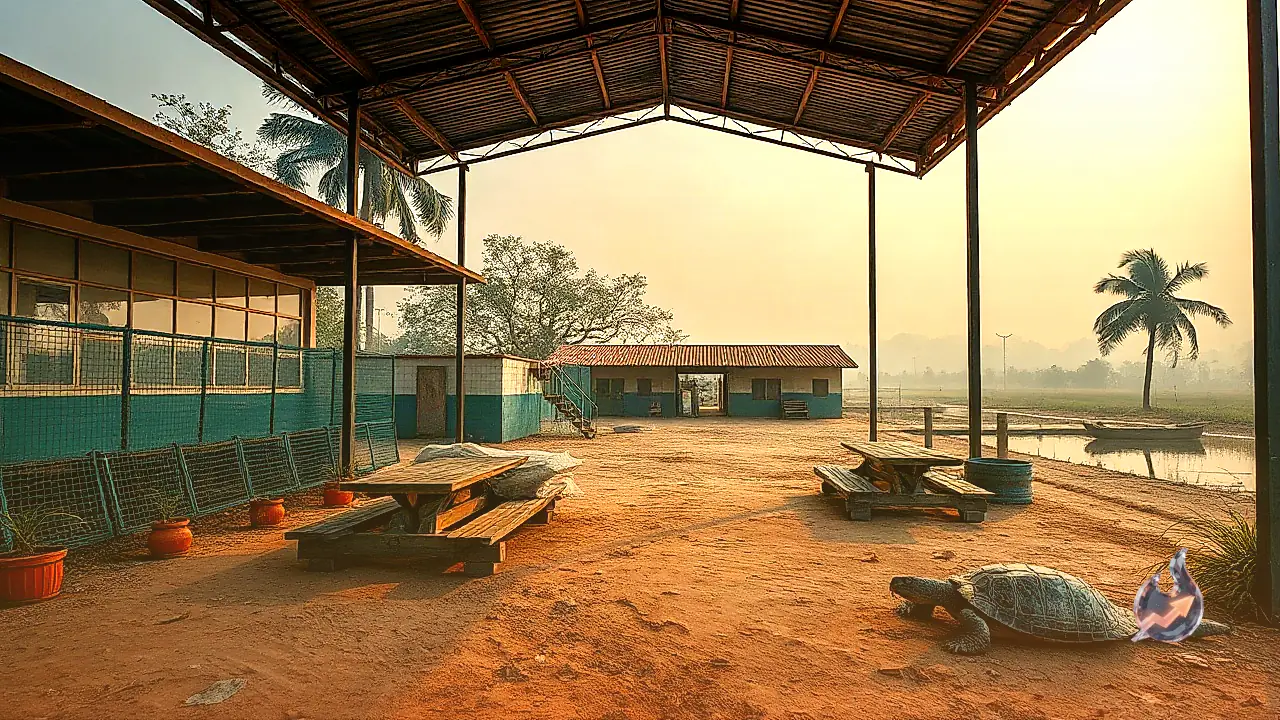
At the Katarniaghat Gharial Center, specialized tanks have been constructed to house the rare spotted pond turtle. Known for its distinctive dark shell adorned with striking yellow and white spots, this unique reptile is kept in secure, mesh-guarded enclosures to ensure its safety. To bridge the gap between human curiosity and wildlife preservation, the forest department has set up detailed educational signboards around these tanks. This allows tourists to learn about the turtles' ecological importance while observing them up close. Alongside them, the Indian black turtle plays a vital role in maintaining the health of local aquatic environments. Being omnivorous, these freshwater turtles act as natural purifiers for water bodies. The conservation center has created natural ponds and mud-covered enclosures that mimic their native habitats, showcasing a highly successful approach to biodiversity management.
The Crucial Gharial Breeding Program and Habitat Design
The survival of the gharial, a species hovering on the brink of extinction, relies heavily on Katarniaghat’s specialized breeding and conservation center. This facility acts as a lifeline for the local aquatic ecosystem, particularly within the river systems of the Gerua and Ghaghra. Inside the breeding center, young gharials that hatch from eggs are given extra protection. They are housed in specially designed water pools with concrete and sandy platforms, keeping them safe from natural predators and harsh environmental conditions. Once these young reptiles grow strong enough to defend themselves in the wild, they are reintroduced into their natural river systems. For adult gharials and crocodiles, the center provides carefully balanced enclosures. Since sunbathing is critical for their thermoregulation and overall health, these iron-mesh enclosures feature a perfect combination of deep water pools and dry, sandy banks.
Balancing Visitor Safety and Natural Ecotourism
The forest department has meticulously designed the sanctuary to balance the safety of tourists with the natural lifestyle of the resident Indian crocodiles. Large crocodiles, which play a major role in keeping the river ecosystems balanced, can be seen on specially prepared resting beds. Visitors can safely observe these massive predators without disrupting their natural habits. To enhance the educational aspect of the tour, the department has installed informative boards detailing the scientific names, natural behaviors, and geographic origins of each species. This initiative has transformed Katarniaghat into a popular ecotourism destination, where quiet rivers, dense green grasslands, and boating facilities allow people to witness gharials, crocodiles, and migratory birds in their natural habitats.