





















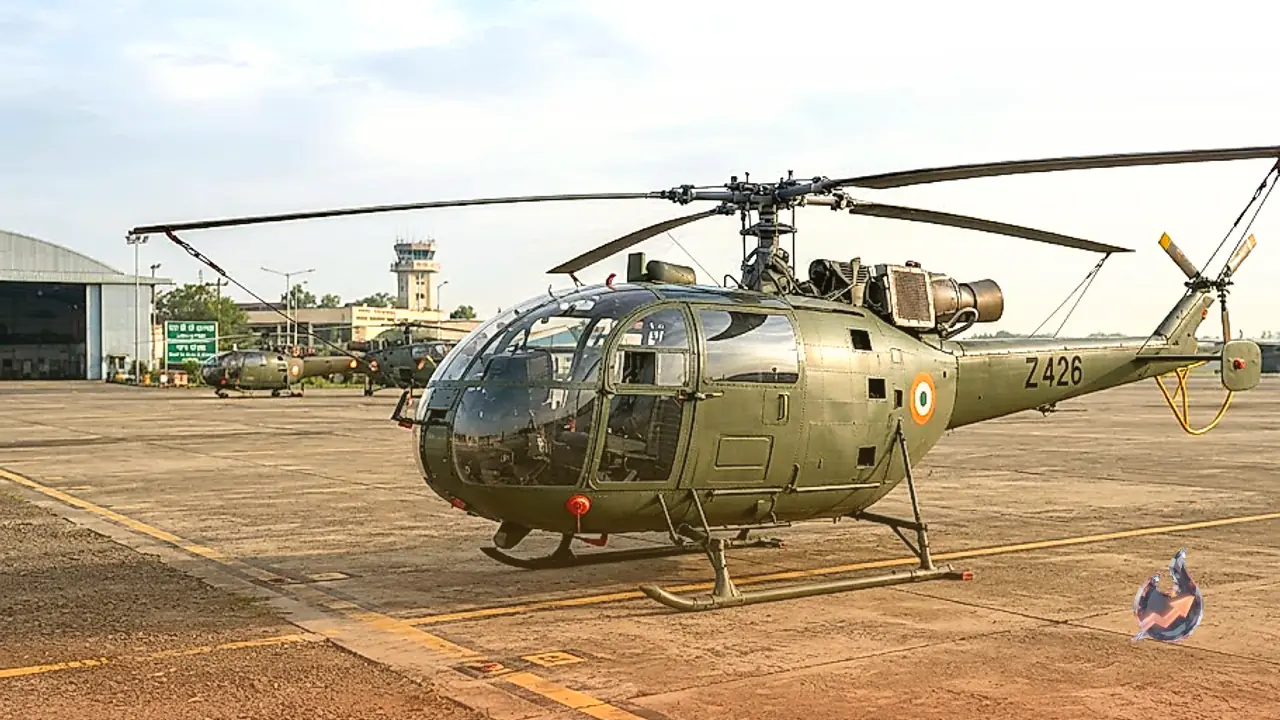

Preparations to replace the ageing Cheetah and Chetak helicopter fleets operated by the Indian Army and the Indian Air Force have gained significant momentum. The Defence Acquisition Council, functioning under the Ministry of Defence, has granted formal approval for a major proposal to procure 200 light multipurpose helicopters. This substantial project, estimated to cost around Rs 20,000 crore, envisions manufacturing these advanced aircraft domestically within the country under the leadership of Indian industrial enterprises. Meanwhile, the indigenous Light Utility Helicopter developed by the public sector undertaking Hindustan Aeronautics Limited is also expected to play a vital and decisive role in fulfilling the diverse operational requirements of both military services.
Modernisation of the Army and Air Force Fleets
A comprehensive initiative is currently underway to modernise the helicopter fleets of both the Indian Army and the Indian Air Force to meet contemporary security challenges. Over the coming years, both military branches will collectively require approximately 400 light helicopters as their legacy Cheetah and Chetak aircraft are scheduled to be phased out in a phased manner. Acknowledging this pressing operational necessity, the Ministry of Defence approved the acquisition proposal for 200 light multipurpose helicopters. The total estimated financial outlay for this ambitious project is pegged at over Rs 20,000 crore, with a primary emphasis placed on ensuring that the manufacturing process is anchored by Indian firms within domestic borders.
Domestic Production and Private Sector Involvement
Throughout the procurement procedure, strong emphasis will be placed on building the helicopters domestically with the leadership of Indian private enterprises. Key industrial conglomerates such as the Tata Group and the Adani Group, along with their prospective foreign defence partners, are expected to play influential roles in the execution of this program. Concurrently, the indigenous Light Utility Helicopter program spearheaded by the state-run Hindustan Aeronautics Limited is viewed as an essential component of this modernization drive. Following the formal clearance granted by the Defence Acquisition Council, the subsequent phase will involve the finalization of the competitive procurement framework and the selection of eligible manufacturing partners.
The Urgency of Replacing 400 Legacy Helicopters
The Indian Army and the Indian Air Force have relied extensively on Cheetah and Chetak helicopters for decades across diverse operational theaters. These aircraft have been deployed primarily for transporting troops and essential supplies to high-altitude hostile terrains, conducting reconnaissance missions, and executing critical surveillance operations. However, replacing the ageing fleet has now transformed into an urgent operational requirement. Approximately 400 legacy Cheetah and Chetak helicopters are slated to be retired from active service in the coming years. Consequently, the induction of modern light helicopters will significantly bolster the operational readiness and load-bearing capabilities of both military services.
Private Industrial Conglomerates and Foreign Partnerships
This major procurement initiative is anticipated to unlock substantial commercial opportunities for small and medium-sized Indian enterprises engaged in the defence manufacturing ecosystem. According to defence industry insiders, prospective collaborations include a partnership between the Tata Group and Airbus, alongside a potential alliance between the Adani Group and the Italian firm Leonardo. Furthermore, prominent American aerospace manufacturer Bell Helicopters could also present its aircraft models within the framework of this acquisition process. Such international joint ventures are expected to facilitate the transfer of advanced technology, enhance domestic manufacturing capacity, and help foster a robust local supply chain network.
Significance of the Hindustan Aeronautics Limited Light Utility Helicopter
The Light Utility Helicopter developed by Hindustan Aeronautics Limited represents a core pillar of this entire modernisation initiative. This aircraft has been specifically engineered and designed to serve as a capable successor to the retiring Cheetah and Chetak fleets. Belonging to the three-tonne weight category, it functions as a next-generation light helicopter equipped with advanced avionics. The aircraft features a modern glass cockpit and multi-function displays designed to assist pilots during demanding missions. It is powered by a robust turboshaft engine engineered specifically to deliver adequate power margins and performance capabilities required for flight operations in challenging high-altitude mountainous terrain.
Technical Specifications and Production Status
According to the technical parameters provided, the Light Utility Helicopter boasts a maximum operational speed of approximately 220 kilometres per hour, a service ceiling of around 6.5 kilometres, and a flight range spanning roughly 350 kilometres. Designed to carry a useful payload of 500 kilograms, it is envisioned to support various specialized military roles. Defence officials indicate that Hindustan Aeronautics Limited has already manufactured 12 units of the Light Utility Helicopter, with procurement processes for an additional 187 units currently progressing through official channels. This pipeline could eventually elevate the total inventory count to 199 aircraft, though actual delivery timelines and operational deployments will remain contingent upon final contractual agreements and rigorous flight testing schedules.
Operational Importance Across Siachen and Arunachal Pradesh
Given India's challenging and diverse topography, light helicopters serve as an indispensable asset for military operations across border regions. From high-altitude snowbound areas such as the Siachen Glacier to rugged border outposts situated in Arunachal Pradesh and the northeastern sector, these aircraft are deployed routinely for surveillance, aerial reconnaissance, troop transport, and logistical resupply. Road connectivity across such remote terrains is frequently limited, and weather conditions can deteriorate rapidly, rendering conventional transport methods impractical. The induction of new light helicopters will help reduce operational reliance on ageing platforms and ensure that logistical demands are met efficiently in sectors where ground access is severely constrained.