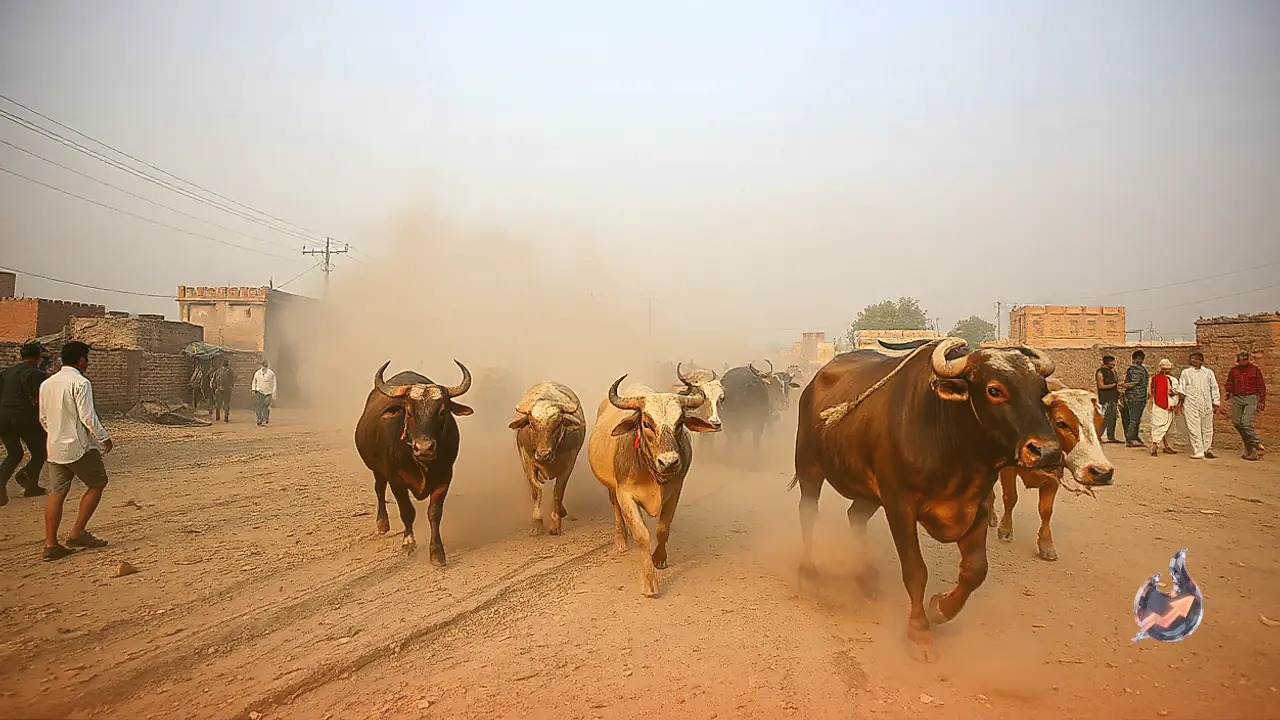






















In the pursuit of higher agricultural yields, farmers routinely begin stocking up on synthetic chemical fertilizers and treated seeds well before the sowing season begins. Among these inputs, urea and other industrially produced fertilizers dominate conventional practices, significantly inflating input expenses. However, agriculturalists can take direct control of their production costs and preserve soil integrity by formulating their own organic liquid nutrients right in their fields. A traditionally prepared liquid fertilizer known as Jeevamrut is rapidly emerging as a practical, low-cost substitute for synthetic alternatives. Compounded from readily available ingredients such as cow dung, cow urine, and buttermilk, this natural solution significantly cuts agricultural overheads while delivering superior soil nourishment.
Sirohi Center Champions Organic Farming for 15 Years
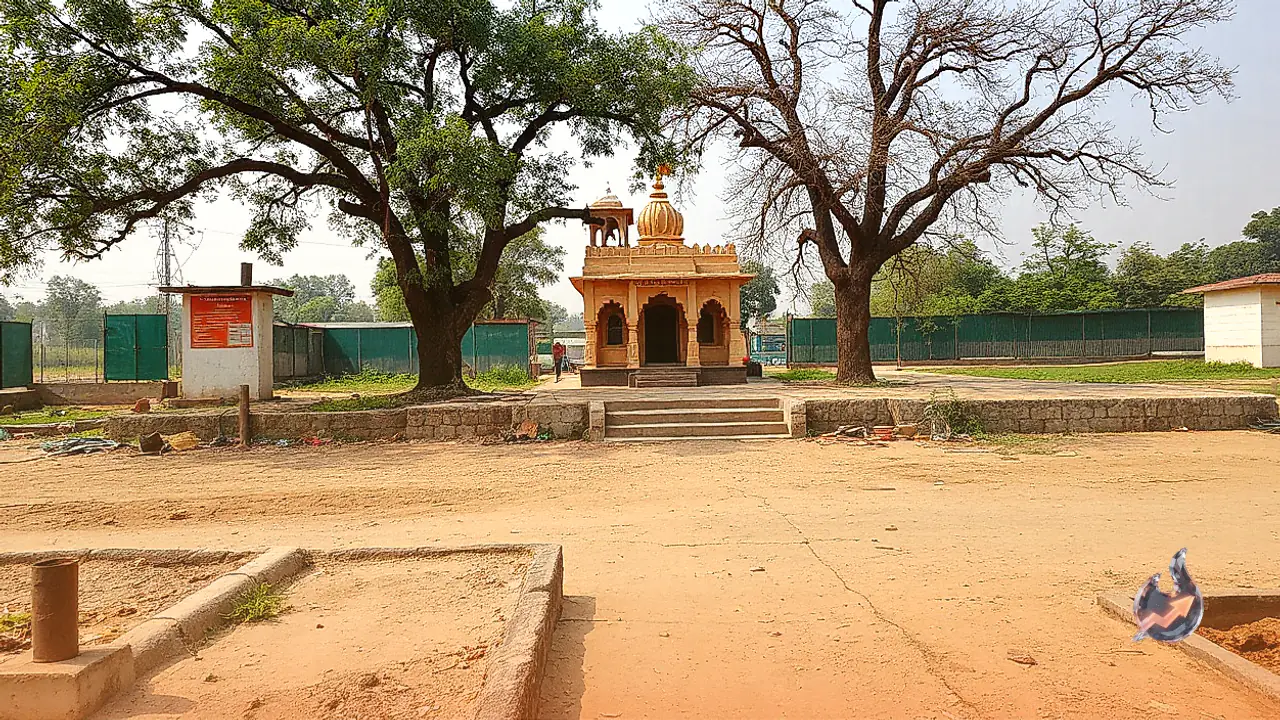
At Tapovan in the Sirohi district, the Brahma Kumaris institution has been actively promoting sustainable agricultural alternatives. For roughly a decade and a half, the center has relied on liquid Jeevamrut and solid Ghan Jeevamrut to manage its farming operations naturally. Beyond cultivating its own plots, the center conducts practical training for visiting farmers from across the country, instructing them on the exact preparation methods and application schedules. BK Lallan Bhai from Tapovan pointed out that farmers do not require expensive equipment or specialized setups to produce this fertilizer on their own land.
Preparation Steps for Liquid and Solid Formulations
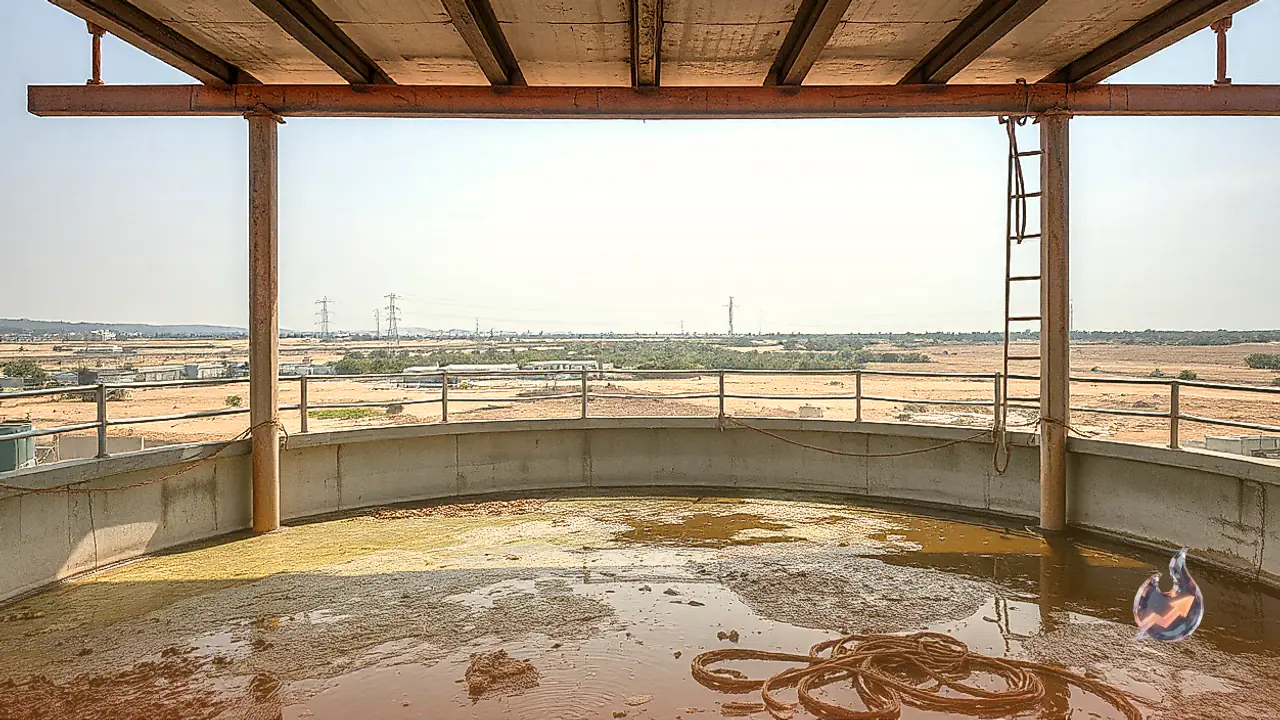
Formulating liquid Jeevamrut requires blending cow dung, cow urine, buttermilk, jaggery, neem, and mustard oil cake with measured quantities of water. Once thoroughly stirred, the mixture must rest in a shaded spot for two to three days to undergo natural fermentation. When the biological solution matures, one liter of concentrated Jeevamrut is diluted into 100 liters of water. This liquid can then be delivered to young crops through micro-irrigation drip setups or applied directly to the base of mature trees.
To convert this into solid Ghan Jeevamrut, farmers combine the mixture with additional cow dung and allow it to decompose further for another two to three days. Once this short decomposition phase completes, the dry, nutrient-rich compost is ready for direct incorporation into agricultural fields.
Micro-Irrigation Delivery and Earthworm Regeneration
At Tapovan, drip irrigation networks are utilized to supply liquid Jeevamrut directly to the root zones of smaller crops, whereas larger trees receive manual trunk applications. Incorporating this bio-fertilizer stimulates the biological ecosystem native to the soil, creating ideal conditions for beneficial microbial activity. As a direct consequence, earthworm populations thrive, aerating the ground and preserving soil moisture and texture. This biological revival steadily enhances natural soil fertility. Introducing Jeevamrut or Ghan Jeevamrut into the earth prior to sowing accelerates seedling development and visibly improves crop quality, enabling farmers to secure profitable returns while restoring soil vitality.