





















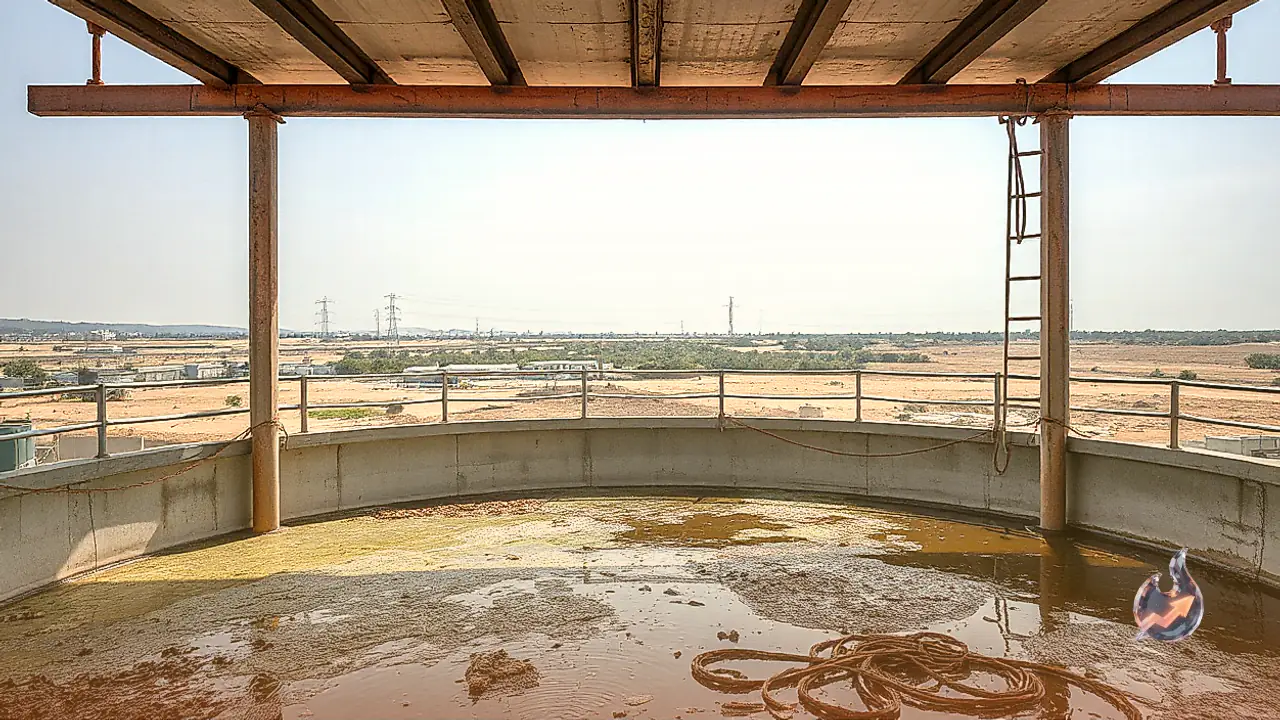

Sediment, dust, and stubborn algae inevitably settle inside domestic water storage tanks over time, degrading water quality and clogging domestic pipelines. In an attempt to scrub these containers thoroughly, individuals frequently risk their personal safety by climbing through narrow openings directly into the dark and slippery interiors. Confined spaces inside storage vessels carry significant hazards, ranging from slips to limited air circulation. Fortunately, modern cleaning methods and appropriate household tools allow property owners to restore water hygiene without ever stepping past the access lid. Adopting these non-entry cleaning practices keeps the entire maintenance procedure straightforward, sanitary, and completely risk-free.
Scrubbing Surfaces Using an Extended-Reach Brush
When an inspection reveals only light sediment accumulation or early algae growth, utilizing an extended-reach brush provides the most practical and immediate remedy. Expert Harilal Nishad stated that homeowners should completely drain the existing water reserve before initiating any scrubbing. Once the reservoir stands empty, remove the top inspection cover and introduce the extended pole brush down into the interior chamber. By manipulating the handle firmly from the outside, one can easily scour the vertical walls, curved crevices, and the bottom floor. This method eliminates the need to squeeze inside while effectively detaching loose grime. The brush used must remain perfectly clean and chemically neutral to prevent introducing foreign contaminants to the drinking water surface.
Blasting Resilient Grime with a High-Pressure Water Jet
For dense algae films and caked mud that cling tenaciously to tank walls, mechanical pressure washing delivers unmatched efficiency. A high-pressure water jet directs concentrated, forceful streams of liquid against dirty sections, instantaneously dislodging stubborn grime even from inaccessible corners. To apply this technique, drain the reservoir entirely and insert the pressure wand carefully through the top opening, guiding the nozzle systematically across the inner surface. An essential requirement during this washdown is keeping the bottom drainage port fully unrestricted so that the suspended sediment flows out continuously rather than settling back down.
Clearing Sludge Residue with a Submersible Pump
Mechanical scrubbing and jetting inevitably leave behind a concentrated pool of muddy slurry and dislodged solids resting at the bottom. Removing this heavy sludge manually with buckets is tedious and incomplete, making a small submersible pump or suitable utility water pump the ideal tool for the task. Lower the pump into the tank base to rapidly evacuate the murky liquid residue. Following this evacuation, rinse the container thoroughly with fresh water to ensure no residual grime lingers at the bottom. Because this operation involves handling electrical machinery around standing water, following strict electrical safety precautions and inspecting all cable insulation beforehand is critical.
Sanitizing with Food-Grade Cleaners and Disinfectants
Rinsing dirt away with clean water constitutes only the physical half of the maintenance cycle; microbial disinfection remains essential for protecting family health. For potable drinking water reservoirs, sanitization should be carried out using safe certified cleaners or an appropriate measure of food-grade, unscented sodium hypochlorite bleach. The chemical proportion must adhere strictly to the product instructions or official health department guidelines. Once the contact period concludes, flush the entire tank thoroughly with multiple cycles of clean water to wash out any disinfectant residues before refilling it with everyday tap water. Never mix bleach with acid, toilet cleaners, or ammonia, as combining these household chemicals triggers hazardous reactions.