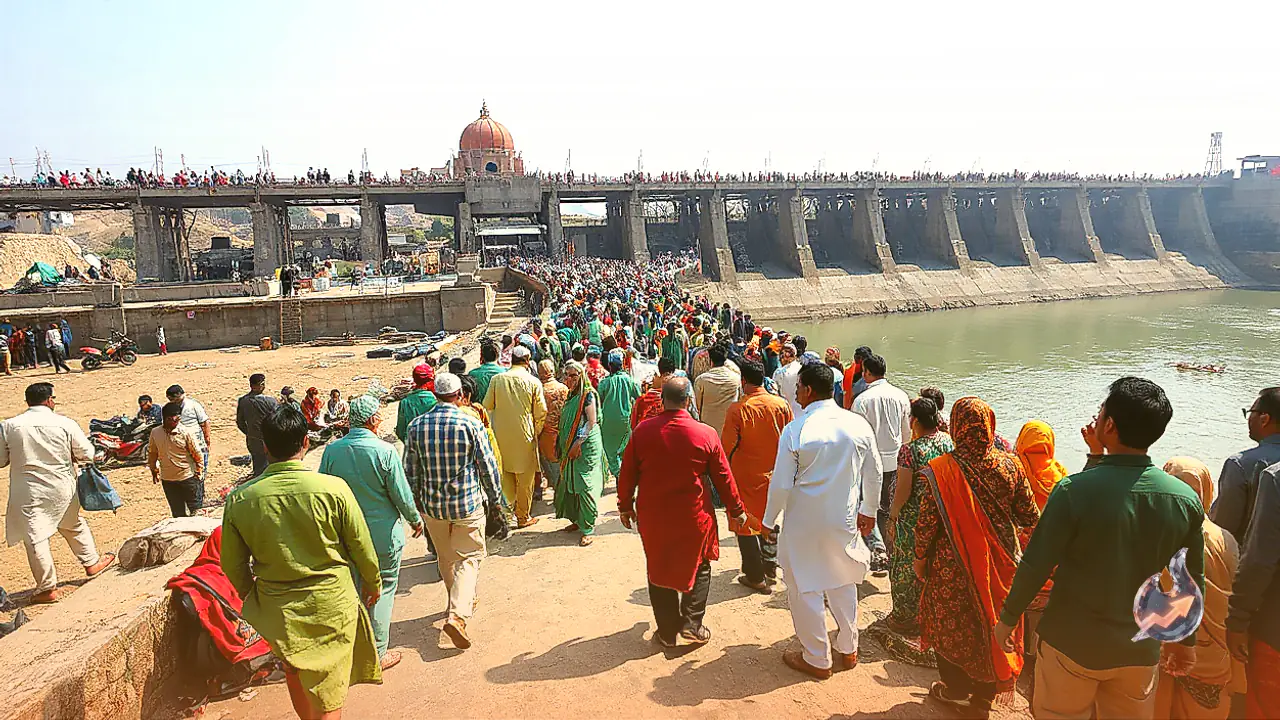
















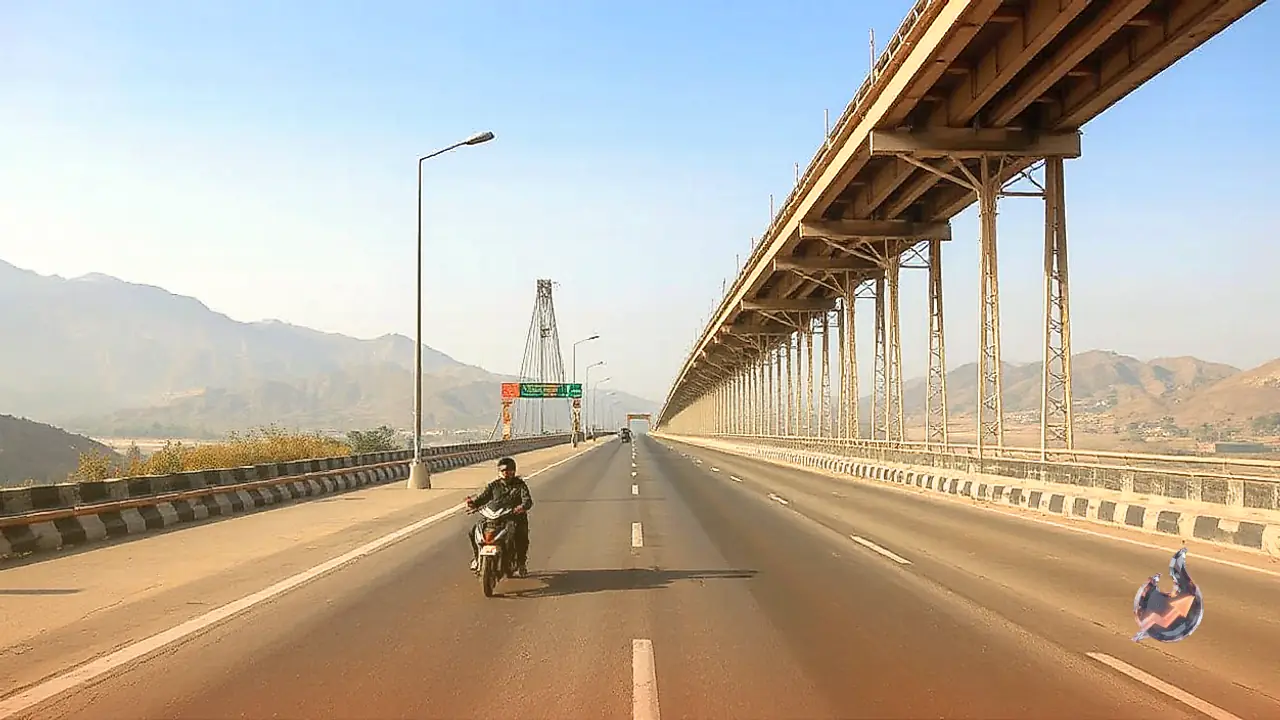

A critical transport link has been established along Uttarakhand's 275-kilometre open border with Nepal. While pedestrians have long relied on dozens of suspension bridges scattered across this frontier, cross-border vehicular traffic between the two nations was previously restricted entirely to the Banbasa crossing. The completion of the newly constructed international motor bridge at Chharchhum marks only the second operational route capable of handling vehicular transport across this international line.
Four-Year Construction Phase Concludes with ₹33 Crore Outlay
Construction work on the Chharchhum motor bridge originally commenced in 2022 under an initial deadline that aimed to deliver the completed project within a single year. However, execution faced prolonged delays, stretching the building timeline across four full years before the executing agency finished the structure. Built at an investment of ₹33 crore, the bridge spans 110 metres in length and features a double-lane roadway. The structure had already been linked to the Indian road network, and recent works have now completed the physical connection on the Nepalese side as well.
Absence of Customs, SSB, and IB Facilities Delays Operations
Despite the physical completion of the bridge, the commencement of regular vehicular traffic faces administrative hurdles on the Indian side. Essential security and border-clearance infrastructure, specifically designated checkposts for Customs, the Intelligence Bureau (IB), and the Sashastra Seema Bal (SSB), are yet to be erected. The local administration is currently engaged in identifying and acquiring suitable land parcels to house these border facilities. Official vehicular movement across the span will remain on hold until these critical security stations are established and operational.
Anticipated Boost to Bilateral Commerce and Local Ties
The operationalisation of the bridge is expected to yield substantial economic dividends for the frontier region. Local legislator Harish Dhami noted that the international bridge will inject momentum into both commercial trade and tourism between the two neighbouring countries. Border communities on both sides are positioned to benefit directly from faster transport, which will further reinforce the long-standing cross-border familial and cultural kinship between India and Nepal.
Concerns Raised Over Cross-Border Casino Operations
Alongside the infrastructural progress, local representation has flagged significant social concerns regarding potential cross-border exploitation. Legislator Harish Dhami has urged the Nepalese government to impose a strict ban on casino operations near Chharchhum, drawing parallels to problems observed near Banbasa. Near the Banbasa border, casinos in Nepalese territory permit only foreign nationals to gamble, leading to substantial financial losses among numerous visiting Indian citizens. Without proactive curbs on such gambling establishments at the new crossing, the economic benefits of the bridge could be undermined by local distress.