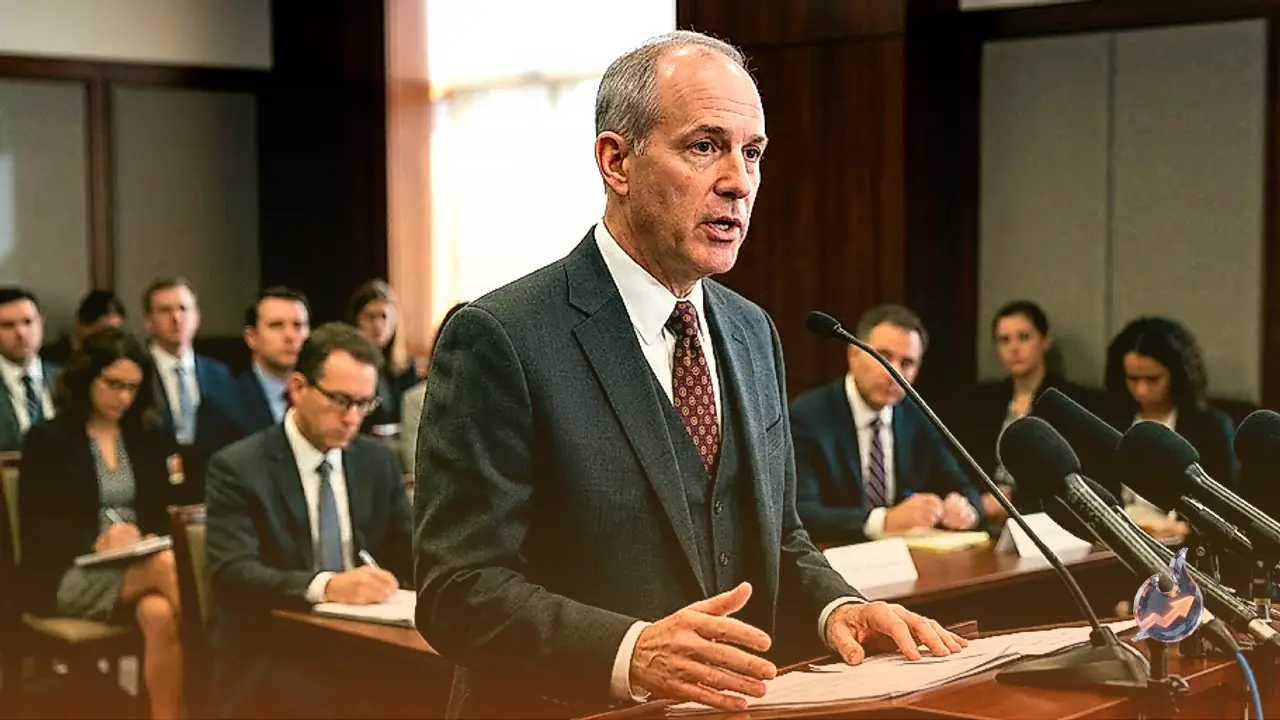
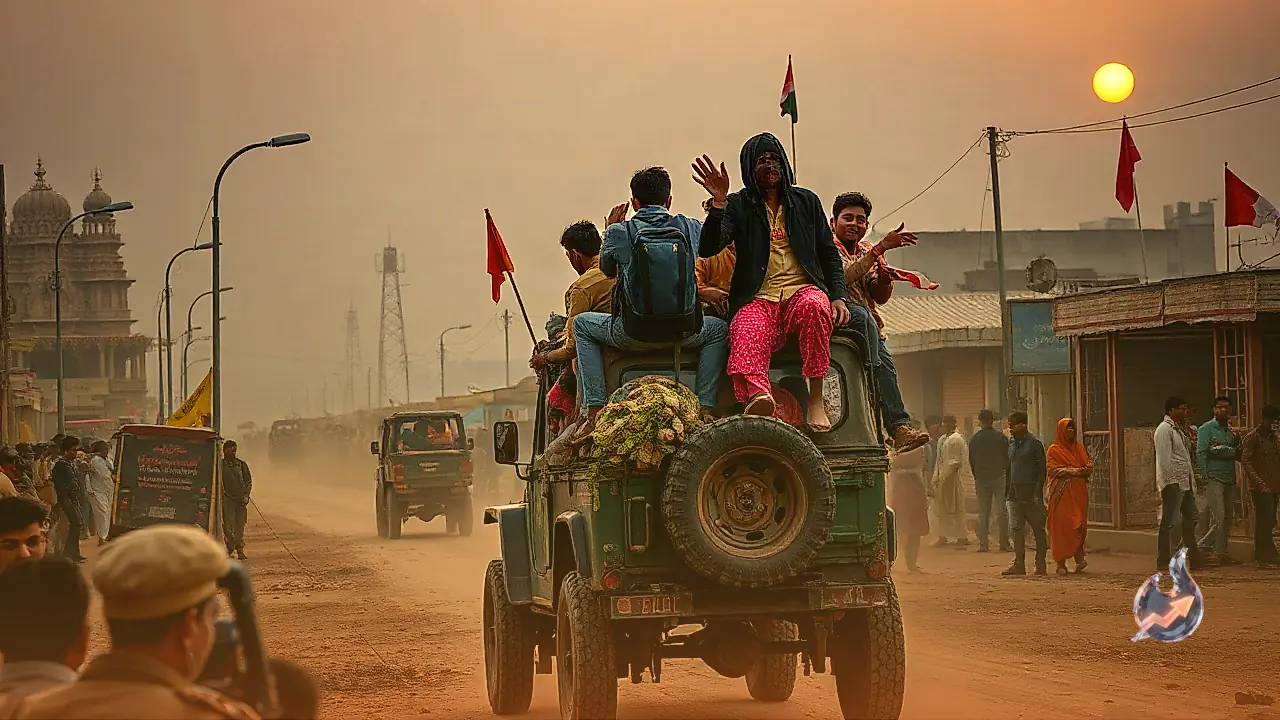
























A horrifying confrontation during an exorcism ritual at Sambhupur village in the Azamgarh district of Uttar Pradesh culminated in the deaths of five people on Tuesday evening. A religious ceremony aimed at purging suspected spirits had been underway inside the residence of a local named Arvind for four continuous days, drawing his escalating resentment. When his demand to halt the proceedings was ignored by family members and attending clergy, Arvind opened fire inside the home. The gunfire claimed the lives of two officiating priests, Mahendra Pathak and Akhilesh Mishra, before Arvind targeted his wife, blaming her for his deceased brother's death, and subsequently shot his son. As law enforcement officers arrived at the scene and engaged the shooter, Arvind was also killed in retaliatory action.
Azamgarh Killings and Underlying Familial Suspicions
Details surrounding the incident suggest deep-rooted anxiety and suspicion within the household. Arvind's mother stated that priests were conducting continuous recitations of the Mahamrityunjaya mantra. In contrast, local residents revealed that Arvind's brother had been murdered approximately 8 years earlier, setting off prolonged unrest and distress across the household. Certain family members believed that the spirit of the murdered brother was haunting them and causing persistent difficulties. To appease the unsettled soul, preparations associated with Narayan Bali rituals were being carried out. While officials continue their formal investigation to establish the exact sequence of events, an attempt to bring spiritual peace ended with five fatalities.
The 2018 Burari Mass Deaths Spurred by Occult Delusions
The tragedy in Azamgarh recalls earlier high-profile instances where occult practices and superstition led to fatal outcomes. In 2018, the nation was stunned by the discovery of 11 dead members of the Bhatia family at their home in Sant Nagar, Burari, Delhi. Ten bodies were found hanging from an iron ceiling grill in a central hall, their hands bound behind their backs and eyes blindfolded. In an adjacent room, 77-year-old Narayani Devi was found dead on the floor.
Police investigations uncovered handwritten diaries detailing ritualistic instructions aimed at achieving spiritual salvation through extreme practices. The findings revealed that the youngest son, Lalit, operated under the conviction that the spirit of his deceased father, Gopaldas, was communicating through him during dreams. Relying on those perceived directives, the family carried out the fatal ceremony under the mistaken belief that supernatural forces would rescue them at the final moment.
Kashi Ritual Suicides Driven by Hopes of Spiritual Release
In Kashi, also known as Varanasi, similar instances involving ritual suicides connected to beliefs in salvation have been recorded. During 2023, four members of a family arriving from Andhra Pradesh ended their lives inside room number S6 at Kashi Kailash Bhavan. The deceased were identified as 50-year-old Konda Babu, his wife Lavanya, and their two sons, Rajesh and Jairaj.
Investigating authorities discovered that the materials used in the suicides were bought from a nearby local market. Prior to their deaths, the family held an elaborate worship session inside the hotel room. Investigators recovered vermilion, holy roli in polythene packets, and sandalwood paste from the scene. All four individuals had ceremonial tilaks marked on their foreheads and wore freshly tied sacred kalawa threads on their wrists. Evidence showed the parents and younger son died first, after which the elder son, Rajesh, took his own life. While a suicide note revealed significant financial debt, the ritualistic setup pointed to an intersection of despair and spiritual belief. Earlier in 2012, another mother and daughter from Andhra Pradesh also died by suicide in Kashi seeking liberation from the mortal realm.
Scriptural Perspectives on Suicide, Afterlife, and Untimely Death
Classical scriptural texts outline spiritual liberation as freedom from the cyclical nature of rebirth, emphasizing surrender and devotion to God. Human incarnation is viewed as the chosen vehicle to achieve this path through righteous living and natural completion of lifespan. Canonical doctrines strictly condemn suicide, establishing that intentionally terminating one's life denies the soul spiritual elevation. True liberation is described as emerging only when mortal existence concludes naturally after an allotted lifespan dedicated to spiritual practice.
According to the Garuda Purana, souls meeting an untimely or unnatural demise fail to transition smoothly into higher spiritual planes. Because worldly cravings, unfinished tasks, and sudden bodily detachment leave them incomplete before their destined lifespan concludes, such souls are said to linger in subtle, restless states classified as ghosts, spirits, and restless entities.
Vedic Observances Contrasted with Exploitative Occult Practices
Addressing the spiritual resolution for untimely deaths, astrologer Chandrakant Saraswat explains that ancient Vedic traditions provide clear ceremonial remedies. Standard post-funeral rituals such as Shradh and Pind Daan, as well as Tarpan offerings during the ancestral period of Pitru Paksha, are traditionally conducted to grant peace to departed souls. For cases involving unresolved transitions, specialized scriptural procedures like Narayan Bali and Tripindi Shradh are prescribed.
Astrologer Chandrakant Saraswat notes that genuine Vedic rituals demand disciplined conduct, time, and spiritual devotion. However, vulnerability arises when individuals seek immediate resolutions to personal crises, falling into the traps laid by self-styled occultists. Practitioners claiming supernatural interventions often exploit panic and grief to extract money from desperate families willing to bypass ethical paths for fast outcomes. Saraswat emphasizes that while Vedic discipline pleases divine energies through devotion and righteous prayer, coercive occult practices attempt to force metaphysical powers against their will. Originally conceived for universal welfare, distorted modern practices have turned into predatory schemes, driving families toward tragedy.