
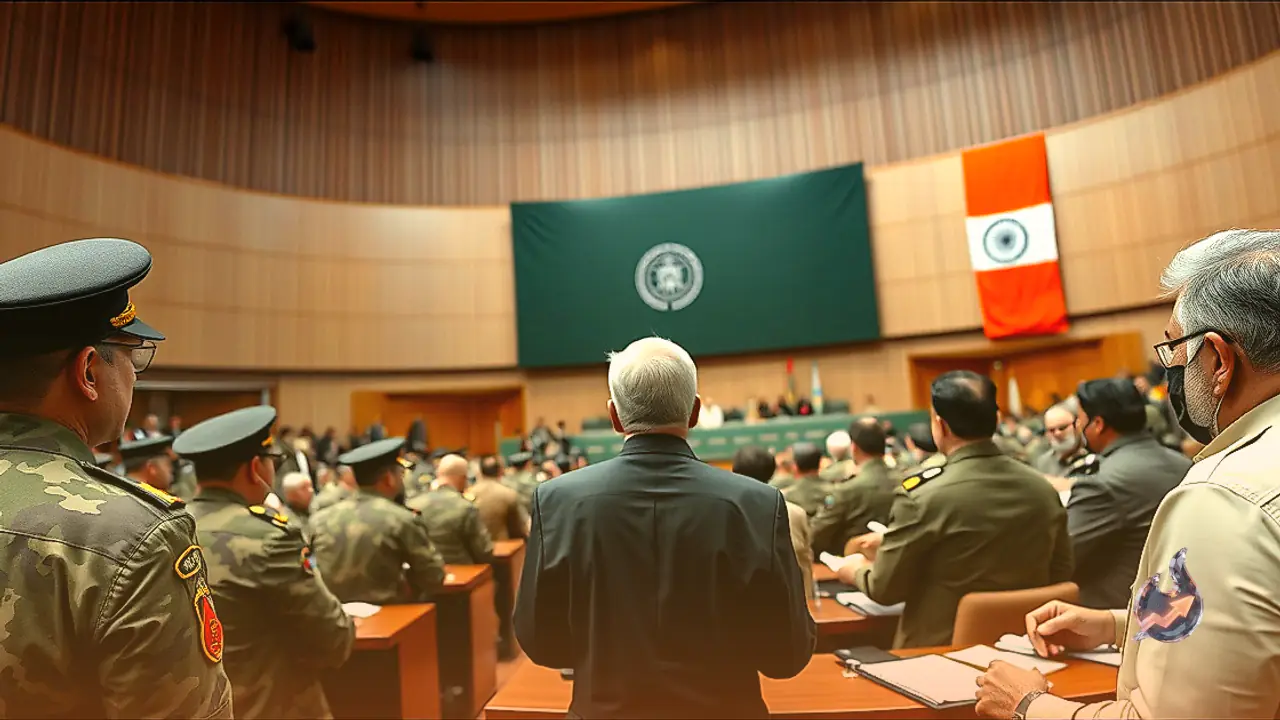














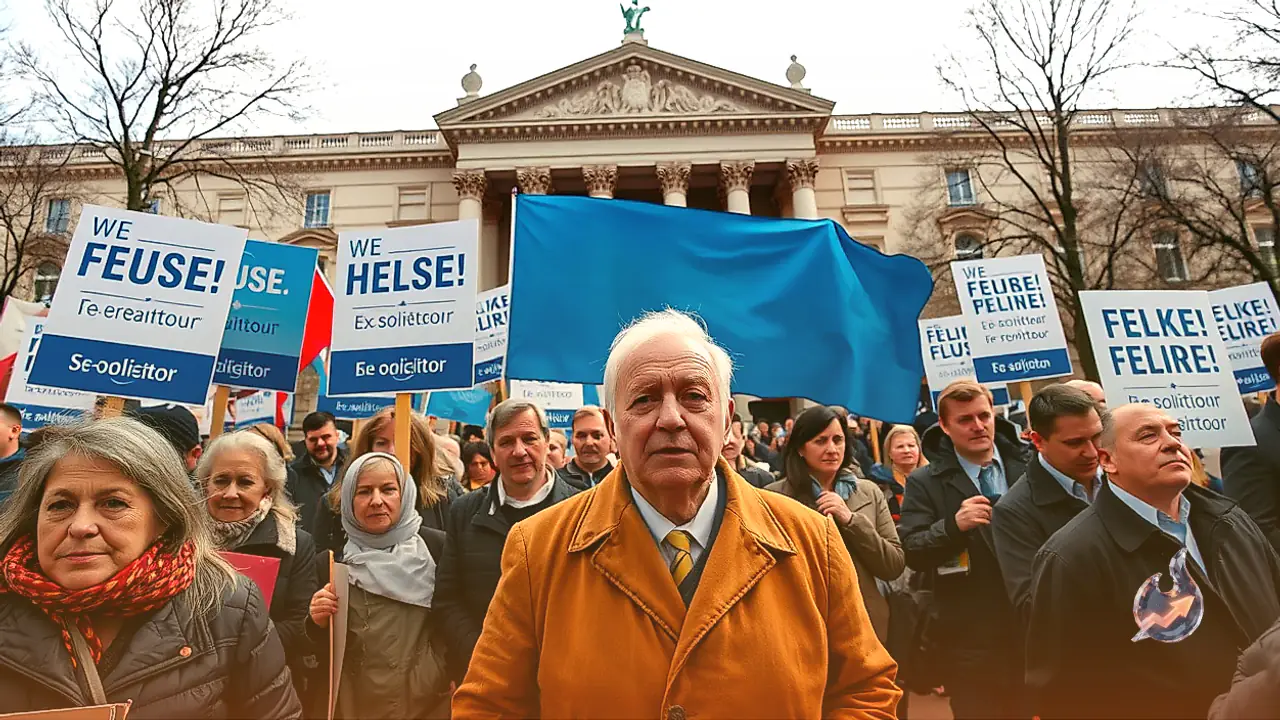

A sharp debate over institutional sanctity and the boundaries of street agitation has surfaced following the opposition alliance's decision to organise a march to the highest court of the land. Taking serious exception to the proposed demonstration, former Solicitor General Harish Salve expressed deep concern regarding the growing inclination of political groupings to draw constitutional bodies into partisan crossfire. He stated that using the legal apparatus as an instrument to settle political disagreements represents an ill-conceived path that risks corroding foundational democratic conventions.
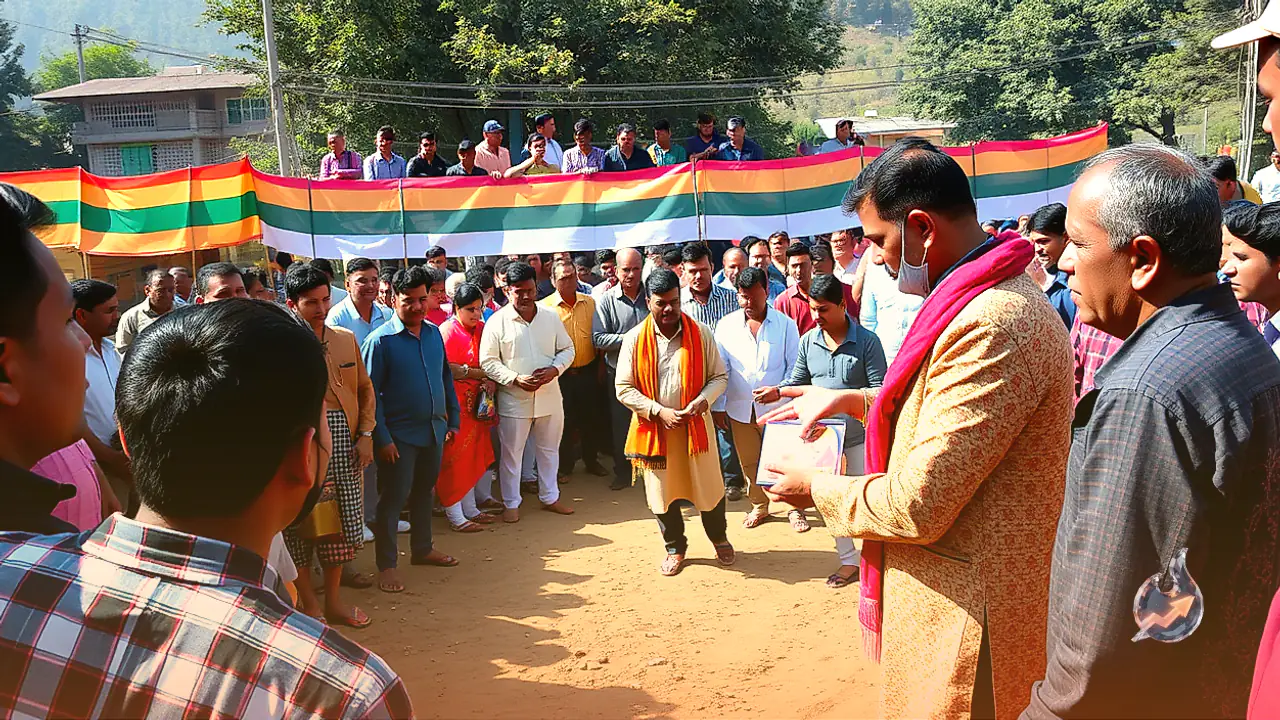
The announcement of the march scheduled for 12 October caused immediate disruptions to civic movement across the national capital. As a preventive precaution against crowd congestion, the Delhi Metro Rail Corporation shut down entry and exit points at six critical transit stations, including the busy Rajiv Chowk interchange. The escalation followed after Chief Justice of India Justice Surya Kant turned down an application from opposition representatives seeking a personal audience. Despite the refusal from the CJI, leaders representing the bloc chose to stand firm on their call to walk directly towards the court building.
Warning Against Dragging Courts Into Electoral Clashes
Interacting with IANS, the distinguished jurist argued that democratic institutions cannot be pressured into functioning according to the unilateral wishes of political factions. Salve observed that circumventing formal statutory routes reflects an alarming lack of patience with the rule of law. The current confrontation intensified after Congress leader Rahul Gandhi announced a public march targeting alleged ballot manipulation, calling for the resignation of Chief Election Commissioner Gyanesh Kumar and urging civil society groups along with everyday citizens to turn out in large numbers.
In response, Salve warned that political outfits must not attempt to transform judicial corridors into ideological arenas. He underscored that constitutional courts are designed to evaluate evidence rather than arbitrate populist demands voiced outside their gates. Attempting to force outcomes through street mobilisation, he noted, undermines the essential trust required for judicial mechanisms to operate impartially.
Protocol Surrounding Judicial Audiences and Grievance Redressal
Addressing the aborted meeting between the opposition delegation and the Chief Justice of India, Salve highlighted the procedural duties governing the judiciary. He noted that the CJI cannot function as a recipient of political memoranda, as the legal pathway strictly requires formal petitions supported by verified records. If any entity harbours concerns regarding an administrative or constitutional authority, it must state those grievances through a properly instituted lawsuit rather than an informal visit.
The veteran advocate highlighted that the apex court routinely arbitrates sensitive questions concerning human dignity, public dissent, and free speech under Article 19. While challenging an adverse judgment remains an inherent entitlement in an open democracy, casting doubt over the whole legal system when a decision fails to suit one's political agenda is deeply problematic. He maintained that intellectual disagreement with a verdict must not be conflated with undermining faith in the judicial institution itself.
Statutory Limits Regarding Actions Against Election Authorities
Responding to demands aimed at punishing Chief Election Commissioner Gyanesh Kumar, Salve cautioned against premature expectations of executive or judicial retribution. He pointed out that the Supreme Court cannot summarily dismiss a Chief Election Commissioner on its own accord, given that the Constitution prescribes an elaborate legislative procedure for any removal proceedings.
Salve explained that the highest bench has already sought an explanation from the commission, meaning the regulatory authority will present its formal response and case records for judicial scrutiny. Judges will examine those facts thoroughly before delivering a measured determination. Salve also expressed concern regarding the severe civic disruption inflicted on ordinary commuters, small business owners, and daily wage workers across New Delhi, questioning whether daily urban blockades are an acceptable method of political conduct.
Dissent Must Operate Within Established Legal Boundaries
Elaborating on the scope of democratic protest, Salve observed that the freedom to register disagreement does not grant an exemption from municipal statutes and police directions. Whenever law enforcement denies operational permission for a public gathering, organisers are obligated to contest that regulatory decision through administrative appeals or legal petitions rather than violating the law.
He also expressed bewilderment regarding the strategic decisions emerging from the Congress leadership, noting that an organisation staffed with prominent, experienced legal minds should understand the sanctity of courtroom protocols. Salve remarked that party leaders must make clear whether such aggressive street measures have been cleared by their senior legal advisers or if they represent an emotional departure from standard constitutional advocacy.
Apprehensions Over External Influence and Protest Funding
In his closing remarks, Harish Salve raised questions regarding the underlying sponsorship of prolonged domestic protests, pointing to potential external influence. He drew parallels with unexpected political transformations witnessed across neighbouring nations like Nepal, Sri Lanka, and Bangladesh, cautioning that foreign interests might be seeking to fuel internal instability.
Emphasising that he does not view such street agitation as spontaneous mass movements of the public, Salve urged the central government to investigate allegations regarding foreign funding and illicit coordination. Protecting sovereign democratic structures, he argued, requires a thorough examination into whether overseas financial networks are being deployed to agitate domestic institutions.