


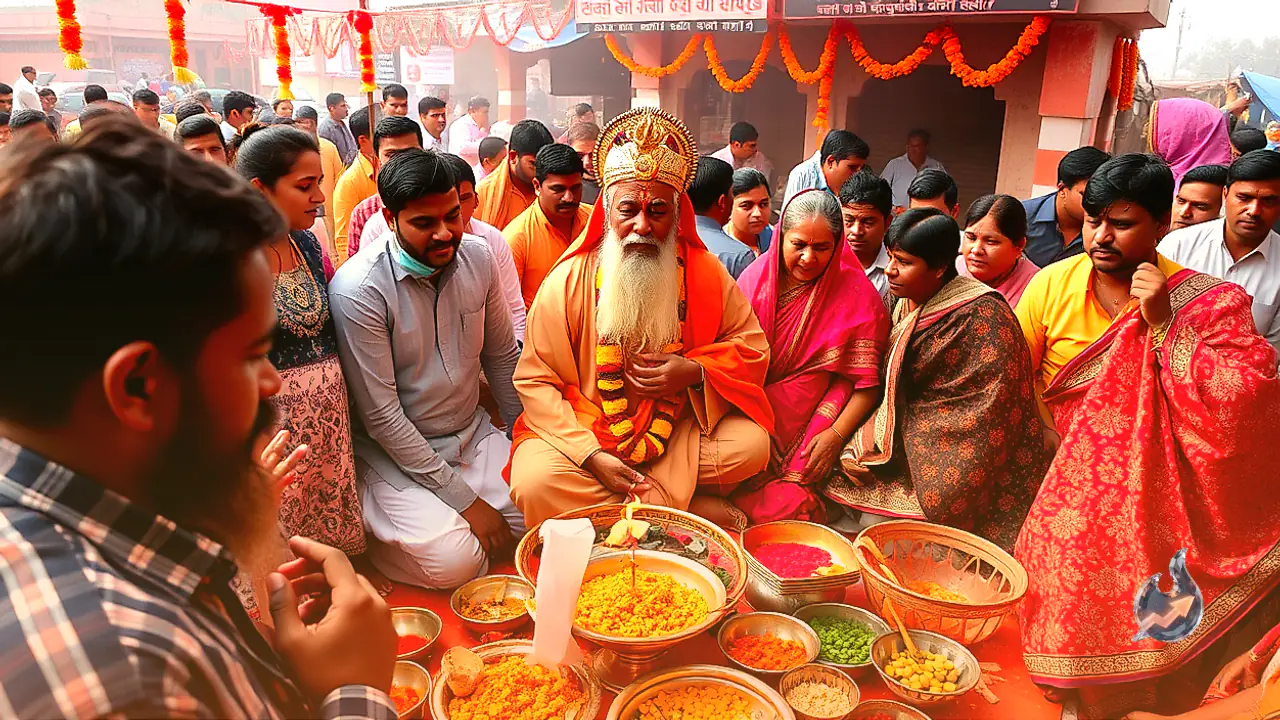














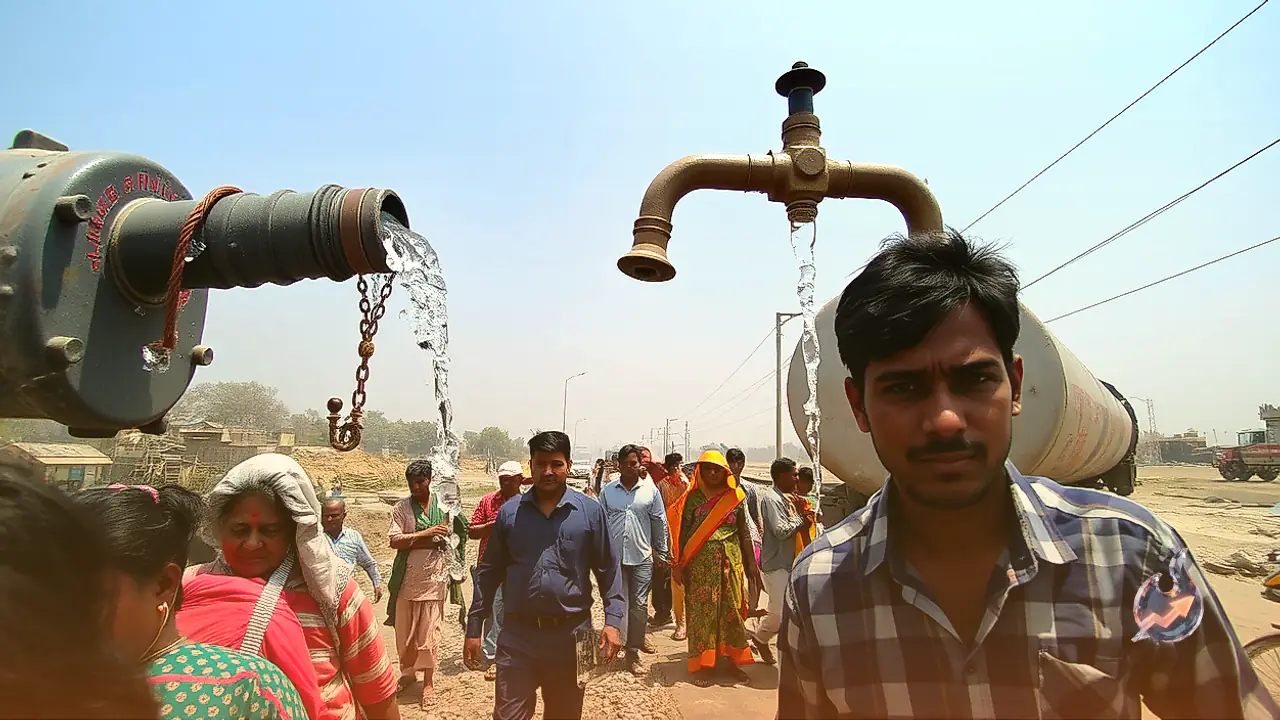

In the Patha region of Chitrakoot within the Bundelkhand belt, drinking water was once not merely a basic household necessity but the single greatest trial of human existence. With the onset of scorching summer months, an arduous struggle for every drop of water would grip local settlements. Women spent entire days and nights keeping vigil beside failing handpumps and drying open wells, while many others were forced to trek across multiple kilometres under relentless heat just to secure domestic water. In those desperate years, water was valued as something far more precious than silver or gold. The scarcity reached such extreme proportions that authorities had to transport water in rail tankers to the Manikpur railway station, from where local road tankers distributed the cargo into parched village settlements.
Water Woes Stalled Marriages and Fractured Families
Localities such as Gopipur, Karonha, Jamunihai, and Sarhat were long notorious across the territory as epicentres of severe dehydration and distress. During the peak summer window, women and young children devoted most of their waking hours to the single task of gathering water. Crossing arduous distances and waiting for hours on end in serpentine lines became an unavoidable reality of daily life. The sheer severity of this daily trauma even inspired a regional folk song sung by local women: “Bhaura tera paani gajab kar jaaye, matki na foote chahe khasam mar jaaye.” The verse expressed the grim sentiment that saving the pot of water took precedence over the life of one's own spouse.
The plight of Gopipur village illustrates the acute social damage inflicted by the shortage. Local residents recount that the dearth of water became so overwhelming that families from outside refused to marry off their daughters to local youths. Outsiders dreaded the prospect of their daughters struggling endlessly for domestic water post-marriage. There were even incidents where couples tied the knot, only for the relationships to collapse under the unbearable strain of navigating daily water shortages.
Piped Infrastructure and Domestic Taps Replace Drought
Chitrakoot resident Satya Prakash stated that around 15 years ago, the water crisis throughout Patha had escalated to an alarming level. In villages like Gopipur, younger generations found it nearly impossible to arrange marriages purely because prospective in-laws feared the crippling water scarcity. Residents routinely journeyed leagues away from home, and fetching water consumed entire days without pause. This unbearable condition made it necessary to bring rail wagons carrying water into Manikpur, followed by truck shuttles into interior hamlets.
With time, the ground reality across Patha has undergone a dramatic transformation. Under the Har Ghar Jal scheme, underground pipeline networks have been constructed through village lanes, delivering piped tap connections directly inside residential compounds. Rural hamlets where people once walked grueling distances with containers now receive fresh water flowing through faucets fitted right in front of their homes.
Tap Water Reaches 56 Out of 69 Villages as Road Restorations Advance
Namami Gange ADM Swapnil Kumar confirmed that official efforts have focused systematically on addressing Patha's historical water crisis under the Har Ghar Jal framework. A total of 69 villages in the Patha belt were designated under the scope of this project. Work has now been completed in 56 of those villages, where households receive water. In 4 additional villages, some residual engineering works remain underway, with teams working to commence water distribution very soon.
To install pipelines under the Jal Jeevan Mission, approximately 92 kilometres of roadway had been excavated across the region. Out of this total, 82 kilometres of road surfaces have already been reconstructed. The primary objective remains the complete eradication of acute water deficits from Patha while assuring every village resident access to clean, uncontaminated potable water directly at their doorstep. From an era when water arrived by rail, Patha has now transitioned to domestic tap flow, allowing daily life across the community to stabilize on solid ground.