






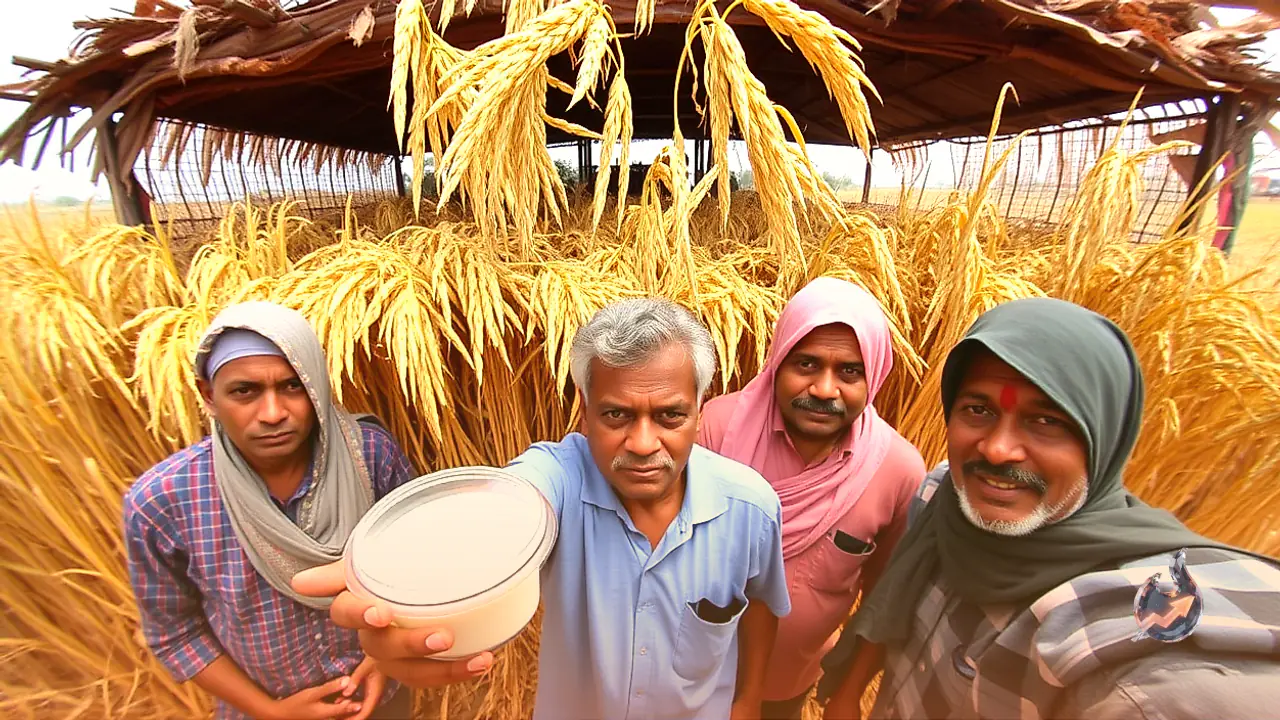
















Across the rural stretches of the Bharatpur district in Rajasthan, the arrival of the freshly harvested pearl millet crop from the agricultural fields has filled village kitchens with the aroma of age-old culinary preparations. Even amid the rapid spread of contemporary lifestyles and modern dietary habits, the rural heartland of Bharatpur continues to hold deep reverence for its traditional culinary heritage. The moment newly harvested millet reaches households, families eagerly set out to prepare their time-honored specialties. Among the various rustic dishes prepared using pearl millet, a distinct preparation made with buttermilk and crushed millet grain, locally known as rabdi, stands out as an enduring favorite. It delivers not only a comforting rustic taste but also an array of significant nutritional advantages, making it a household staple that is savored in nearly every village home across the district.
Nutritional Value and Digestive Advantages for Rural Households
In rural communities, pearl millet rabdi is celebrated both for its distinctive taste and for being exceptionally nutritious and easy on the stomach. For this very reason, residents across these village settlements routinely start their mornings with this traditional breakfast. For farmers and agricultural laborers engaged in strenuous physical exertion, the meal provides a vital reservoir of sustained stamina, granting them the strength required to carry out heavy fieldwork throughout the day. Pearl millet is naturally rich in dietary fiber, calcium, and essential minerals, while fresh buttermilk aids in stabilizing and supporting the digestive system. The combination of these two wholesome ingredients transforms the preparation into a potent natural superfood. Regular consumption is widely regarded by locals as an effective way to keep gastric troubles at bay while maintaining energetic vitality from morning until evening.
The Traditional Process of Making Buttermilk and Millet Rabdi
The preparation method for this buttermilk-based millet rabdi is straightforward, completely natural, and rooted in traditional kitchen techniques. No artificial seasonings, commercial additives, or heavy spices are introduced into the process. The first step involves thoroughly cleaning the fresh pearl millet and grinding it coarsely to achieve a broken-grain texture rather than a fine flour. Once the coarse millet grit is ready, fresh buttermilk is poured into a spacious pot or a traditional earthen cooking vessel, after which the prepared millet is stirred into the liquid. After combining the buttermilk and crushed grain into a consistent mixture, the vessel is placed over a gentle fire to simmer slowly. To ensure the texture develops evenly and without burning, the cook stirs the mixture continuously or at brief intervals with a large ladle, preventing the cracked grains from settling or clinging to the bottom of the vessel while they soften in the simmering buttermilk.
Final Seasoning and Serving Traditions in Bharatpur Villages
As the mixture cooks steadily over mild heat, the coarse millet gradually absorbs the buttermilk, thickening into a rich porridge-like consistency. Once the rabdi reaches complete tenderness and consistency, it is seasoned simply with salt according to personal preference, along with a modest pinch of ground black pepper. After the cooking process is complete, the dish can be enjoyed while pleasantly warm or allowed to cool completely depending on individual preference. Local villagers note that the natural flavor of the dish is exceptionally pronounced when cooked with the newly harvested crop rather than stored grain. To this day, across the countryside of Bharatpur, this time-tested recipe remains an indispensable and treasured component of daily dietary culture.