














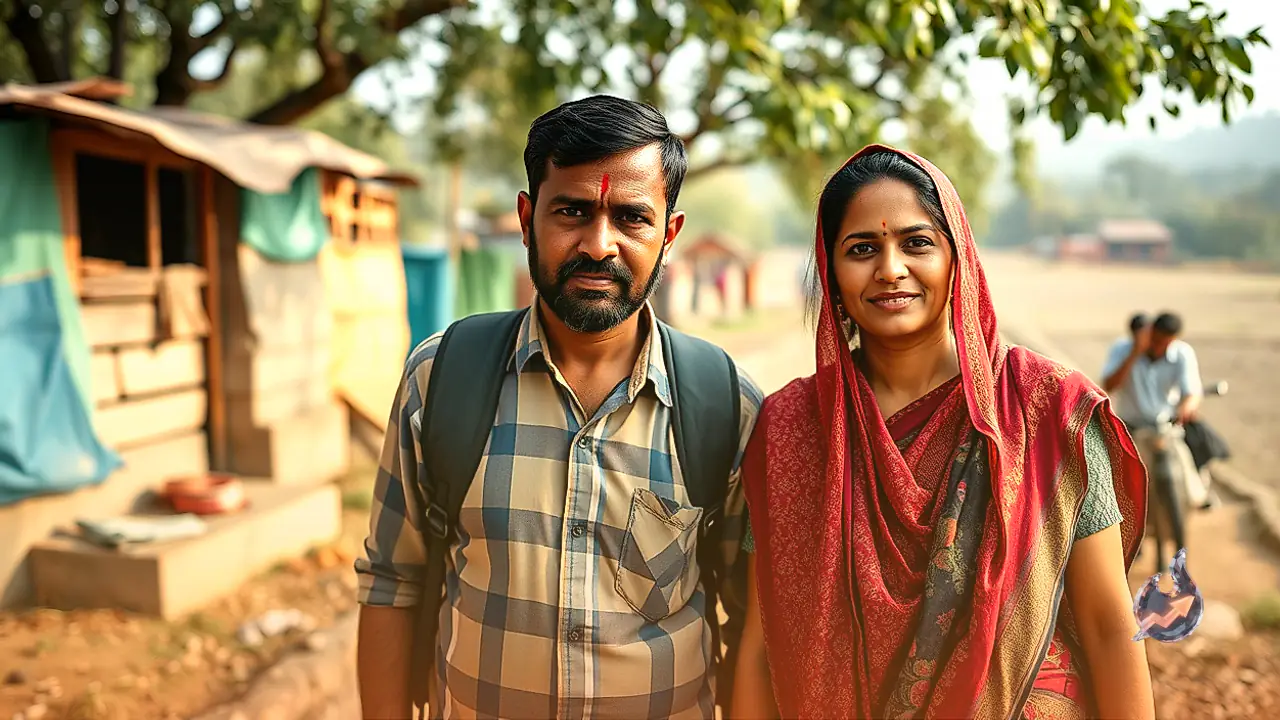

The pull of one's ancestral soil often transcends generations and continental boundaries. In an emotionally stirring episode in Uttar Pradesh's Ballia district, a couple travelling all the way from Canada arrived at Belauna, a hamlet situated within Khadsara gram panchayat under the Pandah development block, purely to locate the ground where their ancestors once lived. More than a century and a half ago, around the year 1871, the family's forebears had left this rural hinterland for Calcutta, ultimately setting sail across oceans to make a permanent life in Canada. Despite the passage of several generations, the lingering urge to reconnect with their historical origins finally brought the pair back to their ancestral village.
An Old Slip Bearing a British Officer's Signature
The journey was sparked not by digital archives, but by a physical piece of paper preserved over decades. Gram panchayat secretary Mithilesh Pandey along with senior village resident Abhay Narayan Singh recounted that the visitors, identified as Asghar Ali and his wife Bernie, had stumbled upon an ancestral receipt outlining their lineage. Back when the document was drafted, the territory fell within the jurisdiction of Ghazipur district, and the paper carried the official signature of an English colonial officer. Moved by this surviving link to their heritage, the couple resolved to visit India with no interest in asserting claims over land, property, or family assets, wishing only to see the physical ground their forebears once walked.
Tears at the Panchayat Bhawan and Words of Welcome
To facilitate communication with the villagers, an interpreter from Lucknow accompanied the couple. Yet, emotional connection quickly bypassed linguistic barriers as local residents greeted the guests with open arms. When hands were clasped inside the panchayat bhawan, the sheer gravity of standing on ancestral soil brought tears to the eyes of the visitors. During introductory exchanges, Bernie warmly introduced herself and her husband Asghar, explaining that she is Christian while he is Muslim, united through a marriage founded on mutual affection. Local residents made every effort to communicate in welcoming English words, ensuring the guests felt completely at home among people who considered them their own.
Glimpses of Heritage, Orchard Conversations, and Samosas
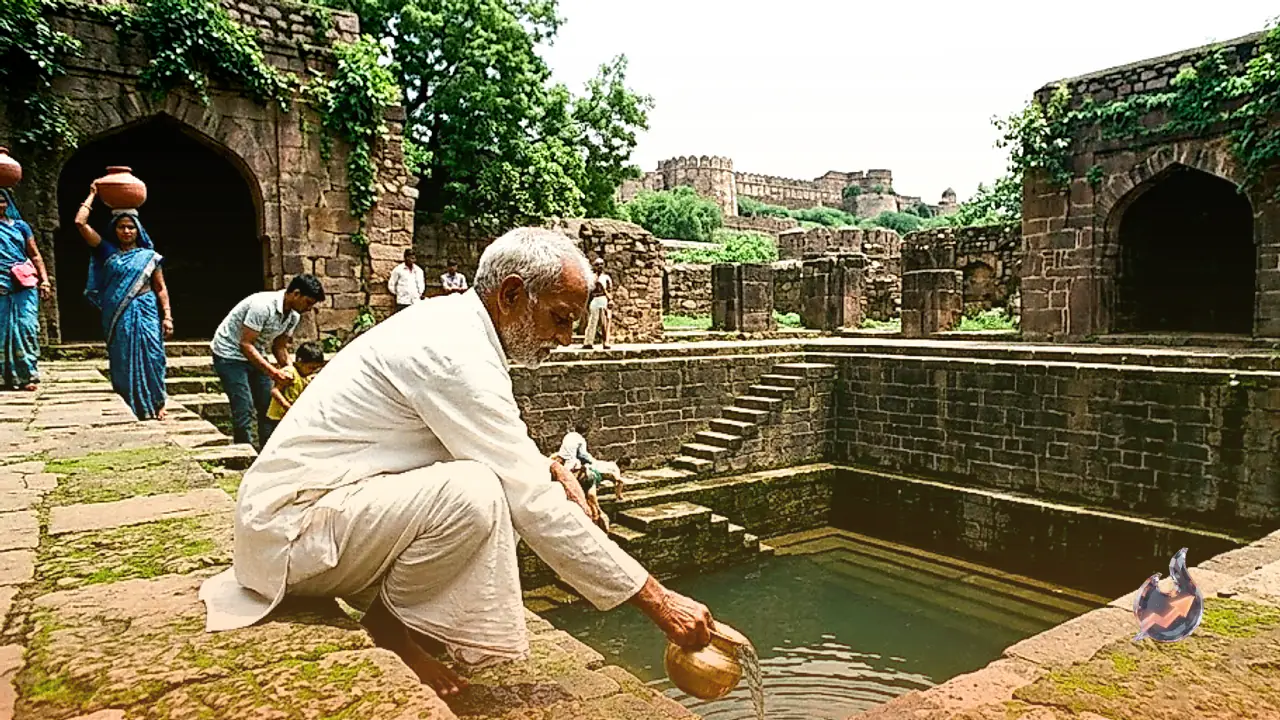
Guided by an English-literate local Muslim youth and neighbourhood elders, the couple walked through the exact hamlet where their ancestors once resided. Among the relics shown to them was an ancient metal cooking vessel, traditionally known as a tasla, once utilized by their forebears for preparing cooked rice. Experiencing these tangible traces of rural household life left the Canadian visitors visibly astonished and touched.
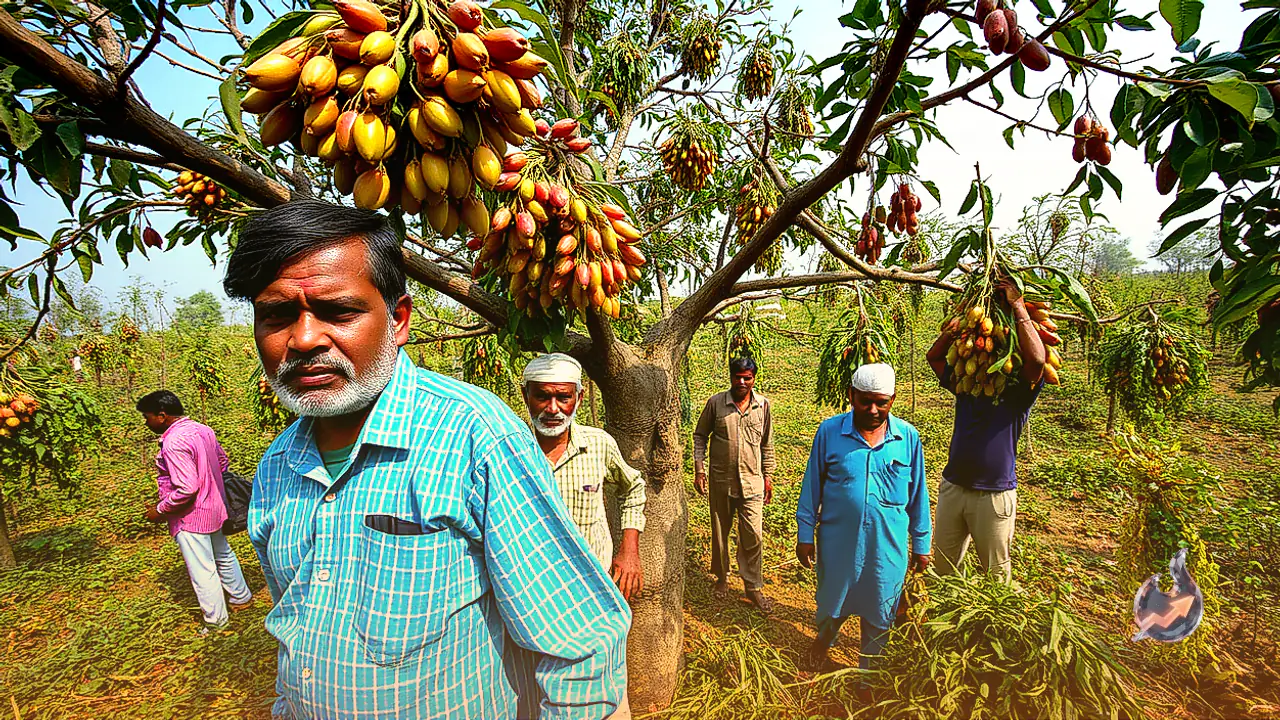
Shortly after, a friendly gathering formed on a green lawn within a village orchard, where eight to ten locals from the Chauhan and Prajapati communities joined the guests. The group sat down together over hot tea and local refreshments. Fresh samosas paired with chutney were brought from a nearby roadside stall. When a senior village resident graciously stepped forward to settle the bill for the food, the foreign visitors affectionately insisted on refusing, demonstrating how comfortably mutual respect and familial warmth had replaced formal etiquette.
A Brief Visit Ending in Deep Personal Fulfilment
Though the stay lasted merely an hour and a half to two hours, it offered profound closure to a quest that spanned several decades. Discussions with local elders confirmed that the family had indeed belonged to this tract before handing over their homesteads to others and venturing overseas. While tracing the specific familial lineage branch proved difficult after a gap of more than 150 years, the visitors carried an immense sense of peace on their journey back. Devoid of material motives and fueled entirely by respect for their origins, the visit stands as an inspiring narrative linking the modern diaspora with its deep rural roots in eastern Uttar Pradesh.