
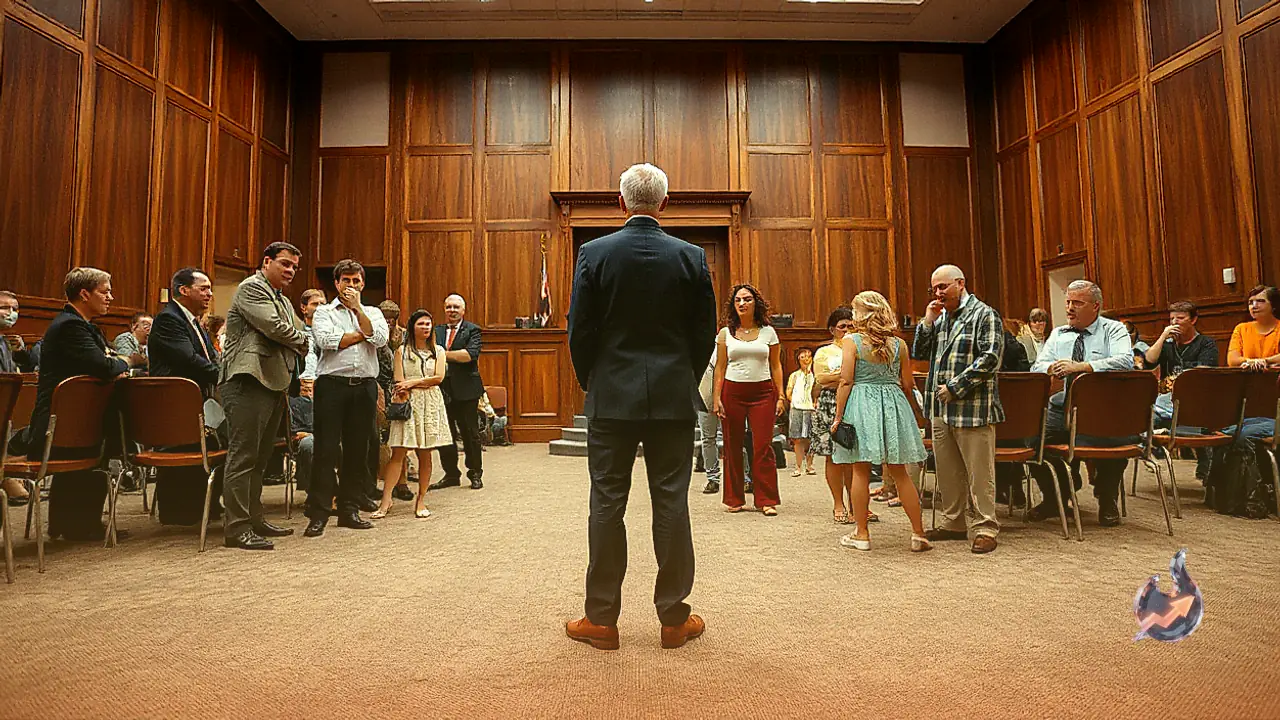















Fiery exchanges broke out in the Supreme Court on Tuesday during the hearing of petitions concerning public demonstrations in Delhi and the disruptions they cause to daily civic life. While senior advocate Mukul Rohatgi was addressing the court on behalf of traders and opposing counsel attempted to interject, Solicitor General Tushar Mehta made a pointed remark that instantly elevated courtroom tensions. Mehta remarked to Rohatgi that he was fortunate his microphone had not been snatched away, an observation that drew immediate objections from several senior advocates present, culminating in senior advocate Menaka Guruswamy reminding the law officer of the decorum demanded by his constitutional post.
The microphone backdrop and escalating courtroom friction
Mehta's comment was an explicit reference to an incident from an earlier hearing in the very same matter. During that session, senior advocate Gopal Sankaranarayanan, who was appearing for the petitioners, had faced a situation where his microphone was reportedly snatched, leading him to withdraw entirely from the case. On Tuesday, when opposing lawyers attempted to respond to Rohatgi's arguments mid-speech, Mehta brought up that episode once again.
Moments later, when another attempt was made to speak from the opposing side, Mehta voiced displeasure, questioning whether he could present his submissions without people shouting from across the room. He then quipped that he was safe because his microphone had been kept at a secure distance where no one could snatch it. Senior advocates Menaka Guruswamy and Arundhati Katju took strong exception to this conduct. Guruswamy told Mehta directly that he occupied a high constitutional position and ought to conduct himself with the dignity expected of that office, sparking an extended round of sharp exchanges among senior members of the bar.
No permanent monopoly over protest sites, observes top court
The proceedings were conducted before a three-judge bench headed by Chief Justice Surya Kant, alongside Justice Joymalya Bagchi and Justice V. Mohana. The petitions arose out of demonstrations staged in Delhi during October against Chief Election Commissioner Gyanesh Kumar. Addressing the broader constitutional questions, the bench made it clear that public demonstration areas cannot be monopolized by any one entity or group on an indefinite basis.
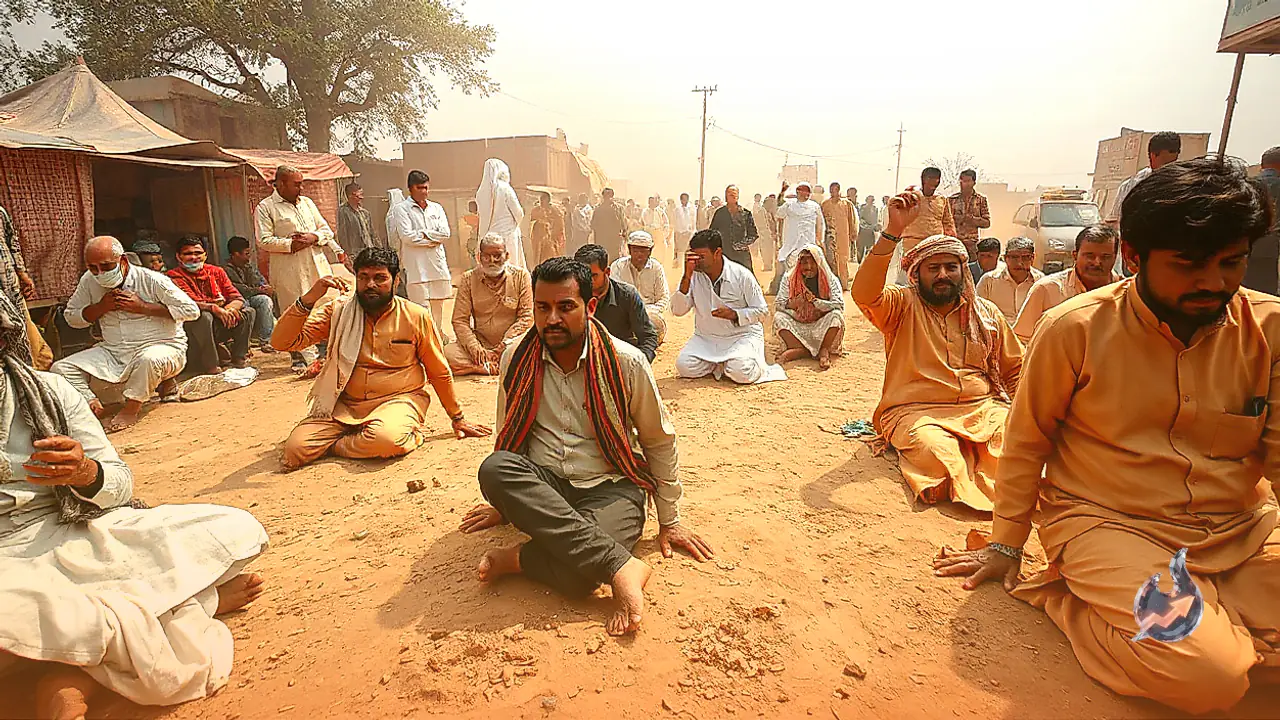
Chief Justice Surya Kant asked where farmers, laborers, trade unions, and homeless people would go to voice their grievances if a single collective occupied a demonstration site indefinitely. The bench acknowledged that every citizen possesses a fundamental constitutional right to stage peaceful opposition, but emphasized that this right does not entitle any group to claim a permanent proprietary grip on an entire venue, effectively excluding other sections of society from exercising their own democratic rights.
Traders claim ₹2000 crore revenue hit amid scrutiny of security barricades
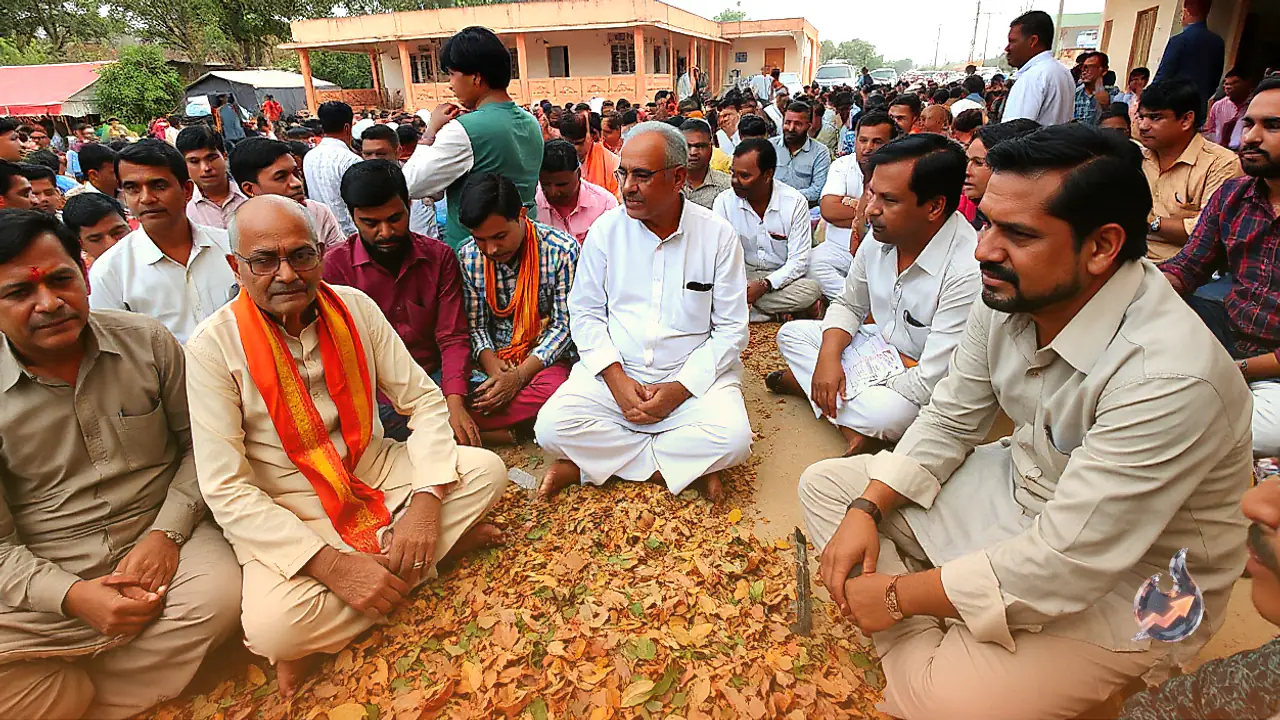
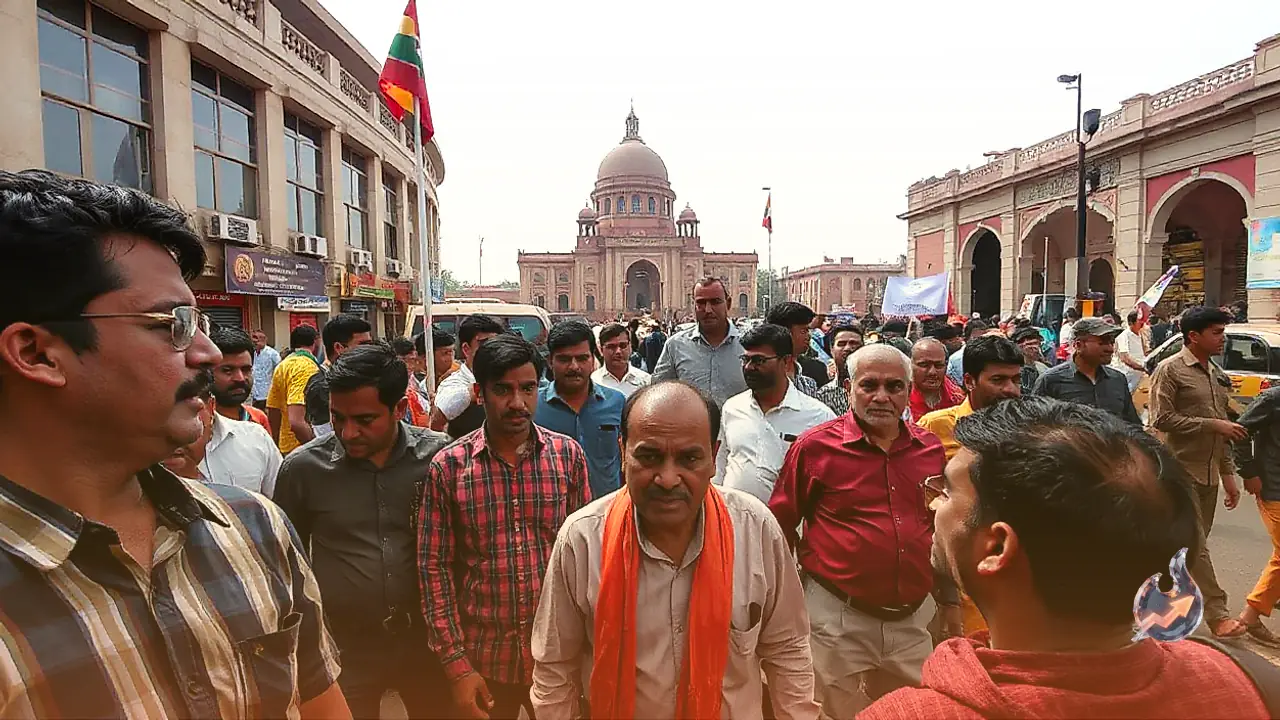
Appearing on behalf of commercial interests, Mukul Rohatgi informed the judges that recurring protest activity in central locations had resulted in an estimated revenue loss of approximately ₹2000 crore. He pointed out that several major wholesale and retail markets surround the Ramlila Maidan area, home to hundreds of thousands of residents and depended upon by a vast community of traders, shopkeepers, and daily-wage laborers for their livelihood.
Rohatgi argued that during peak festive periods, consumer footfall plummeted as protests choked access routes, causing severe financial distress not just to business owners, but also to cargo tempo drivers and manual laborers. Justice Joymalya Bagchi, however, intervened to ask whether slumping business turnover could be pinned entirely on demonstrators. The judge observed that widespread police barricading, road diversions, and administrative restrictions imposed on vehicular movement often play an equally significant role in choking commercial activity.
Unauthorized marches toward Parliament and curbs on civic dissent
Solicitor General Tushar Mehta argued that the right to assemble cannot be stretched to justify mobilizing crowds toward Parliament without statutory permission. Drawing on a recent precedent from July involving demonstrations by the Cockroach Janata Party (CJP), Mehta asserted that although permission had been granted for just a single day, demonstrators continued occupying the public space for 17 consecutive days.
Mehta maintained that Parliament represents the sovereignty of the nation, and unauthorized gatherings outside such critical institutions or the Supreme Court itself cannot be sanctioned under law. On the other hand, senior advocate N Hariharan questioned the narrowing space for legitimate public dissent, asking where citizens are expected to make their voices heard if even designated venues like Ramlila Maidan and Jantar Mantar become subjects of recurring litigation and administrative objections. The hearing also touched upon police surveillance measures and the privacy of citizens taking part in peaceful demonstrations.