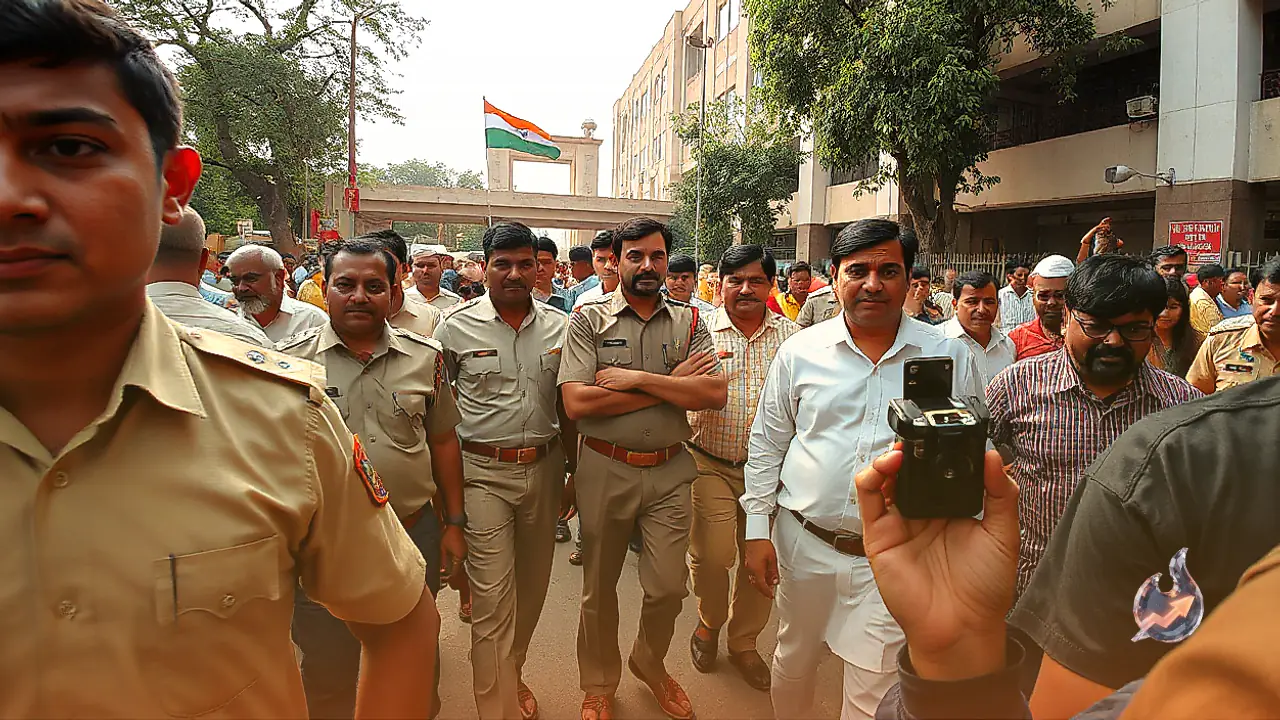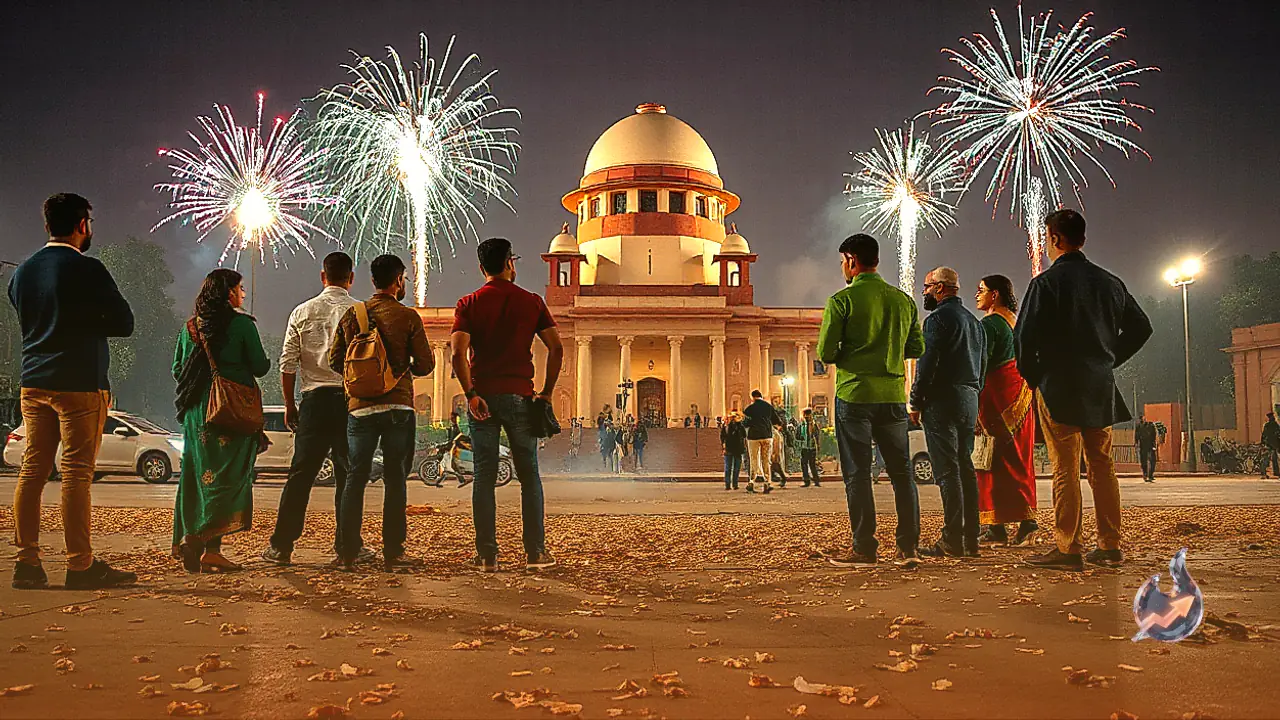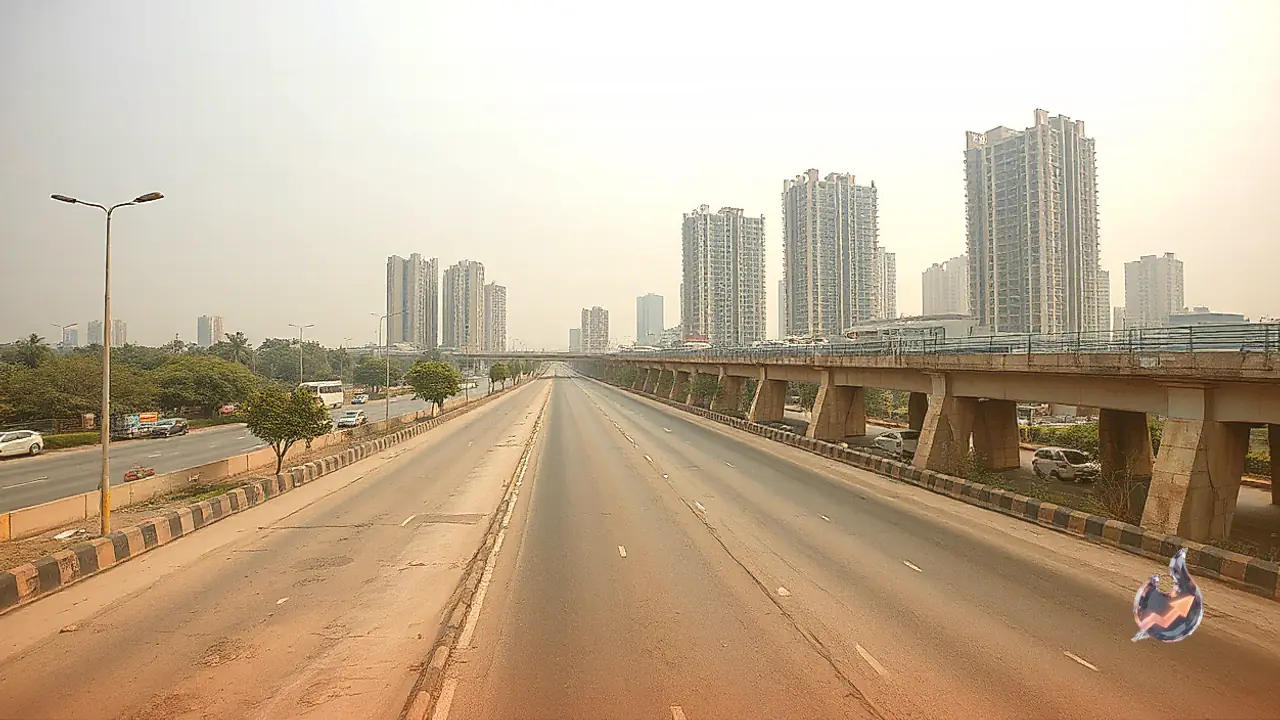

















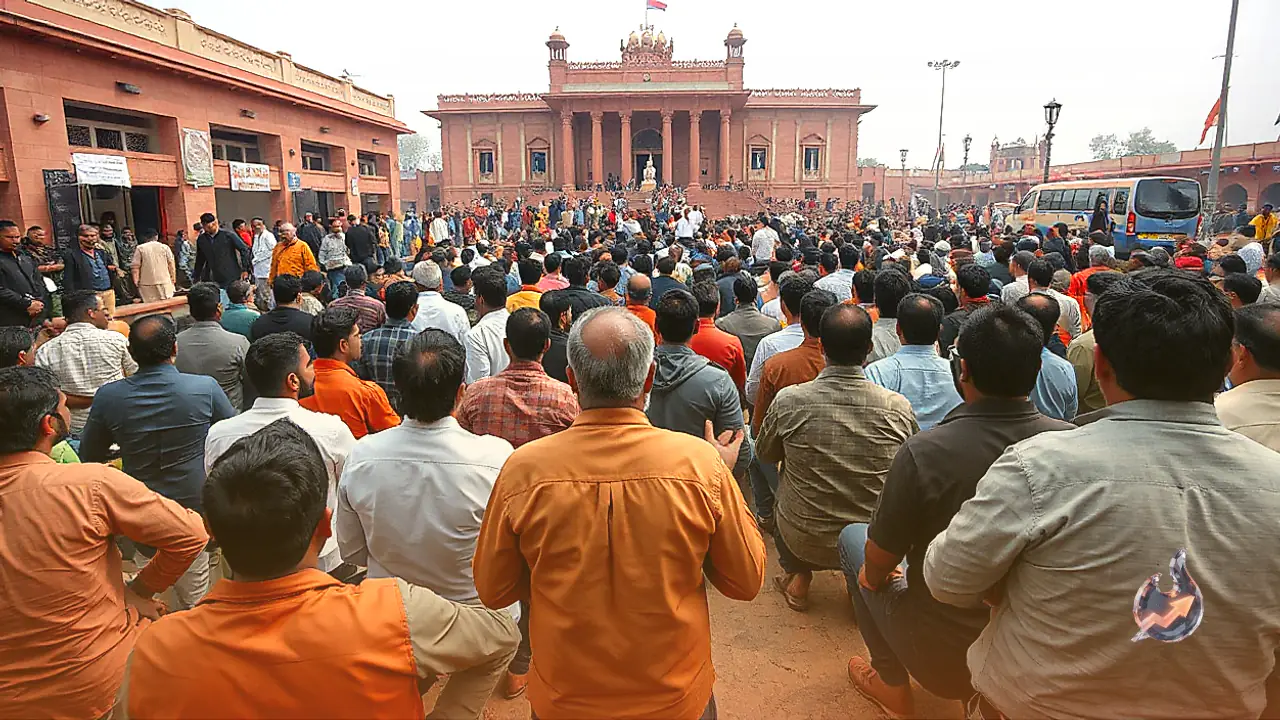

The top court has taken serious note of protracted and indefinite sit-ins at Ramlila Maidan and Jantar Mantar, issuing a formal notice to the central government on a petition brought by Delhi business organisations. While considering the plea, the bench underlined the necessity of establishing a constitutional balance between the fundamental right to peaceful assembly and the equally essential right of citizens to pursue trade and earn a livelihood. The court observed that designated demonstration venues cannot be allowed to turn into spaces of indefinite occupation by any entity.
Traders Take Grievances to the Apex Bench
The petition was filed jointly by commercial bodies representing businesses across the national capital, including the Kirana Committee and the Delhi Iron and Hardware Merchants Association, alongside other trade associations. Senior advocate Mukul Rohatgi, advocate-on-record Jai Anant Dehadrai, and other legal representatives appeared on behalf of the commercial groups. They placed on record their deep concern over prolonged sit-in demonstrations taking place at Ramlila Maidan and Jantar Mantar, both of which are situated in close proximity to major commercial hubs of Delhi, severely choking trade corridors and daily commercial flow.
Balancing Protest Freedoms with Economic Rights
A bench headed by CJI Surya Kant observed that a vital constitutional question emerges regarding the boundaries of competing fundamental rights. The bench noted that while peaceful protest constitutes an indispensable pillar of democracy and constitutional liberties, it cannot be exercised in an unchecked manner that causes a disproportionate and sweeping violation of the constitutional protections granted to other citizens. The bench underscored that the right to conduct business and secure an honest livelihood must be safeguarded with equal seriousness alongside the freedom of assembly.
Fair Access and No Monopoly Over Public Grounds
Addressing the equitable use of public assembly sites, CJI Surya Kant remarked that designated demonstration areas cannot be subjected to perpetual occupation or private monopoly by any single group. The bench indicated that public venues must remain accessible on fair and equitable terms so that different civic and political groups get reasonable opportunities to exercise their democratic right to peaceful dissent. Consequently, the court directed the petitioners to implead the protesting organisations and political stakeholders involved in the proceedings, specifically naming representatives of the INDIA alliance, Rahul Gandhi, and CJP as appropriate parties.
Severe Knock-On Effect on Daily Workers and Supply Chains
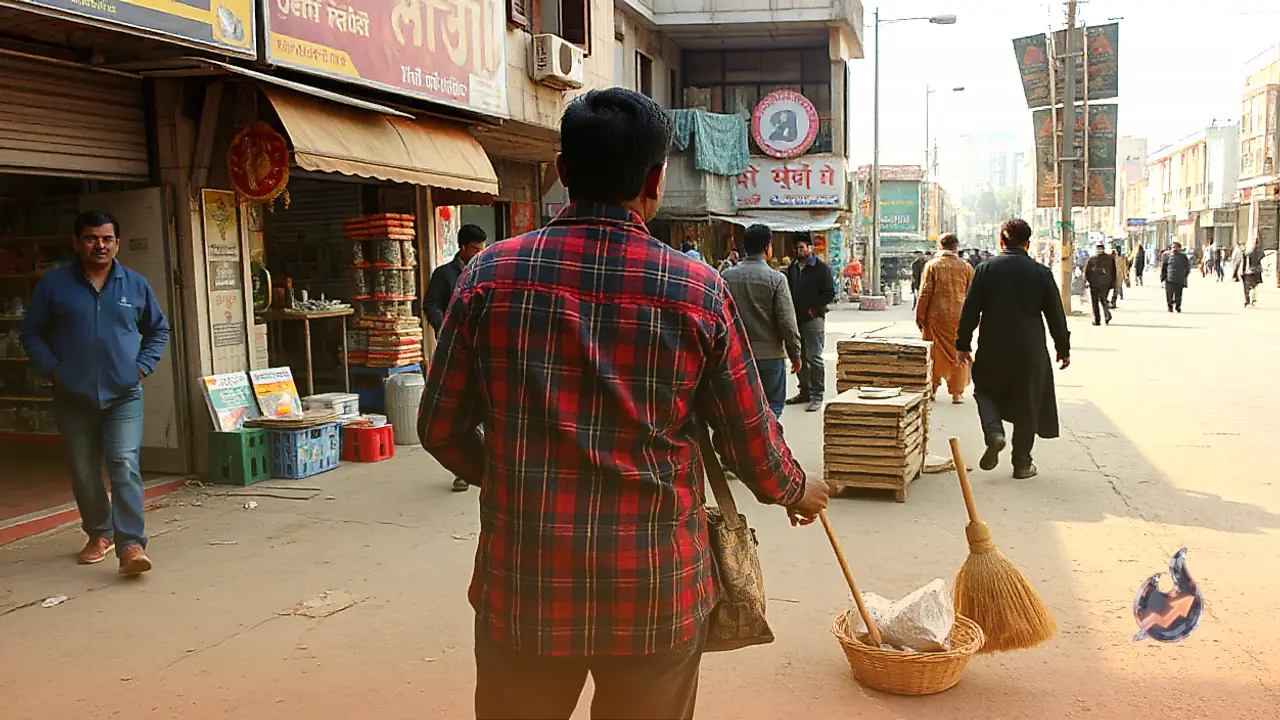
The petitioner associations clarified before the court that their grievance is not directed against democratic protests or peaceful public gatherings in principle. Instead, their objection focuses strictly on protracted and disproportionate blockades staged right beside densely populated trading sectors. Delhi's commercial network serves as the economic backbone for hundreds of thousands of livelihoods, generating vital public revenue. Sustained disruption in these zones cascades well beyond business owners, dealing severe financial blows to street vendors, transport workers, shop assistants, daily-wage earners, and ordinary consumers who depend on unrestricted market operations every day.
Call for a Predictable Regulatory Framework
Through their legal action, the commercial associations have sought the creation of a balanced, predictable, and workable regulatory mechanism. They argued that rules must preserve democratic freedoms while preventing demonstrations from inflicting open-ended commercial paralysis or stripping fellow citizens of their basic economic rights. The issuance of notice to the central government marks an important step toward structured judicial deliberation on this constitutional balance, and the matter will be taken up for further hearing by the supreme court.