























Rising expenditure on chemical pesticides has become a heavy financial burden for agricultural communities each passing year. Despite applying multiple sprays of synthetic formulas, farmers frequently find that sap-sucking insects and leaf-eating pests remain persistent across their fields. Seeking relief from escalating input costs and diminishing chemical effectiveness, agricultural growers in the Rampur region are increasingly turning back to traditional organic practices. Among these indigenous solutions, Dashparni Ark has gained prominence as a highly potent and sustainable eco-friendly pesticide. Prepared using a fermented blend of ten different botanical leaves, fresh indigenous cow dung, and cow urine, this natural concoction allows farmers to manufacture an effective pest control agent right on their farms at a fraction of commercial costs.
The Growing Value of Dashparni Ark as an Organic Solution
The resurgence of natural inputs like Dashparni Ark aligns with a broader shift toward soil conservation and sustainable agriculture. Chemical insecticides not only strain a farmer's operational budget but also destroy beneficial predatory insects that naturally control pest populations in the ecosystem. In contrast, Dashparni Ark acts as a broad-spectrum organic preventive spray that manages a wide array of pests, including caterpillars, sucking insects, and foliage-devouring larvae. By strengthening crop immunity and reducing reliance on synthetic compounds, farmers can lower their input expenses while preserving long-term land productivity.
Essential Ingredients for Preparing Dashparni Ark
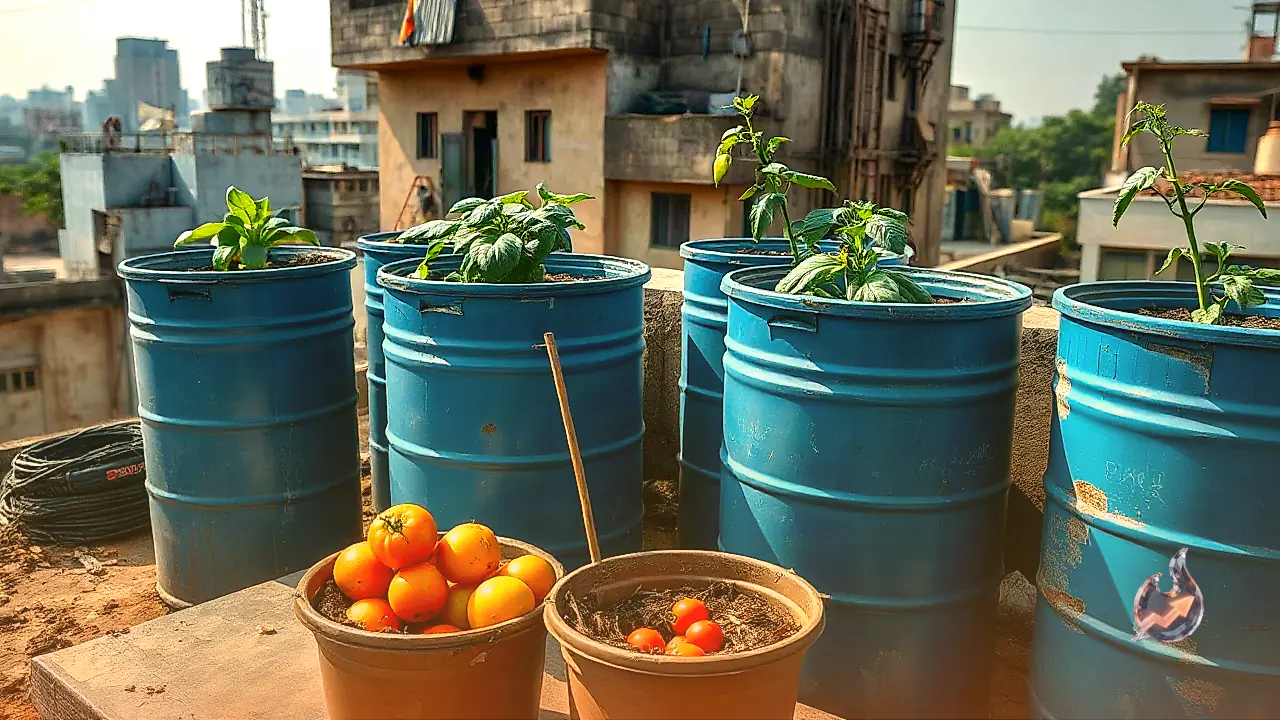
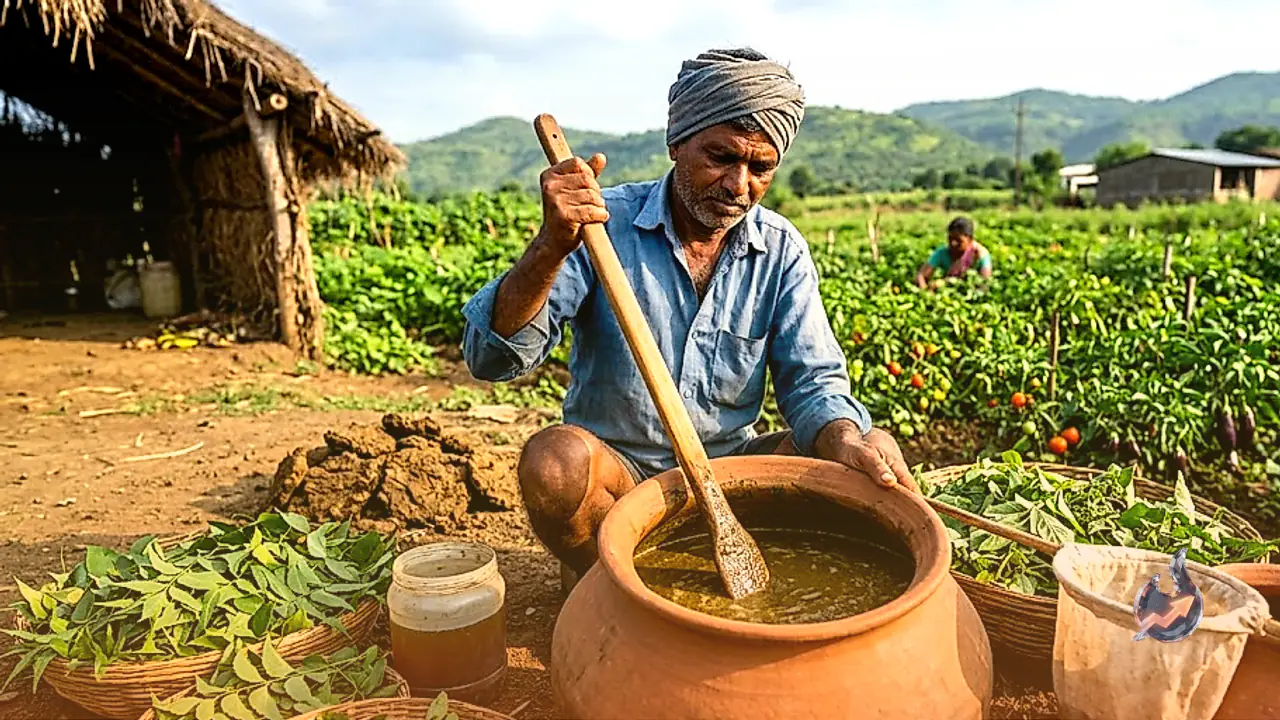
Assembling the required components for Dashparni Ark relies on materials that are readily accessible in rural surroundings. The preparation begins with securing a large plastic drum with a capacity of 200 liters. The drum is filled with 200 liters of clean water, into which 10 liters of cow urine and 2 kilograms of fresh indigenous cow dung are added and thoroughly stirred.
The core botanical component consists of a precise combination of ten plant leaf varieties. Farmers add 5 kilograms of neem leaves into the liquid base. This is supplemented with 2 kilograms each of leaves from eight other trees and plants: custard apple, bael, guava, jujube, papaya, oleander, mango, and native bitter gourd. To enhance the potency against tough pests, half to one kilogram of tobacco leaves and approximately half a kilogram of a finely ground paste made from garlic, green chilies, and spicy chutney are incorporated. The entire mixture is then agitated thoroughly using a long wooden pole.
Step-by-Step Preparation Method and Key Care Instructions
Successful fermentation of Dashparni Ark depends heavily on proper environmental conditions during the curing stage. The container must be kept under a shaded cover where it is completely protected from direct sunlight and falling rainwater, both of which can disrupt microbial activity. To ensure that the botanical extracts blend uniformly into the liquid solution, the mixture must be stirred vigorously with a wooden stick every day or every alternate day.
Over a period of approximately 40 days, the plant matter undergoes thorough decomposition and fermentation. Once the 40-day curing window is complete, the concentrated extract is filtered through a fine cotton cloth into clean, sealable containers. The solid organic residue left behind after straining can be repurposed as rich farm compost.
Recommended Dosage and Application Timing for Crops
Formulated Dashparni Ark is versatile and suitable for application across practically all major crop categories, including cereals, pulses, oilseeds, cash crops, and horticulture. For field application, 5 to 6 liters of the strained extract are mixed into 200 liters of clean water. For a standard one-acre field, a spray volume of 180 to 200 liters of this diluted solution is typically sufficient. However, for dense crop canopies or tall orchard trees, the total volume of water and solution can be proportionately increased.
This organic solution is widely applied to staple crops such as paddy, wheat, maize, sugarcane, mustard, soybean, green gram, black gram, chickpea, and pigeon pea. It is equally effective for vegetable crops like chili, tomato, brinjal, okra, bottle gourd, cucumber, and bitter gourd, as well as commercial flower farming and fruit orchards like mango and guava. For optimal efficacy, spraying should be conducted during cooler hours—either in the morning between 7:00 AM and 10:00 AM, or in the late afternoon between 4:00 PM and 6:00 PM. Applications should be avoided during peak midday heat or when rain is imminent. Regular preventative spraying can be done at intervals of 10 to 15 days, or as soon as early pest activity is observed.
Storage Shelf Life and Agricultural Expert Guidance
When stored correctly, filtered Dashparni Ark retains its pest-repelling properties over several months. If kept in airtight plastic containers or drums in a cool, shaded environment, the liquid remains viable for 3 to 6 months. Farmers should occasionally agitate the storage vessel and take care to prevent external moisture or water from contaminating the solution.
According to Rampur Deputy Director of Agriculture Ram Kishan Singh, the production cost of Dashparni Ark is significantly lower than that of commercial synthetic pesticides available in the market. Utilizing this organic extract helps protect friendly predatory insects in the ecosystem, safeguards soil structure, and reduces farmers' financial dependency on chemical inputs. Singh notes that regular and timely applications significantly minimize pest pressure on standing crops. However, he also advises that if a severe, uncontrollable pest infestation breaks out, farmers should seek expert guidance from agriculture specialists and adopt Integrated Pest Management (IPM) practices.